All Offerings

Narcissus
Named for the gorgeous Boeotian youth who fell in love with his own reflection, Narcissus is a perennial bulb in the amaryllis and daffodil family. The flower blooms in late winter and early spring, reminding us of its connection to youthfulness and the awakening of desire after the numbness of winter. Although all parts of the flower are toxic to ingest, the Narcissus can be used in ceremony to awaken desire and bring awareness to our capacity for self-love.


Rough Bindweed
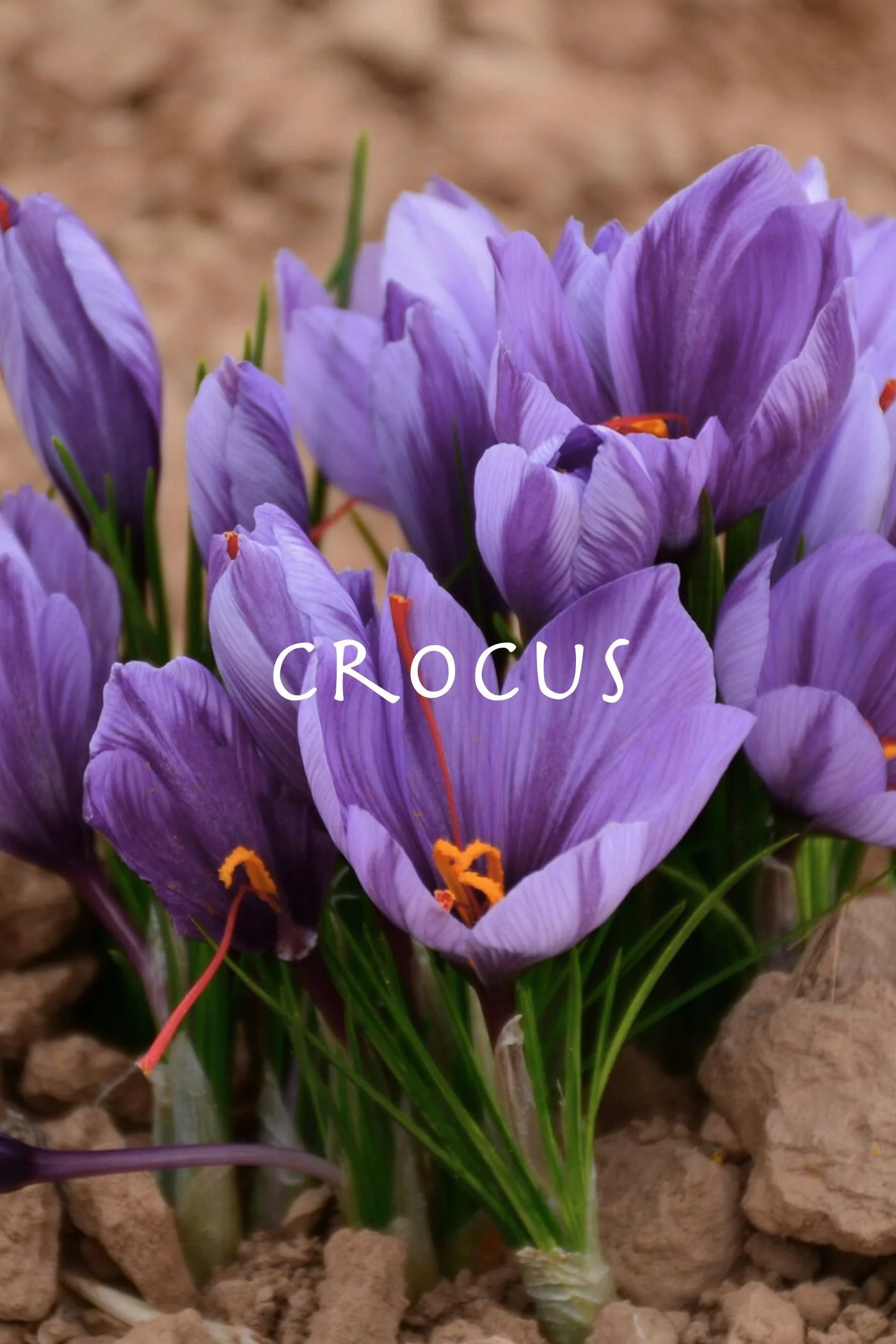
The Rough Bindweed (also known as Smilax) is a perennial evergreen vine sacred to Dionysos with spines on the stem and bright red berries growing in grape-like clusters. The myth of the problematic love between Smilax and Crocus serves to remind us of the wisdom of not trying to force incompatible bonding. Invite Rough Bindweed into your ceremonies to reestablish boundaries, especially after ecstatic union and joyful communion.

Ivy
The Ivy is a hardy, evergreen, perennial vine with dark green leaves, greenish-yellow flowers in autumn, and purple-black berries in winter. Sacred to the god Dionysos, the Ivy features in nearly all iconography of the god and his retinue. Worn as crowns, wrapped around the thyrsus, and possibly even consumed by the Maenads in celebration of the Dionysiac Mysteries, the Ivy teaches ecstatic release and abandon. In the hands of the Maenads, the Ivy encourages the abandonment of social convention, the leaving behind of “sane” behavior, and the expansion of what we would consider reality.

Grapevine
Like most vines, the Grape is sacred to Dionysos who, among many things, is the god of revelry and credited with bringing wine cultivation to the Greeks. Joyful in its essence, the Grape is a vine of merriment, celebration, and communion. The Grape is also a teacher of fertility, lack of inhibition, and the divine union that results from the dissolving of boundaries.

Poplar
The Poplar is a fast-growing, deciduous tree in the Willow family found near freshwater rivers and streams. Sacred to Hades, as well as to Herakles and his father, Zeus, in relation to the hero’s success in an Underworld trial, the Poplar is said to grow at the entrance to the Realm of the Dead. Not only tied to death, the Poplar is also connected to many stories of metamorphosis and freshwater, particularly the nymph Leuke and the grieving Heliades. With ghostly bark — whether white or black or both — this liminal tree indicates the location of life-giving waters, while also appearing burnt or parched. Able to survive both flood and drought, the Poplar reminds us to seek the Source: to reach deep to the flow of groundwater that nourishes the root of being.

Cypress
The Cypress is an evergreen conifer tree with dense, scale-like leaves and ovoid cones. Native to the eastern Mediterranean, the Cypress is associated primarily with the gods Apollo, Artemis, and Hades. However, the most well-known myth of the Cypress is that of Kyparrisos, the youth who accidentally killed his favorite stag and, desiring to mourn forever, transformed into a Cypress tree. The tree is thus associated with grief and lamentation, and often found near burial grounds or entrances to the Underworld. As a sacred emblem of holding vigil, invite the Cypress into your ceremonies for grief, mourning, and lamenting that which has died

Oak
The Oak is a polymorphic evergreen or deciduous tree that produces acorns; four main species are found growing throughout Greece. Associated with Zeus, god of the sky and just rulership, the Oak is a steadfast ally in our search for wisdom and strength of conviction. One of the most important sites of the sacred Oak is the Oracle of Dodona, where pilgrims sought its wise counsel. The Oak is a formidable elder and can be called upon when we are unsure of — or are doubting — our values.

Giant Fennel
The Giant Fennel is a drought-tolerant herbaeous perennial growing as tall as 4.5 meters (15 feet). As a plant sacred to the ancient Greek Fire gods — Prometheus and Hephaestus — the Giant Fennel is a vessel of Fire, culture, and craft. When used by Dionysos and his retinue in the form of the sacred thyrsus, the Giant Fennel also becomes a rod or sacred axis for channeling divine revelation.
Pine
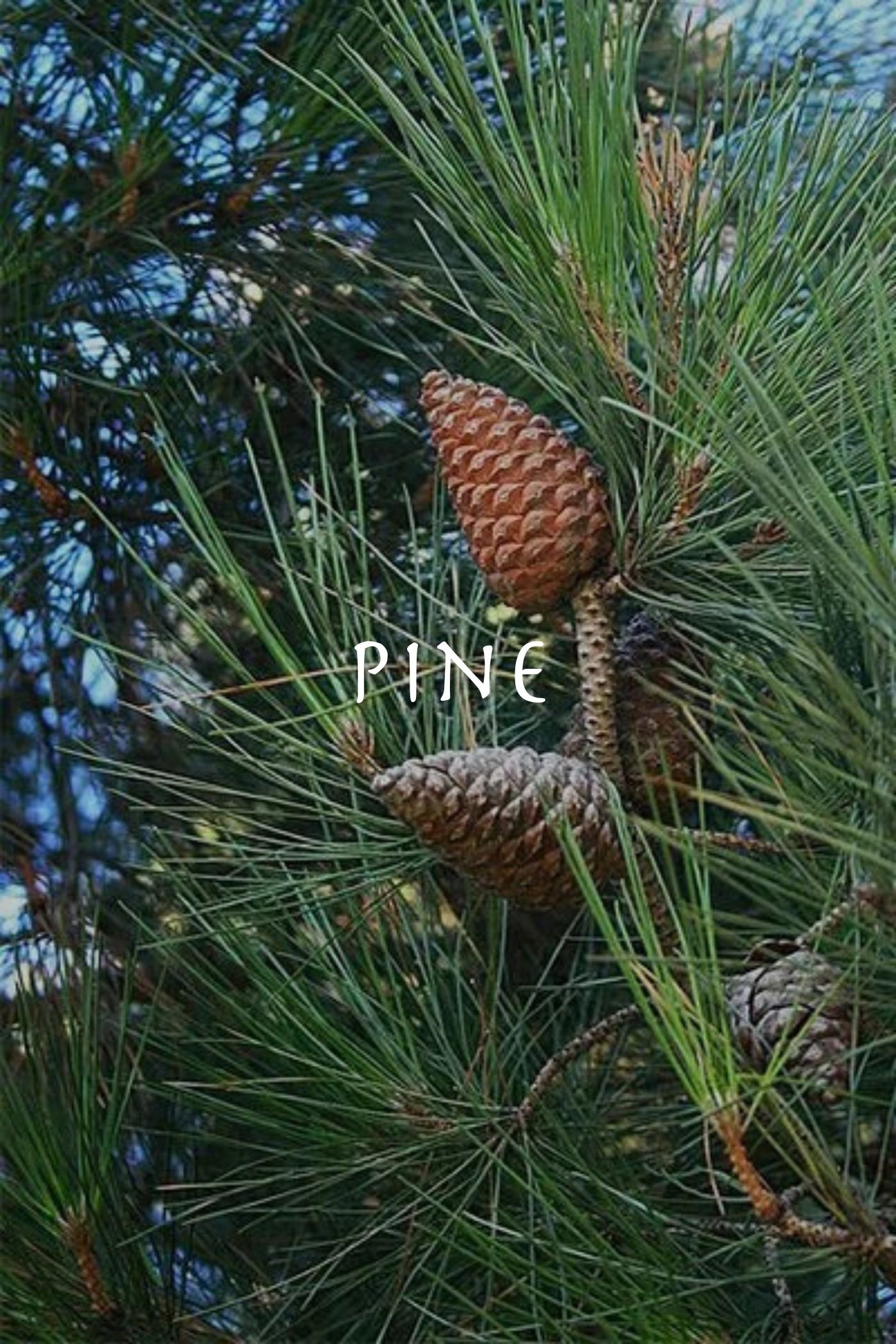
The Pine is a resinous, coniferous evergreen found blanketing the mountainsides and dotting the coastal regions of the Mediterranean. Protected by the oreiades, the Pine is also sacred to the god Dionysos and is used to decorate the sacred thyrsus. A potent teacher of strength in the face of life’s challenges, Pine can be incorporated into daily ceremonies to strengthen resilience and bring protection.

Olive
Despite over 5,000 years under human cultivation, the Olea europaea remains wild-looking and ancient, with some trees surpassing 1,000 or 2,000 years of age. Surviving fires, drought, and even a complete cutting back to the stump, the olive tree will just not give up. This is a formidable, primordial, and powerful tree, a teacher of perspective, and a reminder of the ancestral gifts of awe, gratitude and humility. Associated with the goddess Athena as well as Zeus and the patron of human culture, Aristaeus, the Olive was a sacred symbol of divine blessing and wisdom.

Pomegranate
The Pomegranate is a spiny, deciduous shrub or tree with red-orange tubular flowers that transform into large red fruits containing a multitude of seeds. A sacred symbol of fertility, mortality, and the Underworld, the fruit has been associated with many Greek goddesses, including Persephone and Hera.

Asphodel
The Asphodel is a hardy, herbaceous perennial with star-like white or yellow flowers growing on a single or branching tall spike. As an herb associated with Persephone and Hekate, it is easy to imagine Asphodels as torches, illuminating the way to and from the Underworld with their glow. Existing as they do on the borders and aligned with the dark and unseen realms, the Asphodel is a powerful ally for traversing unknown territories and navigating contradiction.