Evergreen Trees of Greek Mythology
I’ll admit that during most of my years living in the USA, evergreens were just “the trees with needles;” they blended together into a mass of dark green in the winter months — a comforting backdrop for the snow-covered landscape of my childhood. It wasn’t until I really started paying attention to plants that they began taking on individual character. But to this day, I still have a hard time distinguishing between all the evergreen species of the Mediterranean — especially those that form cones — so I thought I’d make us a short guide.
We’ll start by looking at the difference between the most common evergreen conifers of the mythic Greek landscape: the Pine, Spruce, Fir, and Cypress. Then we’ll look at a few other evergreens that you might come across in the Mediterranean (like the Juniper, Strawberry Tree, Yew, and more). And of course, along the way, we’ll touch on the myths, gods, and goddesses that are sacred to each of them.
But first, what exactly is an “evergreen”? And how are they related to the cone-bearing trees that so many of us associate with winter holidays?
Evergreens are shrubs and trees that retain their foliage year-round. As they lose leaves, new ones are continuing to grow, meaning the plant is never completely bare and is therefore “ever green.” Examples include the Pine, Rosemary, and Olive.
Conifers are a type of tree or shrub that are usually evergreen. They typically have needles or scale-like leaves and they are gymnosperms, which means they don’t produce flowers or fruits. Instead, they form cones (like the Pine and Fir) or berry-looking forms (like the Yew and Juniper).
But not all evergreens are conifers; some evergreens are angiosperms, meaning they produce flowers and fruit. The Olive, Rosemary, and Myrtle are examples of flowering evergreens in the Mediterranean.
The Common Mediterranean Conifers
Pine, Spruce, Fir, Cypress

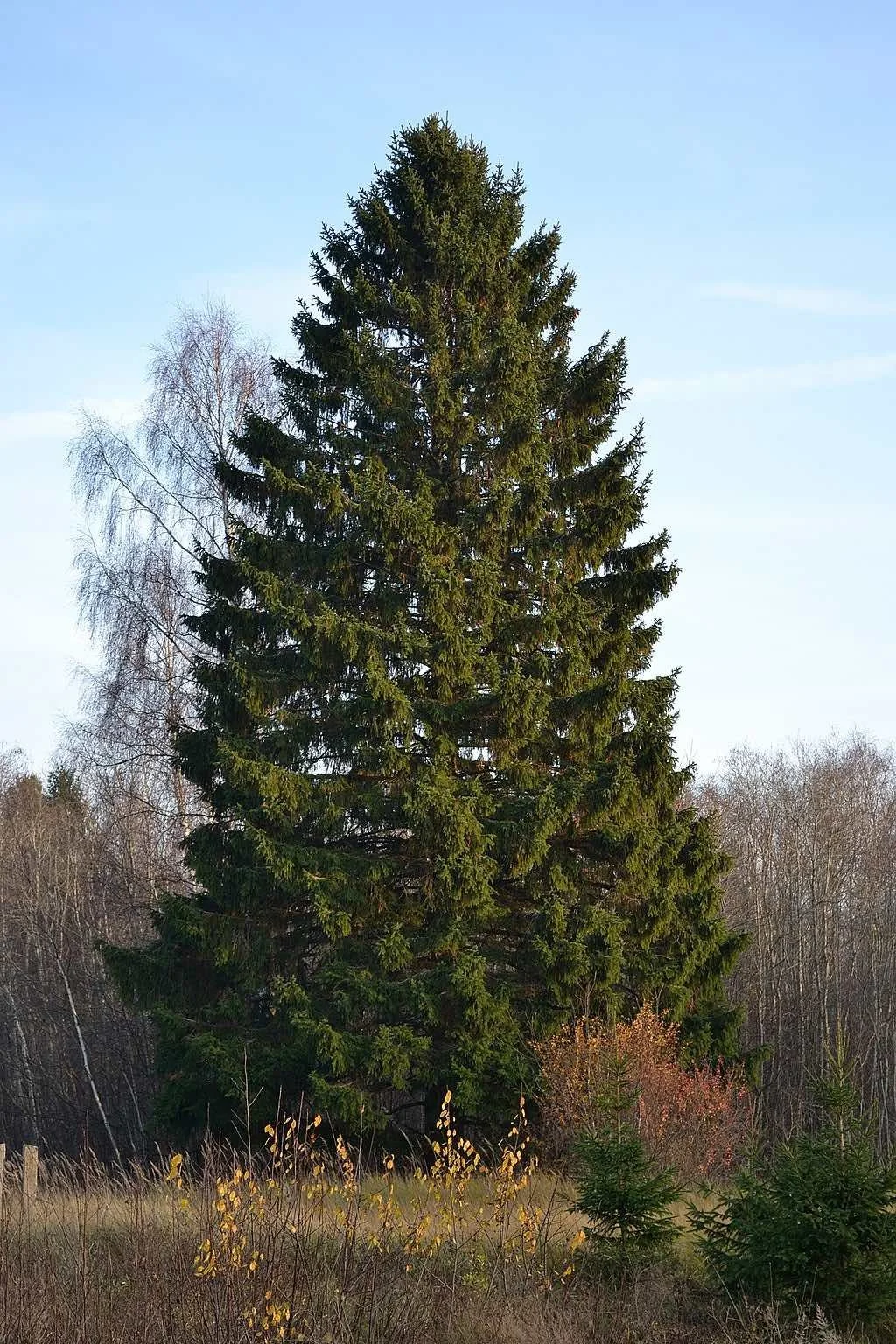

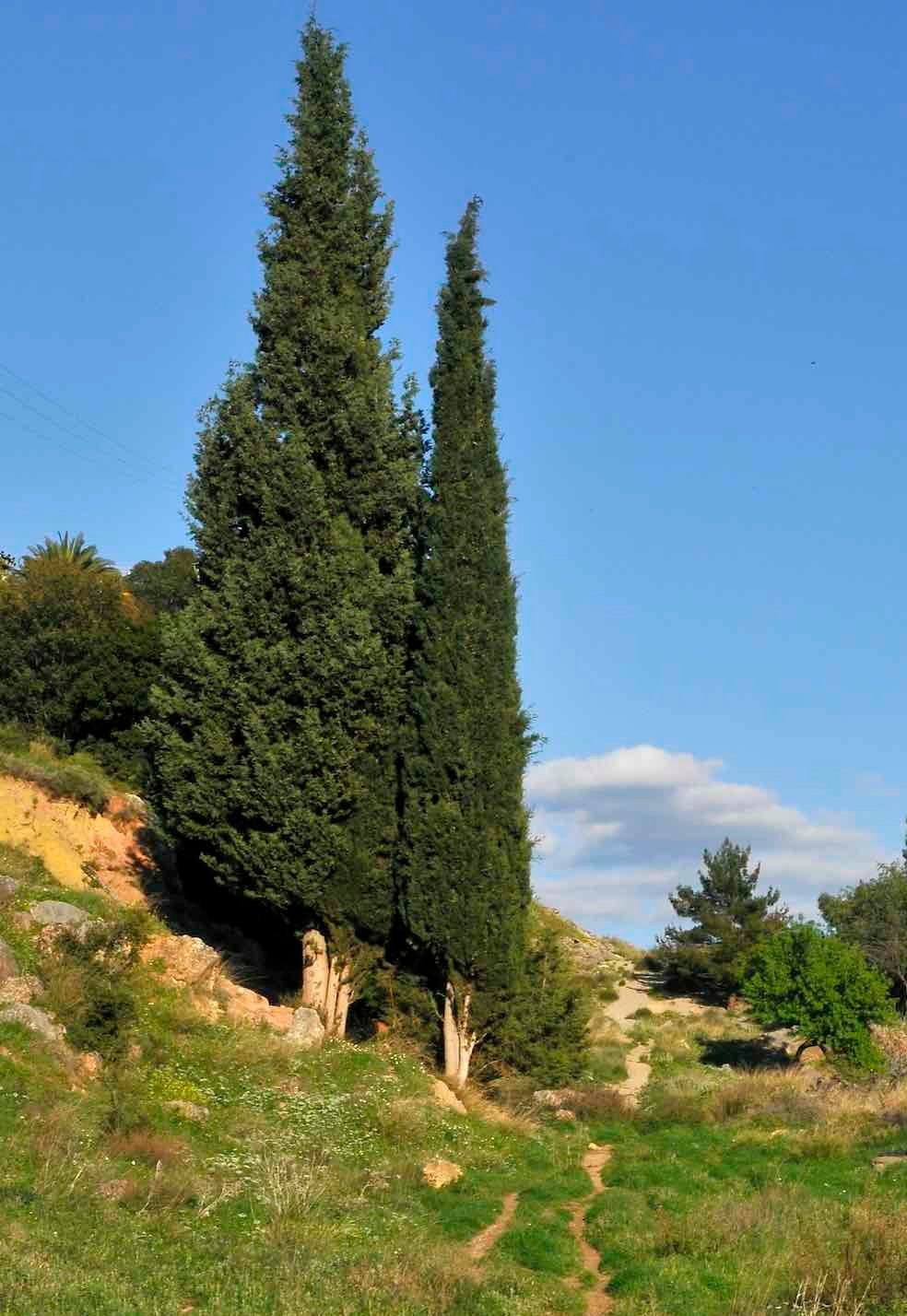
The first three — Pine, Fir, and Spruce — all belong to the same family of evergreen conifer trees (Pinaceae), but they are different types of trees entirely. Sometimes it is difficult for me to identify the evergreens when standing far away; I find it easiest to tell them apart based on their needles.
Pine trees are of the genus Pinus and have soft needles growing in clusters of 2, 3 or 5 from a papery sheath. The five main Pine species in Greece are Pinus halepensis (Aleppo Pine), P. pinea (Umbrella or Stone Pine), P. brutia (Rock or Turkish Pine), P. nigra (Black Pine), and P. heldreichii (Heldreich’s or Bosnian Pine). Learn more about the Pine here.
Spruce trees are of the genus Picea and have squarish, short, and sharp needles growing from a single, woody peg. The main Spruce species found in Greece is Picea abies (European Spruce) found in the far north of Greece.
Fir trees are of the genus Abies and have soft, flat, and generally blunt needles growing from a single, suction-cup-like point. The main Fir species found in Greece are Abies cephalonica (Greek or Kefalonian fir) and A. alba (White Fir).
In contrast, the Cypress is an evergreen conifer of the genus Cupressus (family Cupressaceae).
Cypress trees have scale-like leaves arranged in dense sprays and produce ovoid cones. The species most common to the Greek landscape is Cupressus sempervirens (Mediterranean Cypress) which is easily identified from afar by its iconic, pencil-like shape. Learn more about the Cypress here.


Conifers in Greek Mythology
The oreiades are a type of Dryad nymphs inhabiting conifer trees; they are responsible for growing, nurturing, and guarding the Pine, Fir, Spruce, and Cypress. And all conifer trees are sacred to the god Pan, who wanders mountain groves with his music-making pipe. (Learn more about connecting with the Dryad nymphs here).
Used since antiquity for everything from medicine to perfume to culinary dishes, the Pine especially has a long history in ship building, linking the tree to the sea god Poseidon. Also sacred to the god Dionysos, the Pine is a potent teacher of strength, resilience, and protection. (Learn more about the Pine in Greek mythology here.)
The Cypress is sacred to the gods Apollo, Artemis, and Hades. However, the most well-known myth of the Cypress is that of Kyparrisos, the youth who accidentally killed his favorite stag and, desiring to mourn forever, transformed into a Cypress tree. This evergreen tree is thus associated with grief and lamentation, with entrances to the Underworld, and with funerary rituals. (Learn more about the Cypress in Greek mythology here.)
Other Evergreen Trees in Greek Mythology
Aside from the Pine, Fir, Spruce, and Cypress, there are many other evergreen trees and shrubs in Greece. Here are a few others you may encounter on your hikes through the Mediterranean.
Juniper
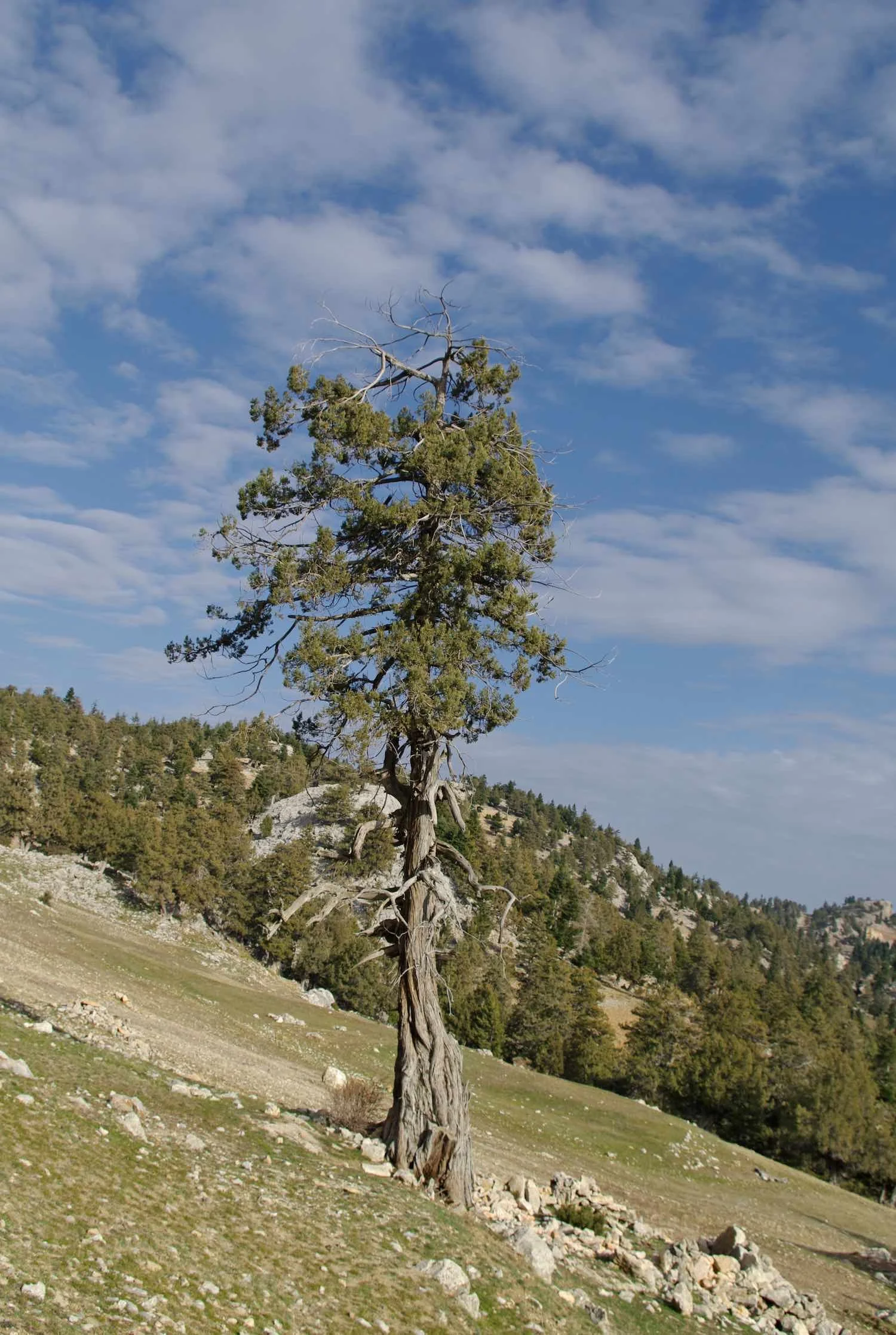

Belonging to the Cypress family (Cupressaceae), Junipers (sometimes called Cedar or Prickly Cedar) are evergreen conifers varying in size from tall trees to small shrubs. Two of the many Juniper species found in Greece are Juniperus excelsa and J. oxycedrus. They are often confused with other conifers like the Pine, but they produce either blue or red-orange berry-like seeds. According to Pausanius, a wooden image of the goddess Artemis was set inside a large Juniper tree outside the city of Orchomenus in Arcadia where she was honored as Κεδρεᾶτιν (Lady of the Prickly Cedar).
Strawberry Tree
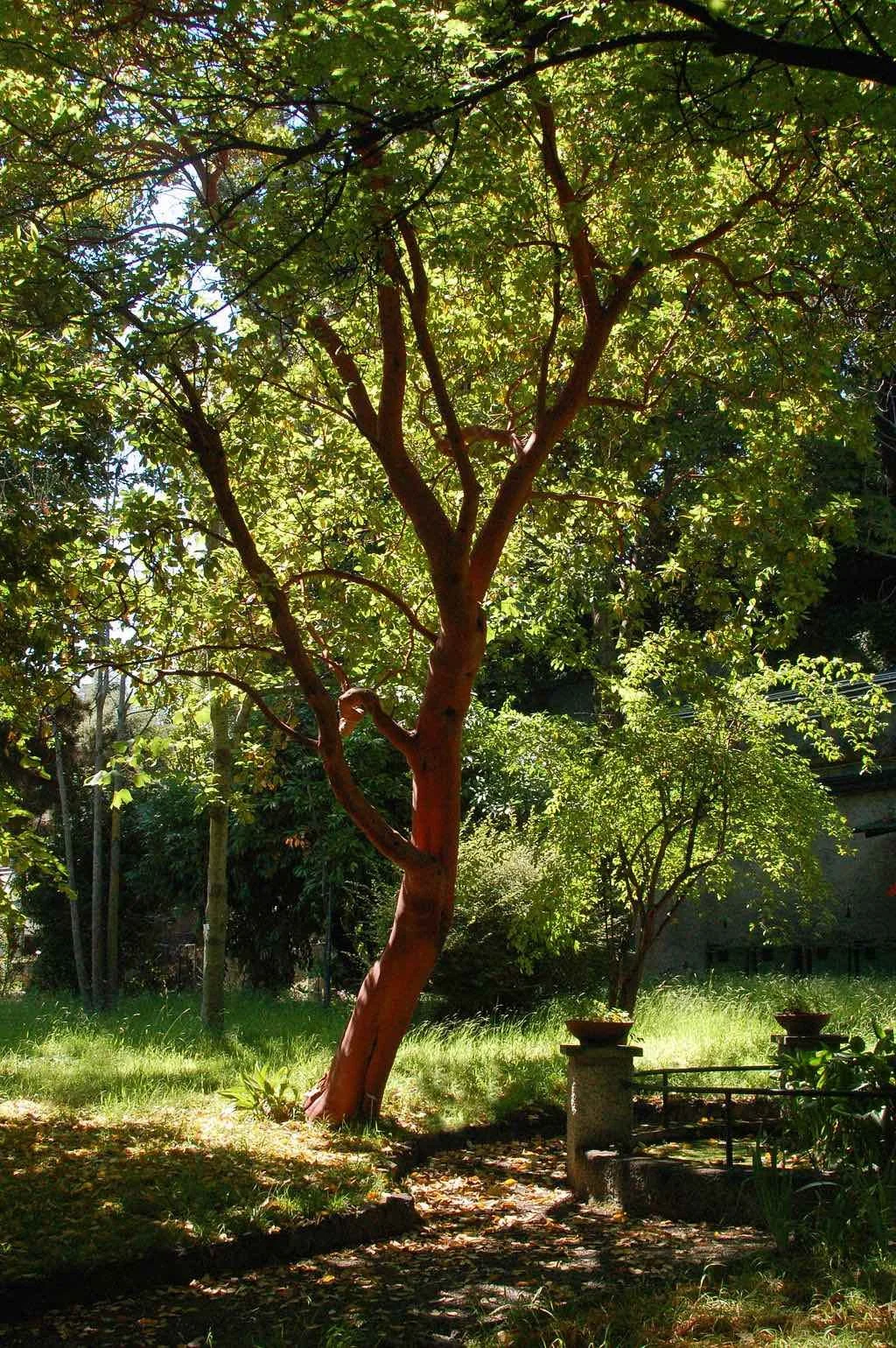

The evergreen Greek Strawberry Tree (Arbutus unedo and A. andrachne) is easily identified by its smooth, red-orange bark and unique berries. According to Pausanius, the tree was sacred to the god Hermes, beneath which he was nourished after birth.
Yew


The Yew (Taxus baccata) is not as common a tree in Greece as some others, but is often found in Fir forests and ravines. The Yew is a long-lived, evergreen conifer with red, berry-like structures (arils). All parts of the tree are poisonous. In Greek mythology, the Yew was most often associated with the Erinyes (the Furies), though today some also associate it with the goddess Hekate.
Myrtle
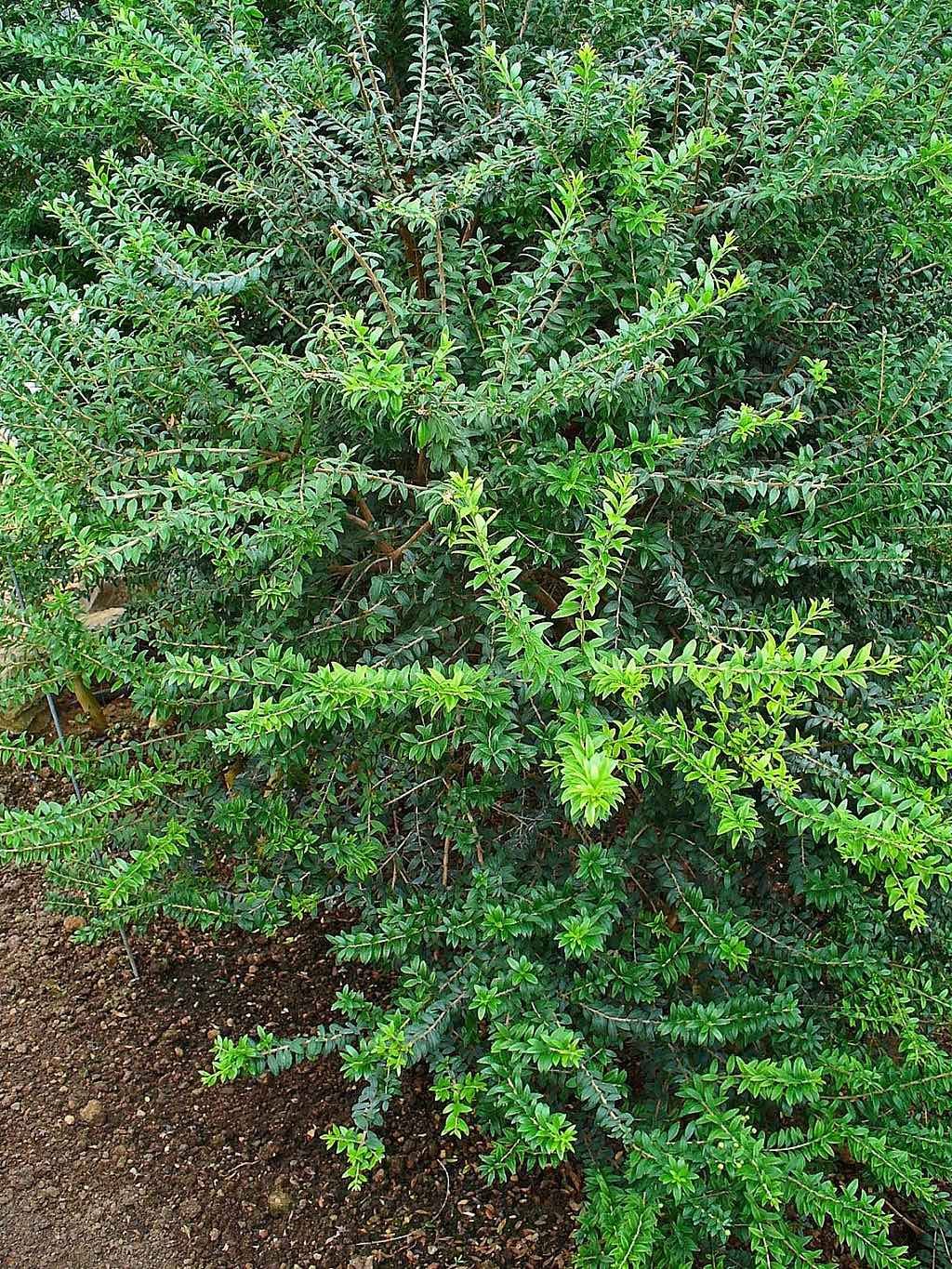

The Myrtle (Myrtus communis) is an evergreen shrub or small tree bearing white flowers, edible blue-black berries, and aromatic leaves. Sacred to the goddess Aphrodite, it can be woven into garlands and used to scent waters for bathing and blessing.
Oak
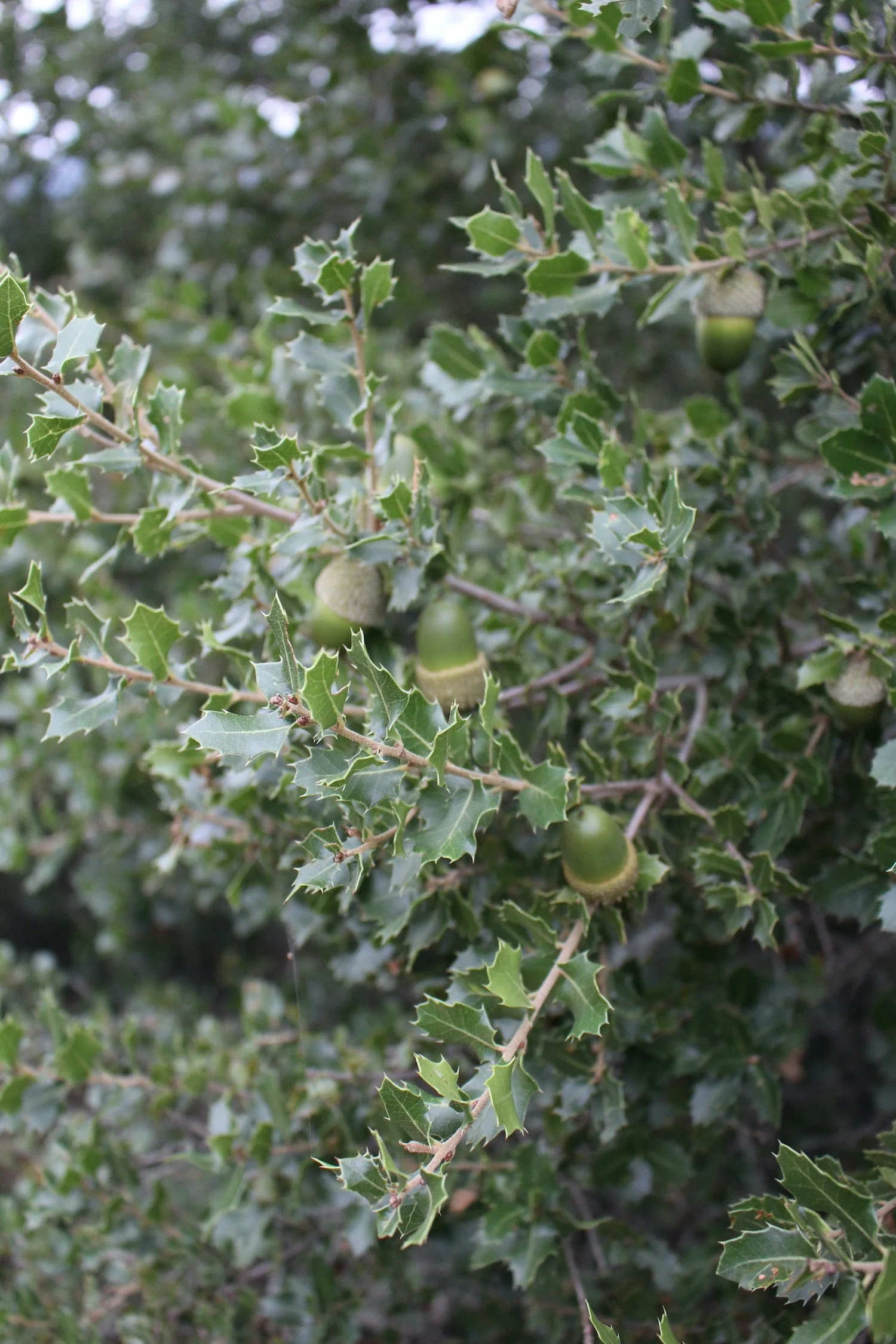

There are two evergreen Oaks in Greece, including Quercus coccifera (Kermes Oak) and Q. ilex (Holm or Holly Oak). Associated with Zeus, god of the sky and just rulership, the sacred Oak trees of Dodona provided oracular wisdom to the pilgrims who sought their counsel. The Oak is a steadfast ally in our search for wisdom and strength of conviction. Learn more about the Oak in Greek mythology here.
Bay Laurel
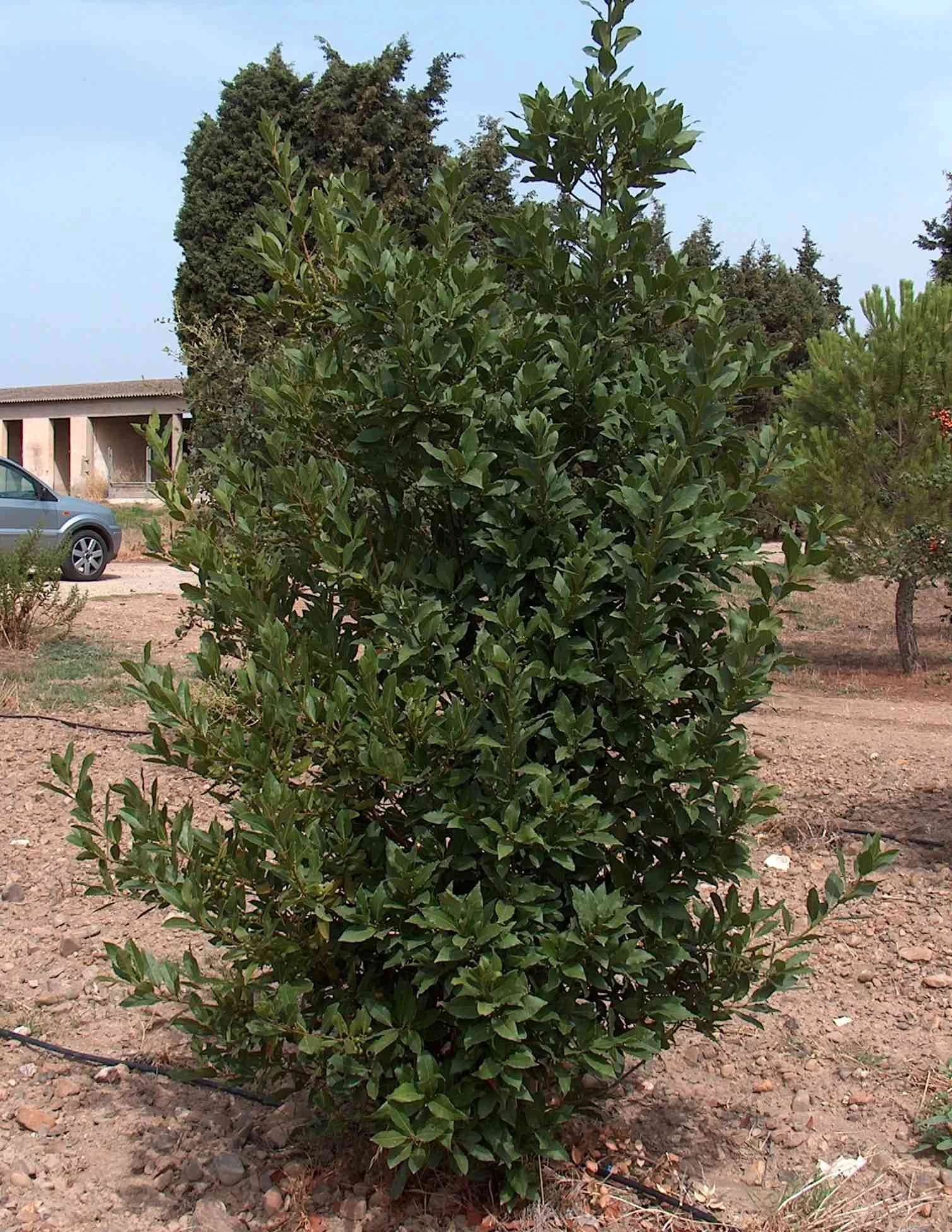

Bay Laurel (Laurus nobilis) is an evergreen shrub or tree with dark green and smooth leaves, white-with-yellow flowers, and purple-black berries. As an important tree for prophecy and divination, the Bay Laurel has a special relationship with the Pythia (Oracle of Delphi) and the Greek god Apollo. Learn more about the Bay in Greek mythology here.
Olive
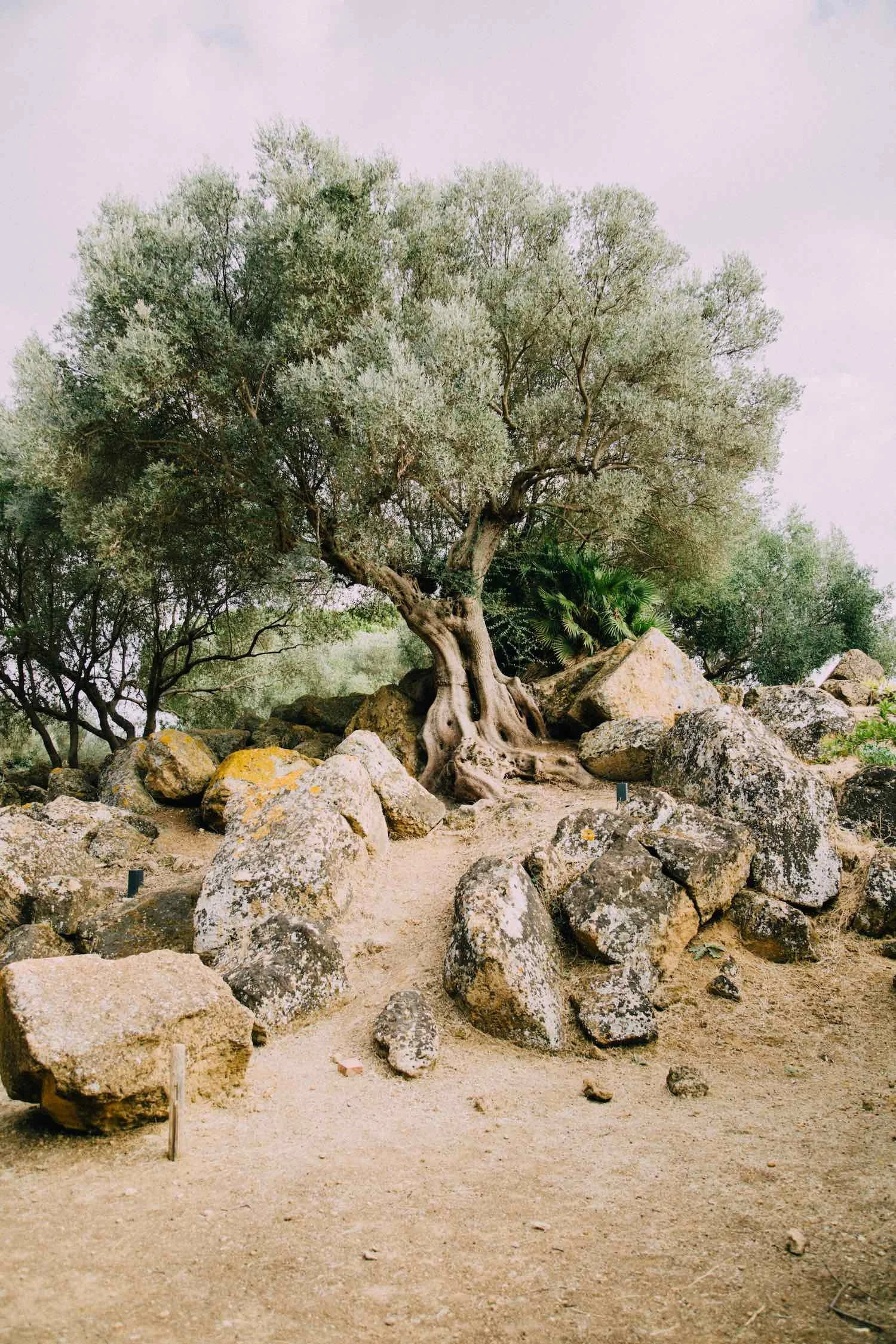

One of the most iconic trees of the Greek landscape is the evergreen Olive. Despite over 5,000 years under human cultivation, the Olea europaea remains wild-looking and ancient, with some trees surpassing 1,000 or 2,000 years of age. Associated with Athena, Zeus, and Aristaeus, the Olive is a sacred symbol of divine blessing and wisdom. Learn more about the Olive in Greek mythology here.
There are so many more evergreen trees and shrubs worth mentioning (such as Mock Privet, Rosemary, Sage, Heather, Rock Rose, Spurge, the list goes on), but I’ve tried to limit this list to the larger shrubs and trees of the forest. If you’ve enjoyed this list, be sure to join the Vine Parchments so you’re notified when new essays and guides like this are published.