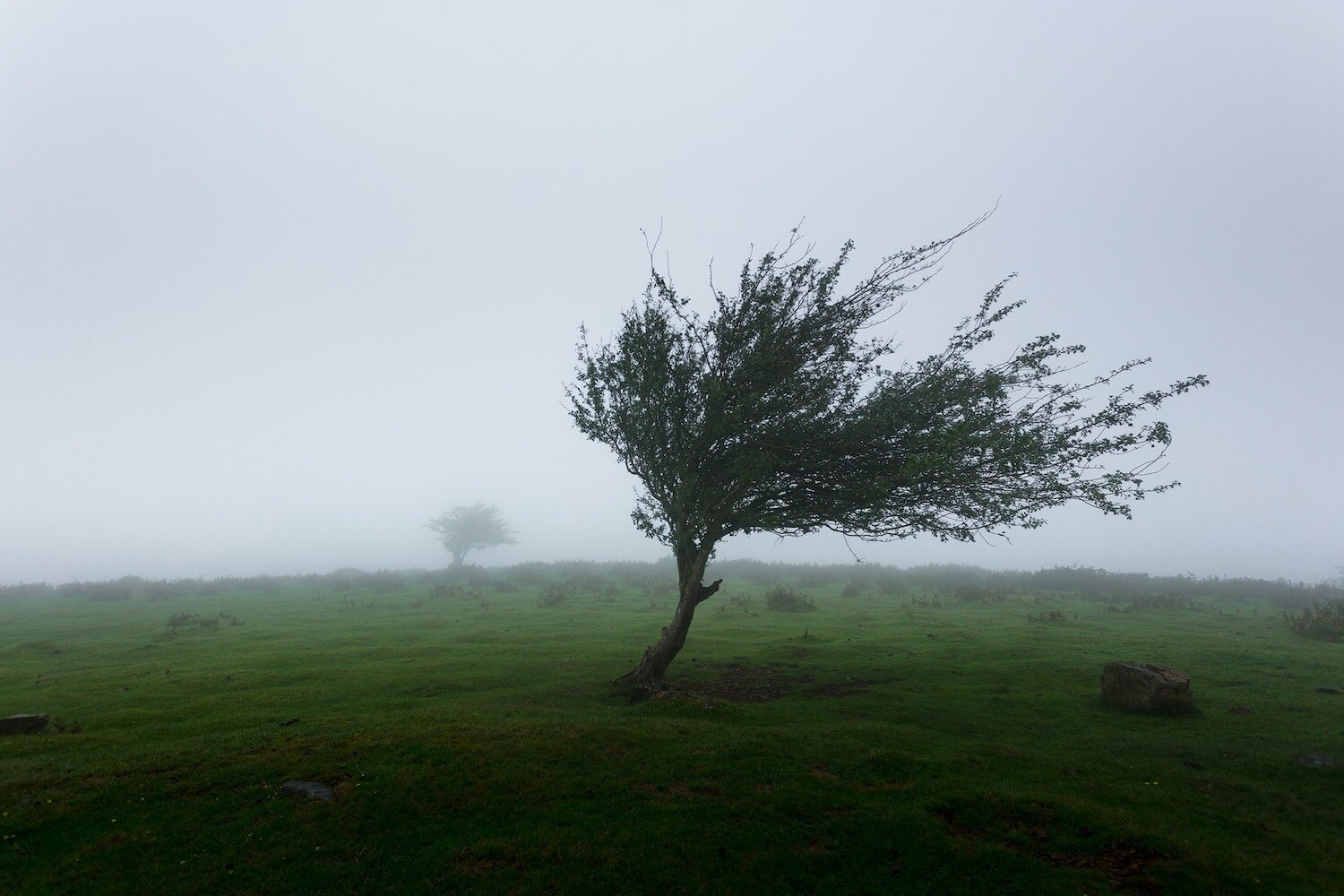
The Dryads Are Calling to You.
The Dryads: Nymphs of the Trees
The Dryads are nymphs who nurture, protect, and embody the essence of trees. Although the term dryad has come to mean any tree nymph, it is also specifically used for nymphs of the oak tree, while other names can be used to address other trees. For example, the oreiad is a coniferous tree, daphnis is the bay laurel, ptelea is the elm, syke is the fig, and many more.
Though the Dryads are the most diverse in personality — with each tree species having its own traits and each individual tree having its own character — the Dryads as a whole know what it means to belong to a specific place and time. Being rooted in place and immobile, they are generally very steady, deeply committed to their convictions and to the location they call home.
If the Dryads are calling to you, it may be time to explore the meaning of Home in your life. The Dryad’s grounded character means they have many lessons to teach you about adaptation and belonging. Keep reading below to discover how you can deepen your communion with the Dryads and invite them into your daily practices and ceremonies.
Keywords: Grounding. Belonging. Adaptation. Home.

Where to Seek the Dryads
Dryads are tree nymphs who dwell within and protect trees, so you will find them anywhere a tree can be found: mountains and valleys, gardens and orchards, city streets and public gardens. Solitary trees will surely have their own nymph, but a forest or grove of trees may also have a single protector who watches over the entire colony. Seek the Dryads anywhere a tree has taken root.
How to Connect with the Dryads
Spend time in a wild grove or forest. Wander among the trees and observe their shape, size, sound, and movement. Notice the woodland as a whole: though the forest is made up of individual trees, can you sense a unifying essence to the colony?
Spend time with a single tree. If it is safe to do so, touch its bark, stroke its leaves, smell its blossoms. Use all your senses to observe and commune with the tree.
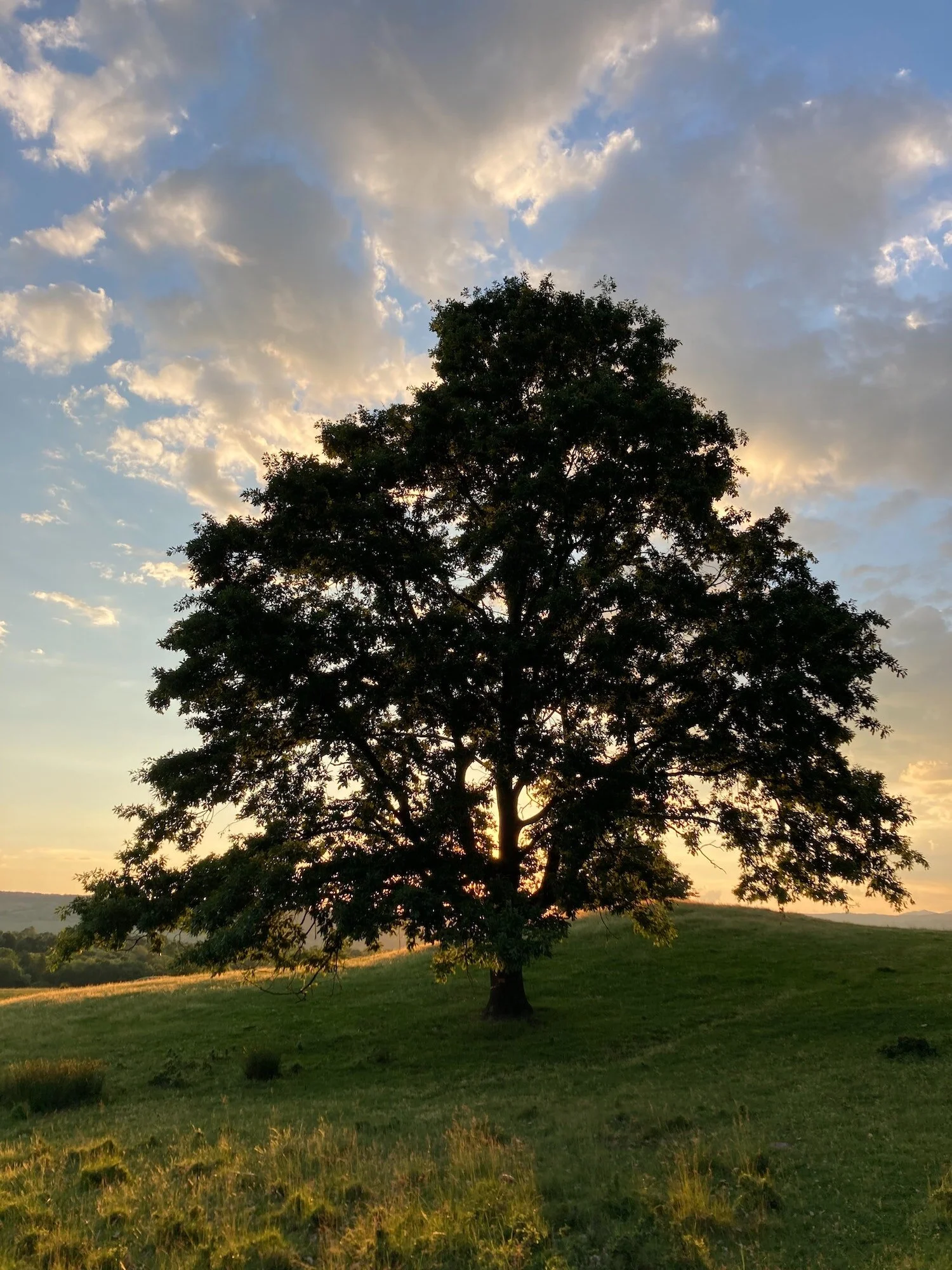
If you feel called to a particular tree — whether an individual in your area or a species as a whole — take the time to understand their unique needs, habits, and desires. What lessons does this particular species or particular tree have to share with you? (You may find it helpful to use the Plant Familiars workbook for a deep dive into connecting with a particular Dryad.)
Trees are as varied in their personalities as they are in their species. Two pine trees standing side by side may have completely different perspectives. Sit with them and observe their differences and similarities.
Trees experience time much differently than you do, especially those species who live several hundred or thousands of years. Imagine the perspective of being rooted in one place for so much time, what the tree might have observed over its lifetime in one spot. What kinds of creatures has it met and what sorts of events has it experienced? Whether you have lived most of your life in one place, lived as a nomad, or lived some combination of the two lifestyles, reflect on the similarities and differences between you and an immobile tree.
Notice how settled a tree is in its place, how it exists in relationship to the other plants, trees, and creatures of its landscape. Rooted as they are, what does the tree share with you about belonging to a place?
Whether evergreen or deciduous, trees adapt seasonally, responding to the weather and adjusting to changes in available nutrients and sunlight. They cannot uproot and move themselves to seek more favorable conditions, nor can they escape in times of danger. What can you learn about the way trees have adapted to their location in order to protect and nurture themselves, despite their immobility? How might you take that wisdom into your own life when dealing with perceived threats, discomfort, or fear?
Learn more about the trees native to your area. Educate yourself on the history of forest management and controlled burning in your part of the world. Are there any old growth forests where you live? If not, why not? Donate your time, money, and skills to organizations that rejuvenate, study, or protect the forests that trees call Home.
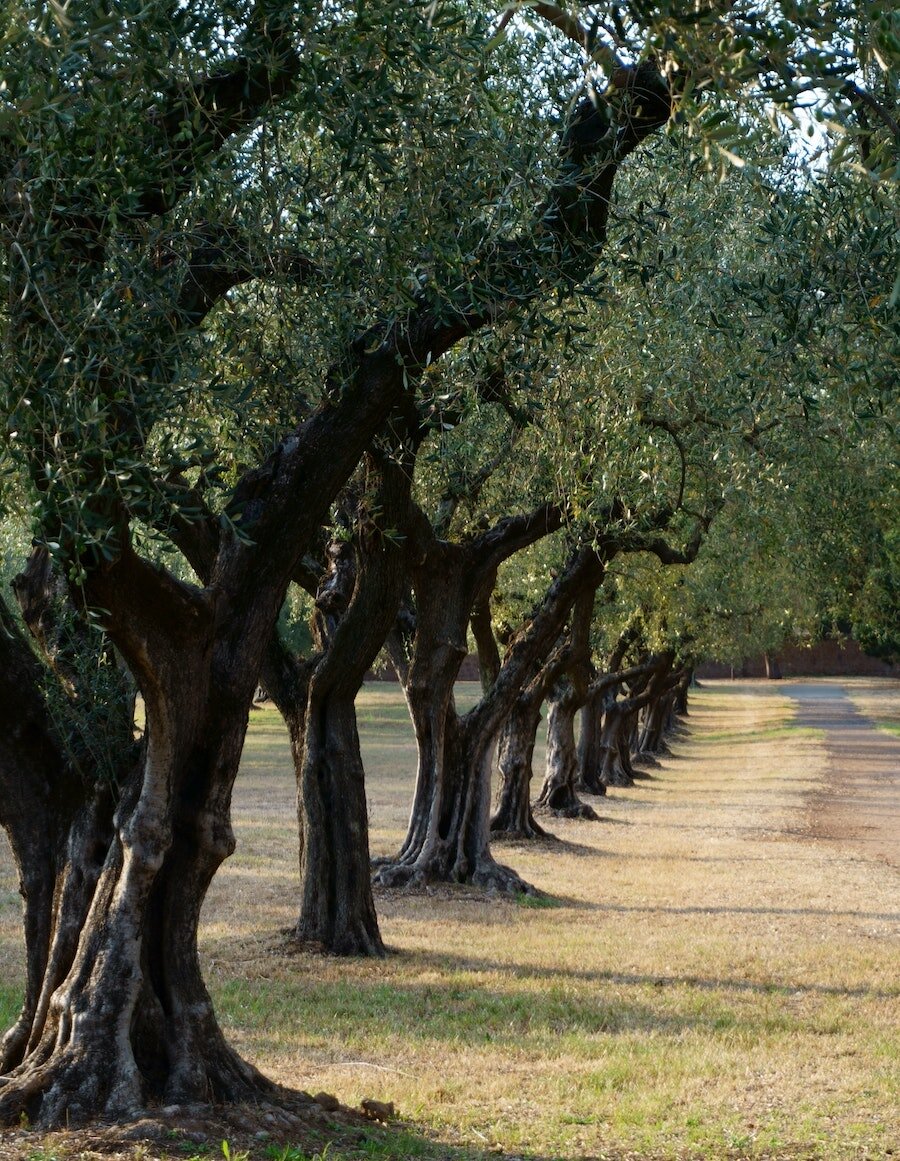
Visit a cultivated orchard or domesticated tree in a park or on your city corner. Notice the difference between wild trees and their domesticated cousins. Can you sense a difference between trees that have been planted and stewarded by human hands as compared to those who have grown without direct human intervention?
Use the Plant Familiars workbook to deepen your intimacy with a particular species of tree. Plant a tree in your yard, neighborhood, or community garden and steward its growth. Observe how it changes throughout the seasons and over time. Learn to harvest responsibly from wild trees and cultivated varieties.
Decorate your altar with items sacred to the Dryads: collected leaves or berries, hand-crafted garlands and wreathes, and fallen branches carved into ritual tools. Tie ribbons or hang offerings on the trees in your garden or neighboring forests. Leave small gifts among the roots of a favorite tree in exchange for your harvest or simply because you wish to honor their wisdom and presence in your life. If you are unsure what to leave as a gift or offering, ask the tree what it enjoys. If communication with plants is new to you, consider using the Plant Familiars workbook to meet and foster a relationship with your Plant Guide.
Meet the Other Nymphs
Are you interested in communing with the other Nymphs? Explore all the guides for connecting with the spirits of Nature.