Thrace
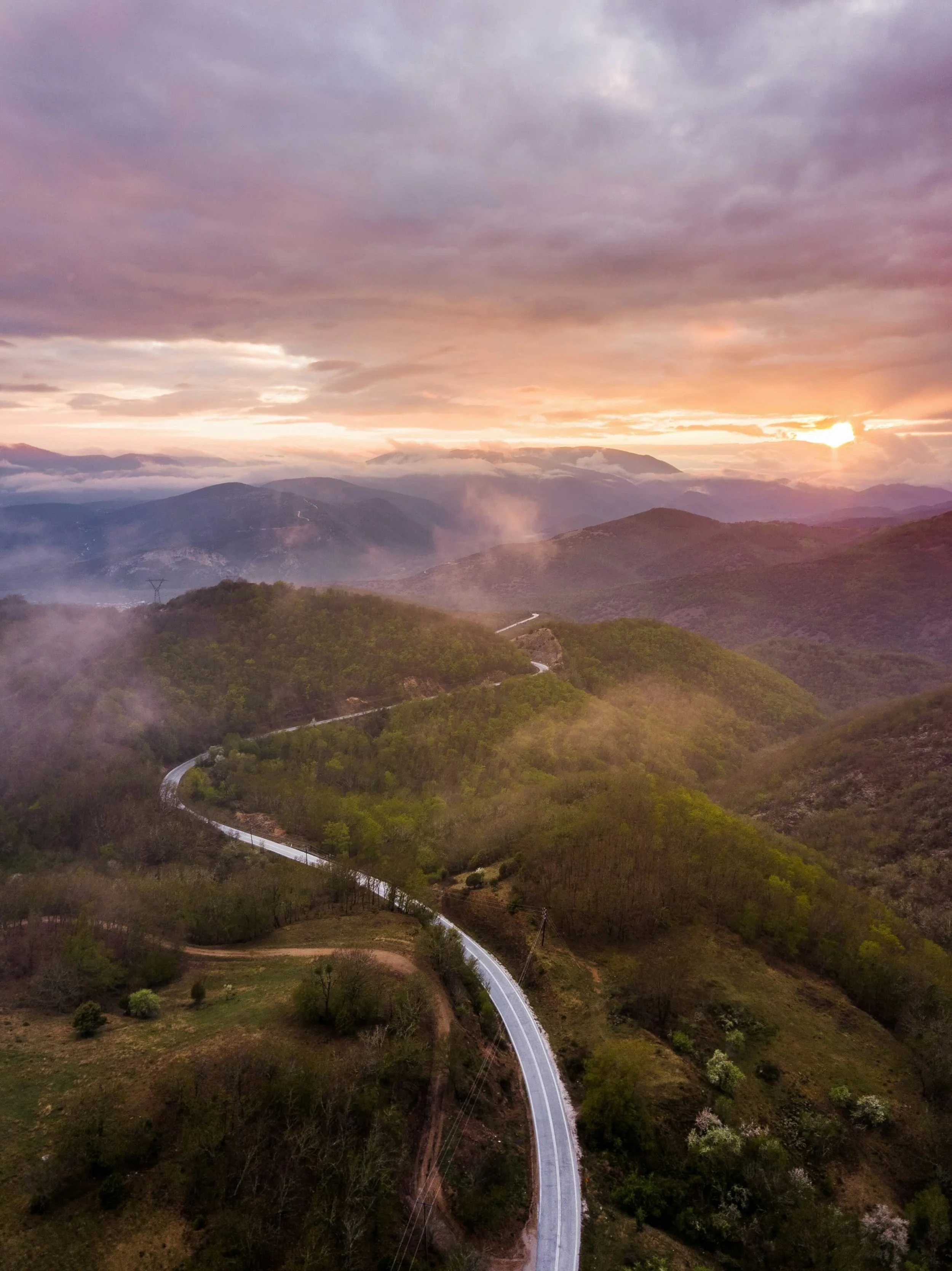
Thrace (Θράκη) is a region in northwestern Greece of stunning beauty and one of the most important areas for migratory birds and birds of prey in Europe. Home to Orpheus, the mystic bard of ancient Greece, as well as a cradle for the Dionysian mysteries, Thrace is a liminal land at the crossroads of several cultures.
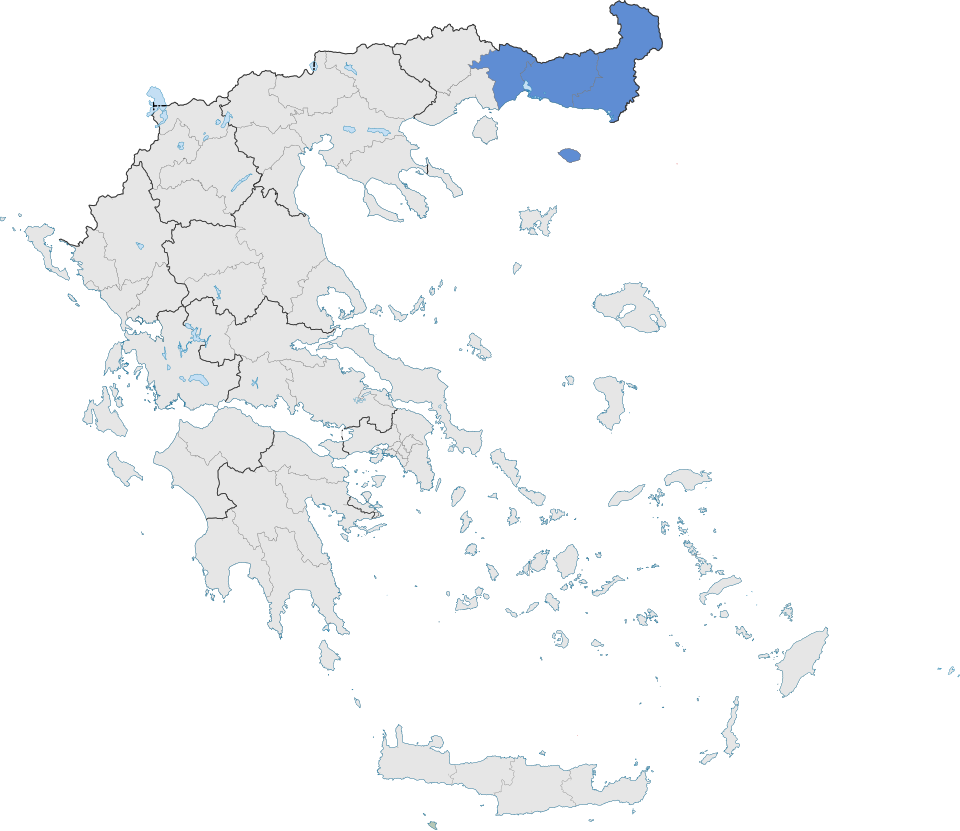
Map created by SilentResident,Philly boy92, CC BY-SA 3.0, via Wikimedia Commons
Modern Thrace is bordered to the west by the region of Macedonia, to the north by the country of Bulgaria, to the east by the country of Turkey, and to the south by the Aegean sea.
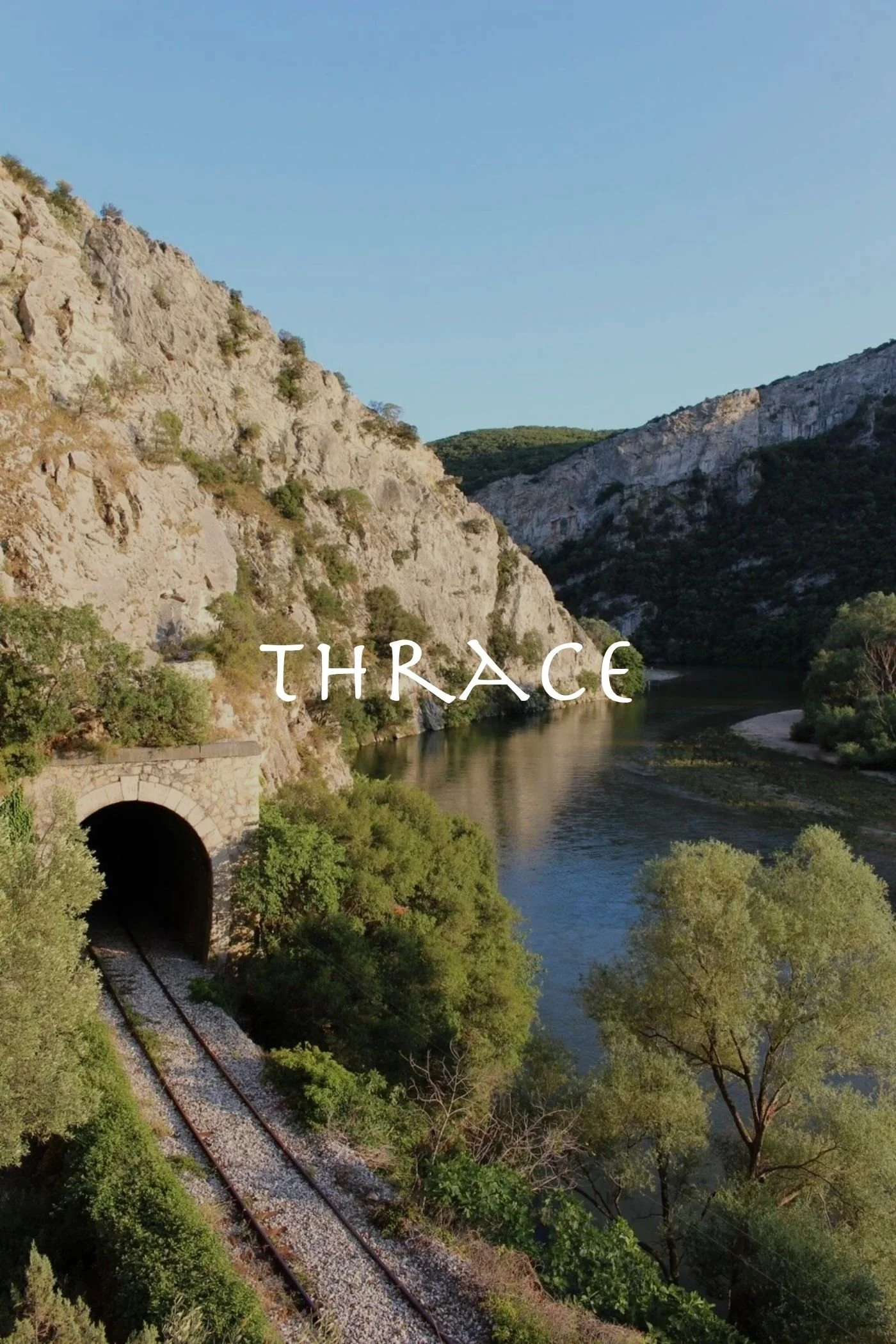
The area is defined by the Rodopi Mountain range (Ροδόπη)—which extends from Bulgaria into Greece—and three mighty rivers: the Nestos River (Νέστος) in the west, the Kosynthos River (Κόσυνθος) in the center, and the Evros River (Εύρος) in the east.
The Kosynthos and Nestos Rivers, in particular, create a network of freshwater tributaries, lakes, and lagoons for migratory birds, including Lake Vistonida (Λίμνη Βιστωνίδα) and the area of Porto Lagos (Λάγος), where Flamingos can be seen.
In the east of the region is the Dadia Forest (Δαδιά), officially called the Dadia-Lefkimi-Soufli Forest National Park, an over-400 km2 protected woodland dominated primarily by Pine and Oak. The forest is a refuge for deciduous and herbacious plants, birds of prey (including native European vultures, falcons, and eagles), mammals, reptiles, amphibians, and insects. In the summer of 2023, over 50% of the forest was destroyed by a 17-day forest fire. Human reforestation efforts are underway to restore the sanctuary, although it’s estimated it could take nearly a century to restore the forest to its natural state.
The climate of the Thrace region is a mix of Mediterranean and continental weather patterns, with temperatures varying widely and dipping cooler than the southern parts of Greece. Commerical agriculture in the areas focuses primarily on Tobacco, Cotton, Sunflowers, and Corn.
Thrace’s boundaries have changed significantly over time under colonization by the Greeks, Romans, and Ottomans. In antiquity, the Thracians were considered non-Greeks living in today’s southeast Balkans; they contributed deeply to the cultural traditions of ancient Greece, particularly to the Orphic and Dionysian mysteries. The part of Thrace within modern Greece’s borders is only a small portion of the Ancient Thracians’ territory.
Today, the region is divided into three regional units: Xanthi, Rhodope, and Evros, whose largest cities are Xanthi, Komotini, and Alexandroupolis, respectively. One of my personal favorite areas of the region is on the Macedonian border, near Paranesti, where the heritage seed group, Peliti (Πελίτι), has its roots, and where walking trails start beside the Nestos river and wind into forests lush with plantlife. Following the Nestos river south toward the delta are stunning viewpoints and access trails to the forest.
For administrative purposes, Thrace is often grouped together with its neighbor, Western Macedonia (where I lived for many years), and sometimes includes the island of Samothrace (Σαμοθράκη), a wild island in the Aegean known for its thermal baths, ancient Plane trees, and impressive waterfalls.
Tap the play button to interact with the map


.svg)