All Offerings
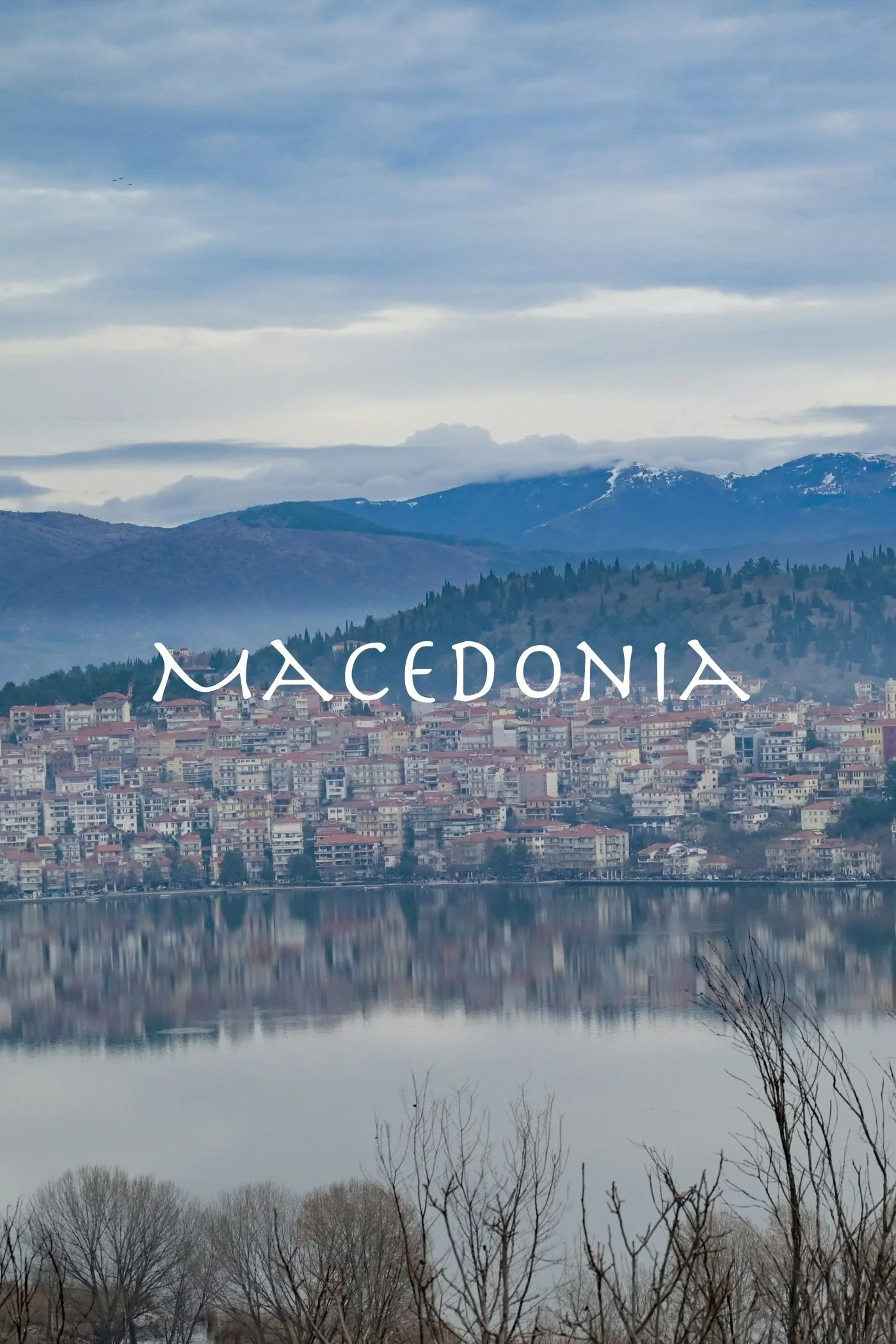
Macedonia
Macedonia (Μακεδονία) is a sprawling region in northern Greece. Like most of the country, the area is a combination of mountain landscapes and fertile valleys, lush forests and flowing rivers, lakes and coastland marshes. I lived for many years in Eastern Macedonia and was able to travel quite extensively throughout the region, so this area holds a particularly special place in my heart.


Plants of the Underworld
Journey down, into the depths of the earth, to meet the plants of the Greek Underworld — the trees, flowers, herbs, and shrubs that ancient Greek mythology associates with the Realm of the Dead. Along the way, we meet the Underworld rivers and entrances to Hades; learn about the sacred kykeon of the Eleusinian Mysteries; discover a shocking truth about Persephone's connection with the seasons; and meet the botanical allies for navigating through death, grief, and the Unseen Realm.

Dionysos and the Vines
In this episode of A Temple Wild Podcast, we encounter Dionysos through the lens of his most sacred plants, the Vines — specifically the Ivy, Grape, and Rough Bindweed. We also talk about wine, entheogens, and consciousness-altering brews of the ancient Greek world; the Maenads who danced into ecstatic union; as well as some of the places, mountains, and other herbs sacred to the god of divine madness.

Sobriety and Sacred Brews
I was recently called to lead a Wine meditation during a Harvest ceremony. Ironically, I’m not much of a drinker. In fact, I’ve never even been drunk.

Rough Bindweed
The Rough Bindweed (also known as Smilax) is a perennial evergreen vine sacred to Dionysos with spines on the stem and bright red berries growing in grape-like clusters. The myth of the problematic love between Smilax and Crocus serves to remind us of the wisdom of not trying to force incompatible bonding. Invite Rough Bindweed into your ceremonies to reestablish boundaries, especially after ecstatic union and joyful communion.

Ivy
The Ivy is a hardy, evergreen, perennial vine with dark green leaves, greenish-yellow flowers in autumn, and purple-black berries in winter. Sacred to the god Dionysos, the Ivy features in nearly all iconography of the god and his retinue. Worn as crowns, wrapped around the thyrsus, and possibly even consumed by the Maenads in celebration of the Dionysiac Mysteries, the Ivy teaches ecstatic release and abandon. In the hands of the Maenads, the Ivy encourages the abandonment of social convention, the leaving behind of “sane” behavior, and the expansion of what we would consider reality.

Grapevine
Like most vines, the Grape is sacred to Dionysos who, among many things, is the god of revelry and credited with bringing wine cultivation to the Greeks. Joyful in its essence, the Grape is a vine of merriment, celebration, and communion. The Grape is also a teacher of fertility, lack of inhibition, and the divine union that results from the dissolving of boundaries.

Ancient Greek Fire Mythology
What stories do the ancient Greeks have to share with us about the power of flame? What Greek gods and myths have arisen from the ashes of their interaction with the element of Fire? And, of course, which plants, trees, and aspects of the Greek landscape are linked to those burning stories?

Giant Fennel
The Giant Fennel is a drought-tolerant herbaeous perennial growing as tall as 4.5 meters (15 feet). As a plant sacred to the ancient Greek Fire gods — Prometheus and Hephaestus — the Giant Fennel is a vessel of Fire, culture, and craft. When used by Dionysos and his retinue in the form of the sacred thyrsus, the Giant Fennel also becomes a rod or sacred axis for channeling divine revelation.

Pine
The Pine is a resinous, coniferous evergreen found blanketing the mountainsides and dotting the coastal regions of the Mediterranean. Protected by the oreiades, the Pine is also sacred to the god Dionysos and is used to decorate the sacred thyrsus. A potent teacher of strength in the face of life’s challenges, Pine can be incorporated into daily ceremonies to strengthen resilience and bring protection.

Maenads
The Maenads are nymphs of Dionysos, the god of viticulture and ecstasy. Their name literally means “raving ones” and they enter divine trance states via intoxication and movement. Read my free guide below to discover how you can deepen your communion with the Maenads and invite them into your daily practices and ceremonies.