Tsai Tou Vounou: The Quintessential Greek Tea
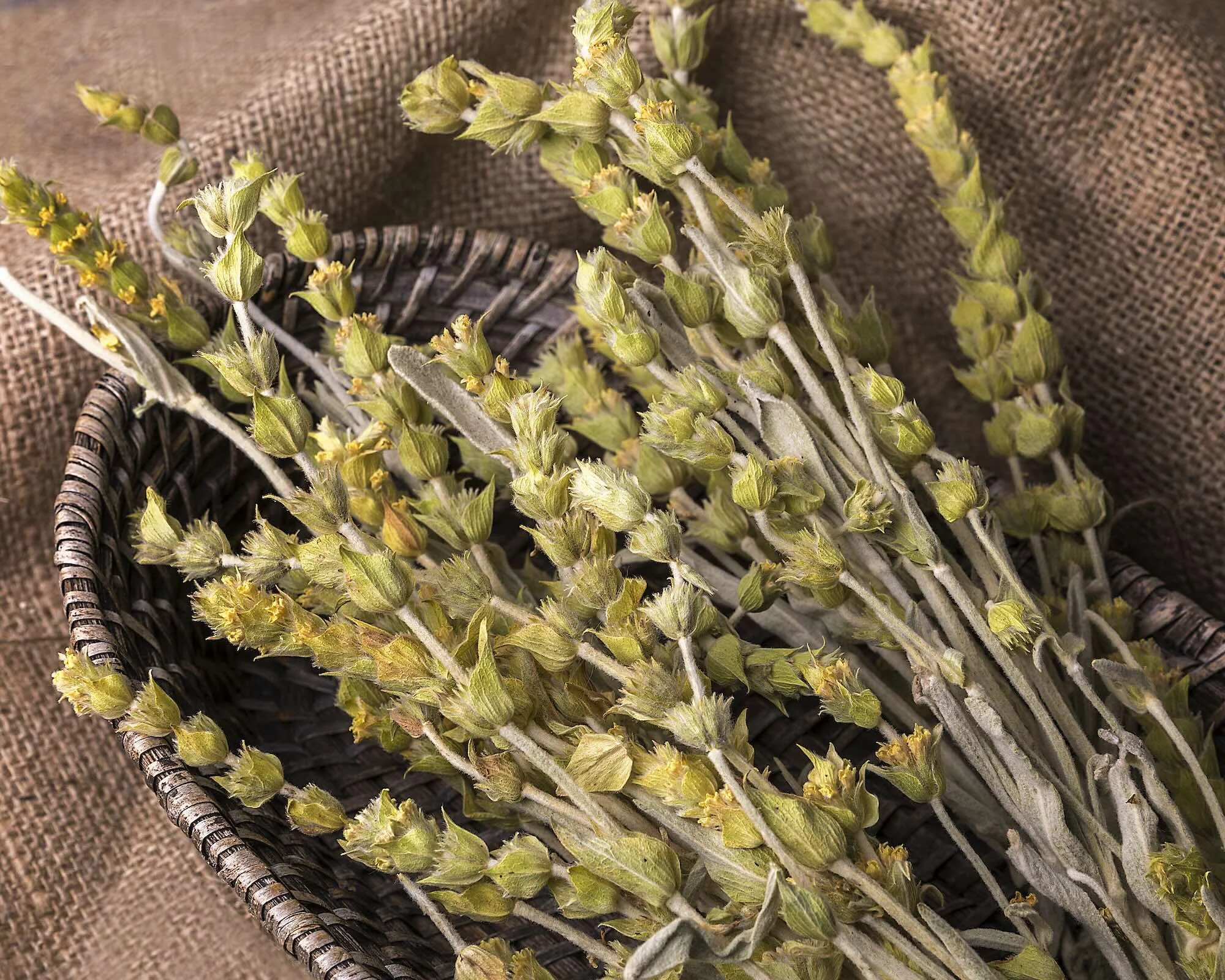
Oh, the famous “Mountain Tea”; every Greek villager seems to know the power of this herb!
Also known in English as Ironwort, or in Greek as “tsai tou vounou” (τσάι του βουνού — which literally means “tea of the mountain”), this herb is high in antioxidants and is traditionally drunk as a tea to support the immune system and treat respiratory conditions (particularly the cold or flu) and to aid digestion.
It is a hardy plant growing on rocky mountainsides at over 1000 meters (3280 feet) above sea level. The Latin genus is Sideritis, but each mountain in Greece has a native species with its own unique characteristics. The herb can be an annual, biannual, or perennial, depending on the species, and most have yellow flowers (for example, S. scardica is perennial and has pale yellow flowers, while S. lanata is annual and has yellow flowers with a purple lip).
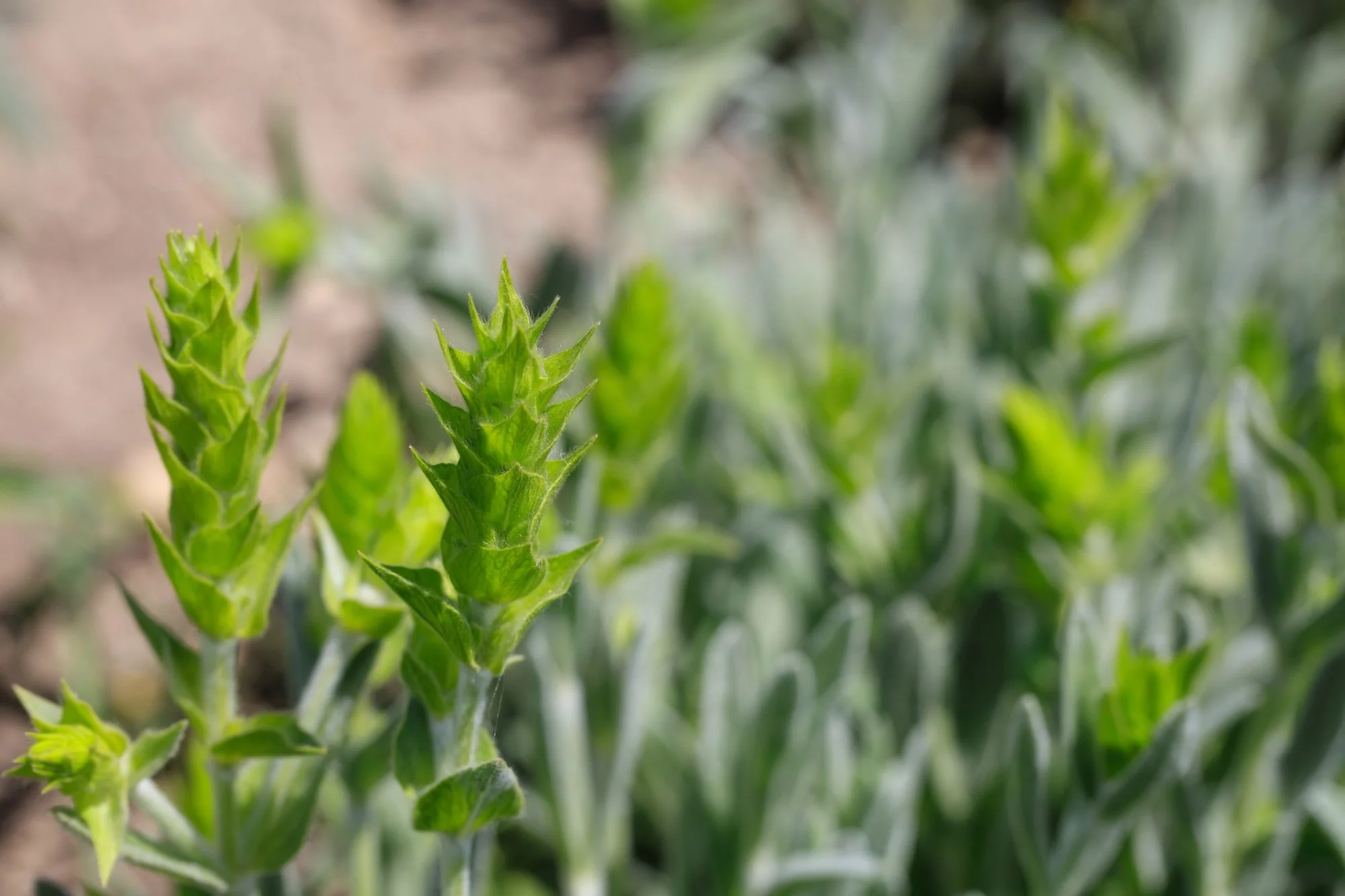
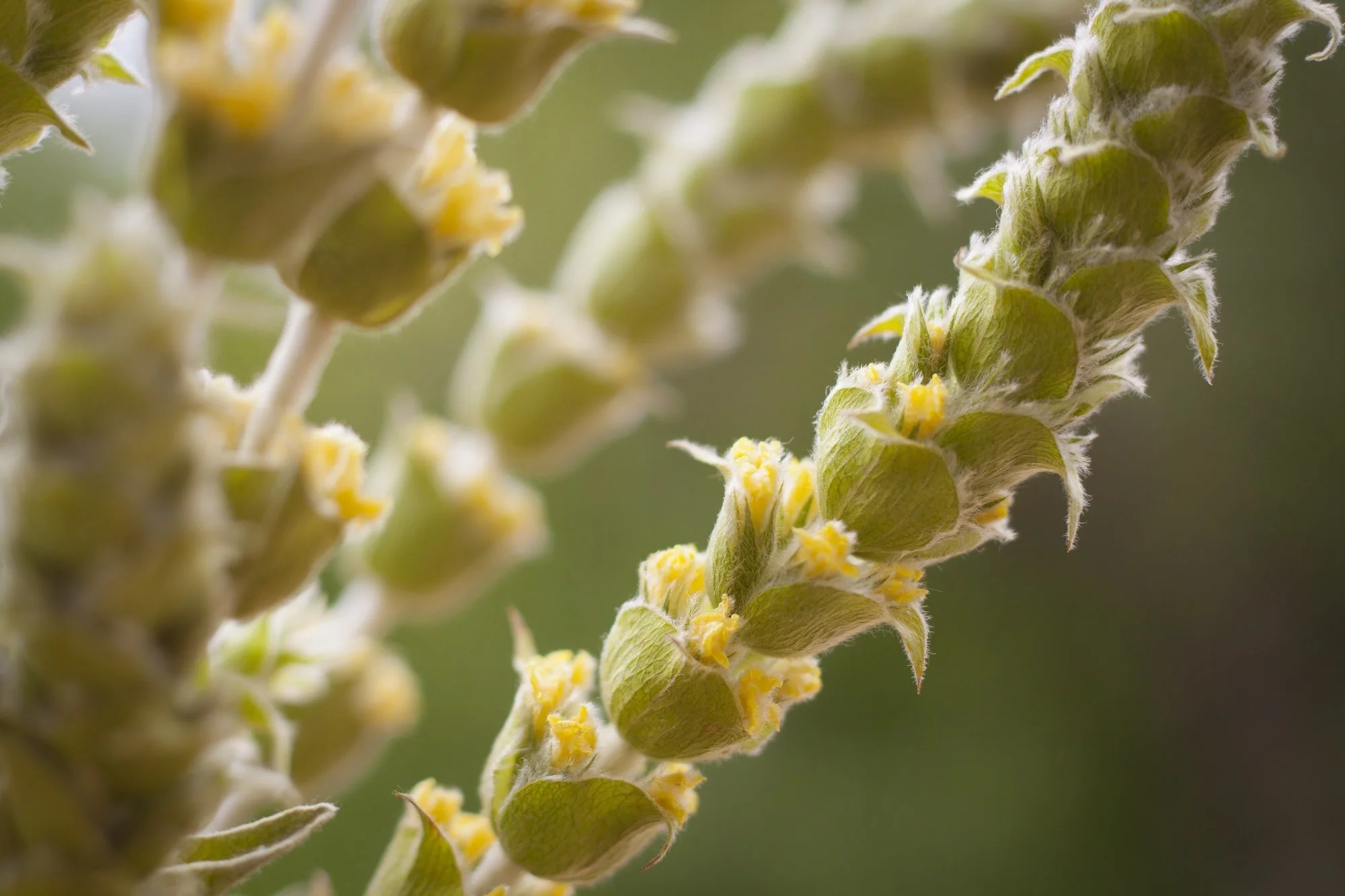
The tea is made from the flowers, leaves, and stems (typically, you’ll find it sold in bunches, like a bouquet) and it is prepared as a decoction (not an infusion!) which means the flowers, leaves, and stems are gently boiled in water on the stove for about 5 to 10 minutes, then strained and served with honey (and sometimes lemon). To me, the flavor is a mix between sage and mint, with a unique mineral or earthy taste, depending on the species.

To be honest, I’m surprised there aren’t any Greek myths featuring this herb, especially with how prominent it is in folk healing traditions. The ancient writers (for example, Theophrastus, Hippocrates, and Dioscorides) mention the herb, but I’ve not come across any stories that involve the gods or nymphs. (Do you know any? If so, send me a message and let me know!)
Mountain Tea can be found in many places along the Mediterranean, as far west as the Iberian peninsula and north into the Balkan peninsula. The herb is very popular and unfortunately this has led to over-harvesting in the wild, with reports of workers from Albania and Bulgaria illegally crossing the borders of northern Greece to harvest the herb from the mountains. Herb poachers will often harvest an entire wild population of the herb — meaning, they don’t leave any of the plants behind to repopulate the area — which is devastating to the herb’s ability to reproduce (this is also common with wild Oregano).
That is why I suggest being intentional when buying Mountain Tea (or any wild-harvested herbs!). Conscious and regenerative harvesting techniques are essential if the wild populations are going to survive, let alone thrive.
Here are two responsible sources I suggest for ordering Greek Mountain Tea; both companies source from high-quality organic farms, rather than harvesting from the wild (I’m not sponsored by these companies):
Botano for Cretan Sideritis
Daphnis and Chloe for Northern Greek Sideritis (Grevana region)