Mount Olympus: Stumbling Down the Mountain of the Gods
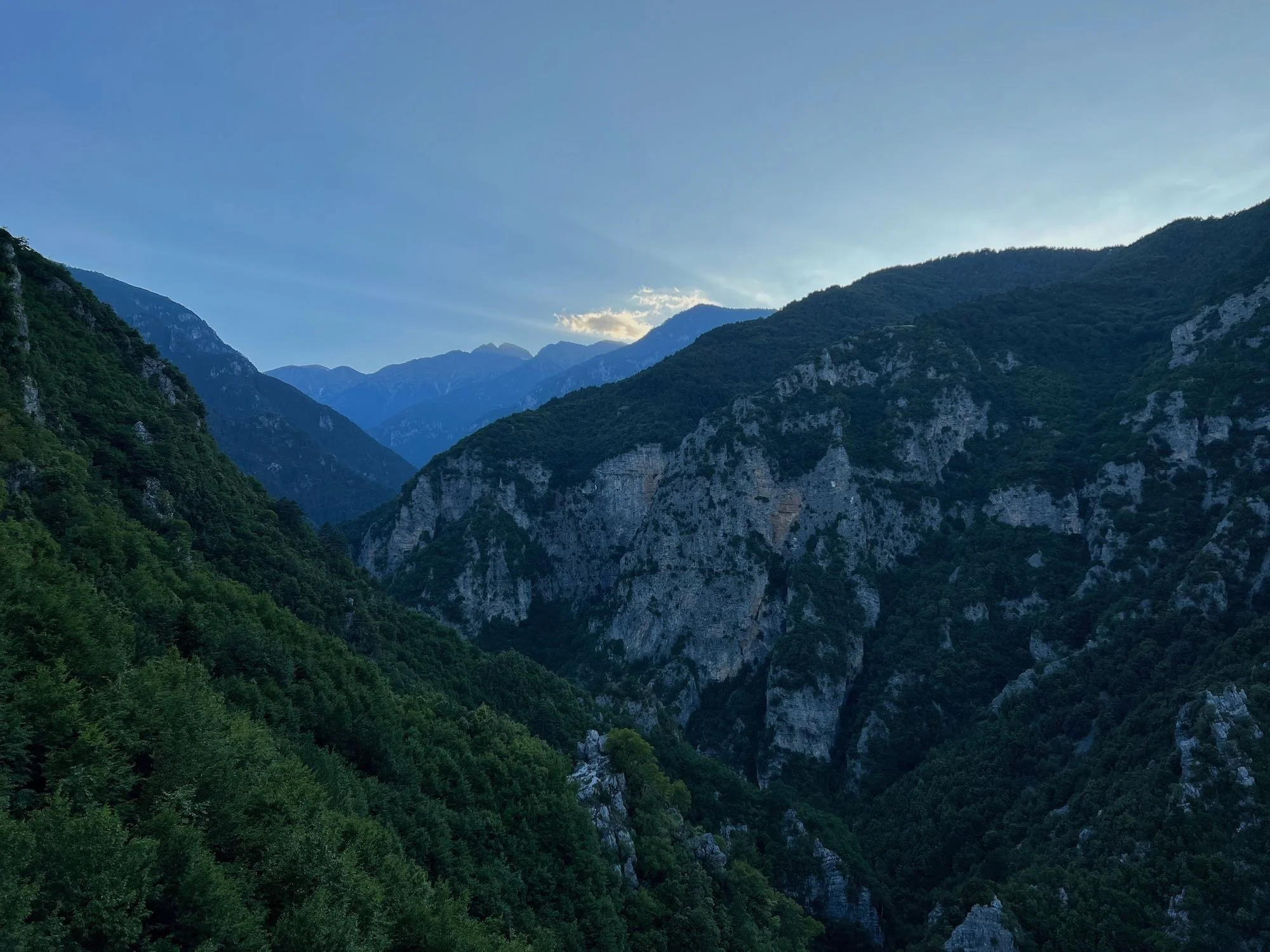
I will be the first to admit that I am prone to dramatics. I love to embellish a story, especially one that involves me doing anything even remotely “sporty.” And yet I am being totally honest when I say my hike on Mount Olympus (Όλυμπος) was perhaps one of the most physically and emotionally demanding hikes I’ve done in the past ten years (and that includes a hike I made on Mount Parnassos where I scaled a rockface holding onto only rope to reach a waterfall, as well as a hike in Sweden where I carried overnight camping gear through an ankle-deep, freezing-cold marsh on 2 hours of sleep).
I also want to begin this story by saying that while I love myself a good hike, I am more of the let’s-meander-through-the-forest-at-a-gentle-pace-and-take-pictures-of-plants type, rather than a let’s-hike-uphill-for-seven-hours-with-gear-on-our-backs type. I have absolutely no need to stand on a mountain’s peak and plant a flag. As my friend puts it, I am not a κορυφόκαβλος: one who is horny for the top. Thus, I did not attempt a hike to the top of Mount Olympus, but that does not make my trek on the Mountain of the Gods any less harrowing.
I was not prepared for the Mountain of the Gods, but that is my own fault, as I did not review the trail myself before setting out. The friend with whom I went to Olympus had done this particular hike before, so when she said, “It’s fairly easy. We’ll take a taxi half-way up the mountain and then walk downhill back to the village. It takes about 4 hours and it’s really beautiful. There are springs along the way, so we don’t need to bring much water. If we start walking around 3 we’ll be back in town by 7:30 for dinner” — I pretty much took her word for it.
It sounded reasonable to me. Especially because two weeks prior, I had gone on a two-day hike in Sweden that kicked my ass (see my comment above) and I thought: this will be a breeze in comparison. I’ll just have a small day pack. Good shoes. Totally do-able.
*cue maniacal laughter*
Right.
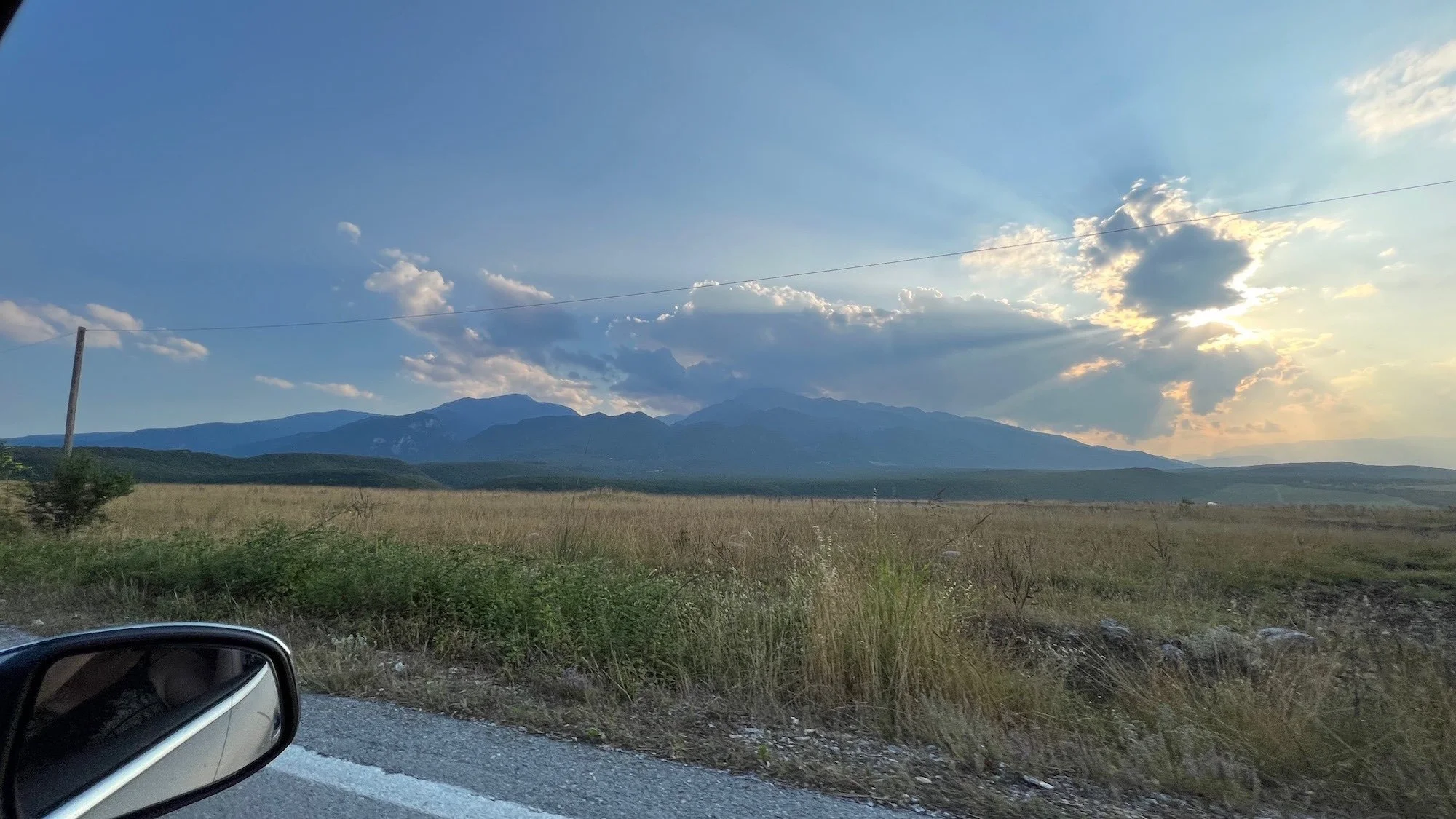
For those who don’t know, Mount Olympus is the tallest mountain in Greece; it stands at 2,917 meters (9,570 feet) at its highest point and is graced with steep peaks, forested gorges, and deep ravines peppered with caves, freshwater springs, and waterfalls. The highest peaks are snow-covered for most of the year and the top is often shrouded in clouds. It is an impressive sight, positioned on the border between the regions of Thessaly and Macedonia and overlooking the Aegean sea.
It is easy to understand why it is the famed home of the twelve Olympian gods, who are said to dwell there in palaces of marble, bronze, and gold. One of its tallest peaks, the Throne of Zeus, is said to be the god’s uppermost perch from which he alone can observe humanity. Mount Olympus was also the base of the Olympians as they fought the Titans (who occupied Mount Othrys to the south) during the Titanomachy (Τιτανομαχία) — the 10-year Battle of the Titans that would establish the Olympian gods as the ruling deities.
Press play to interact with the map
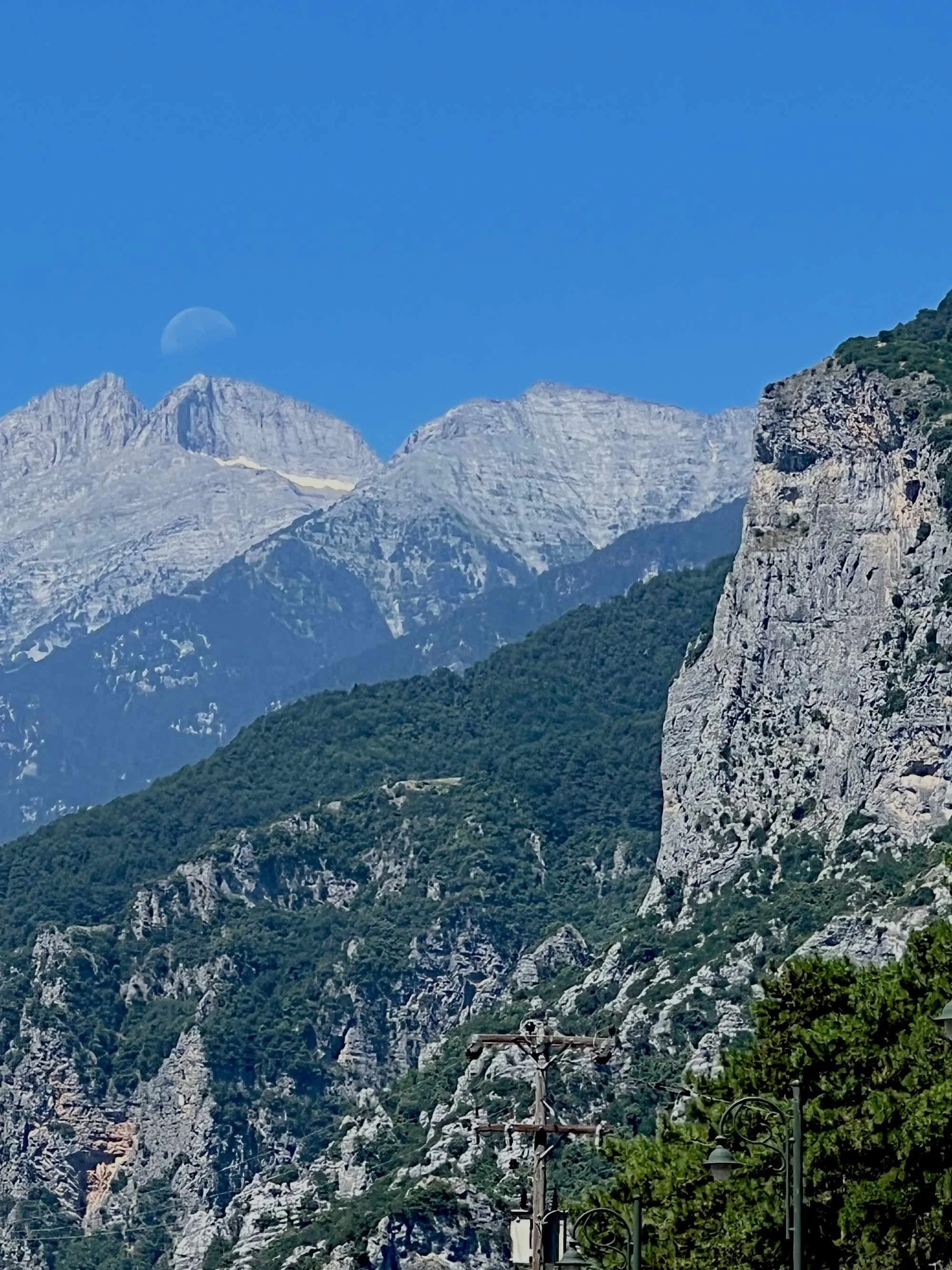
Mount Olympus, as seen from Litochoro. Mytikas peak (or Pantheon) on the left and Stefani Peak (or the Throne of Zeus) on the right.
The area is rich in sacred springs, archaeological sites, and yet-to-be-discovered remnants of the past. On the peak of Profitis Ilias (Προφήτης Ηλίας) 2,803 meters above sea level, was once a temple to Apollo. (As is typical, Saint Dionysius, a 16th century Christian, established a chapel atop the site). At the northeastern base of the mountain lies the ancient village of Dion, with its many temples, including those dedicated to Zeus, Demeter and Kore (Persephone), Artemis, and even Isis. The area is also linked with Orpheus — the mystic bard — who was said to have been torn apart by Maenads for turning his back on Dionysus.
In modern times, Olympus was the first Greek National Park, established in 1938, and its varied elevations create diverse ecosystems for numerous plant and animal species to thrive. Lower elevations are thick with deciduous and evergreen trees and shrubs, such as the Strawberry Tree, Oak, Plane, and Bay Laurel; upper elevations are covered in Fir, Black Pine (Pinus nigra), and the rare Bosnian Pine (P. heldreichii). Wildflowers and endemic flora, wolves, jackals, and chamois, and rare and threatened birds all call the mountain home.
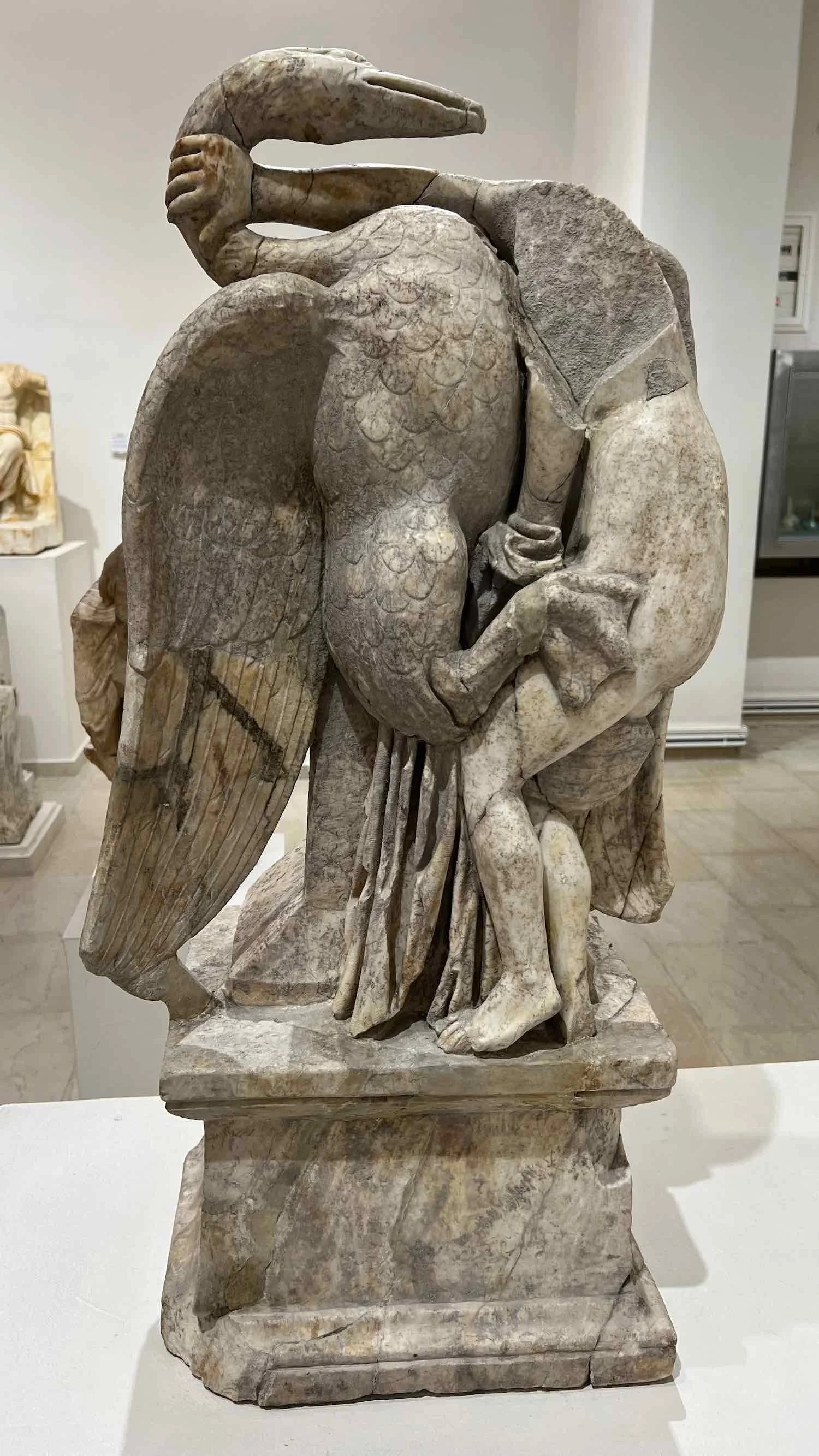
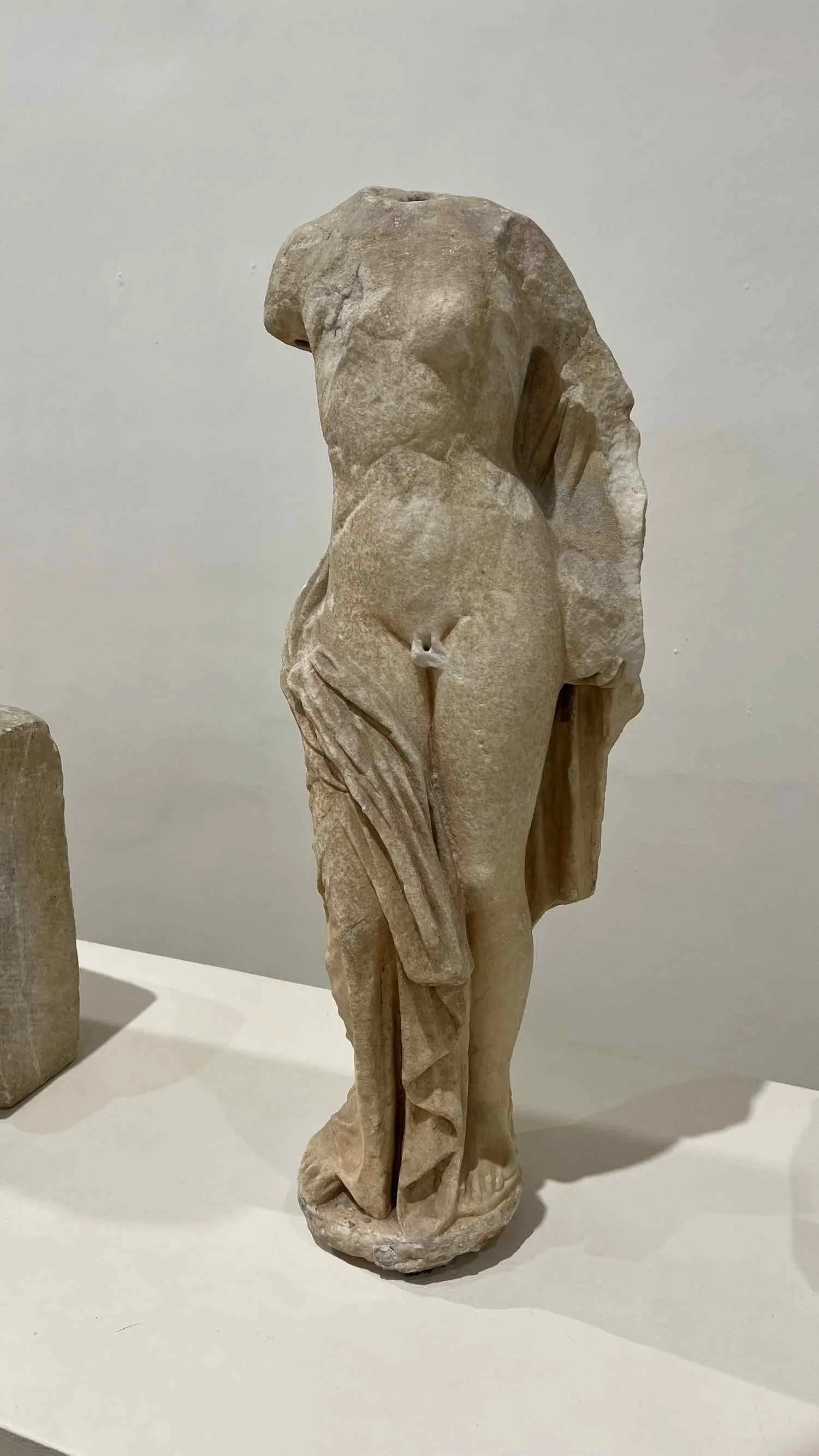
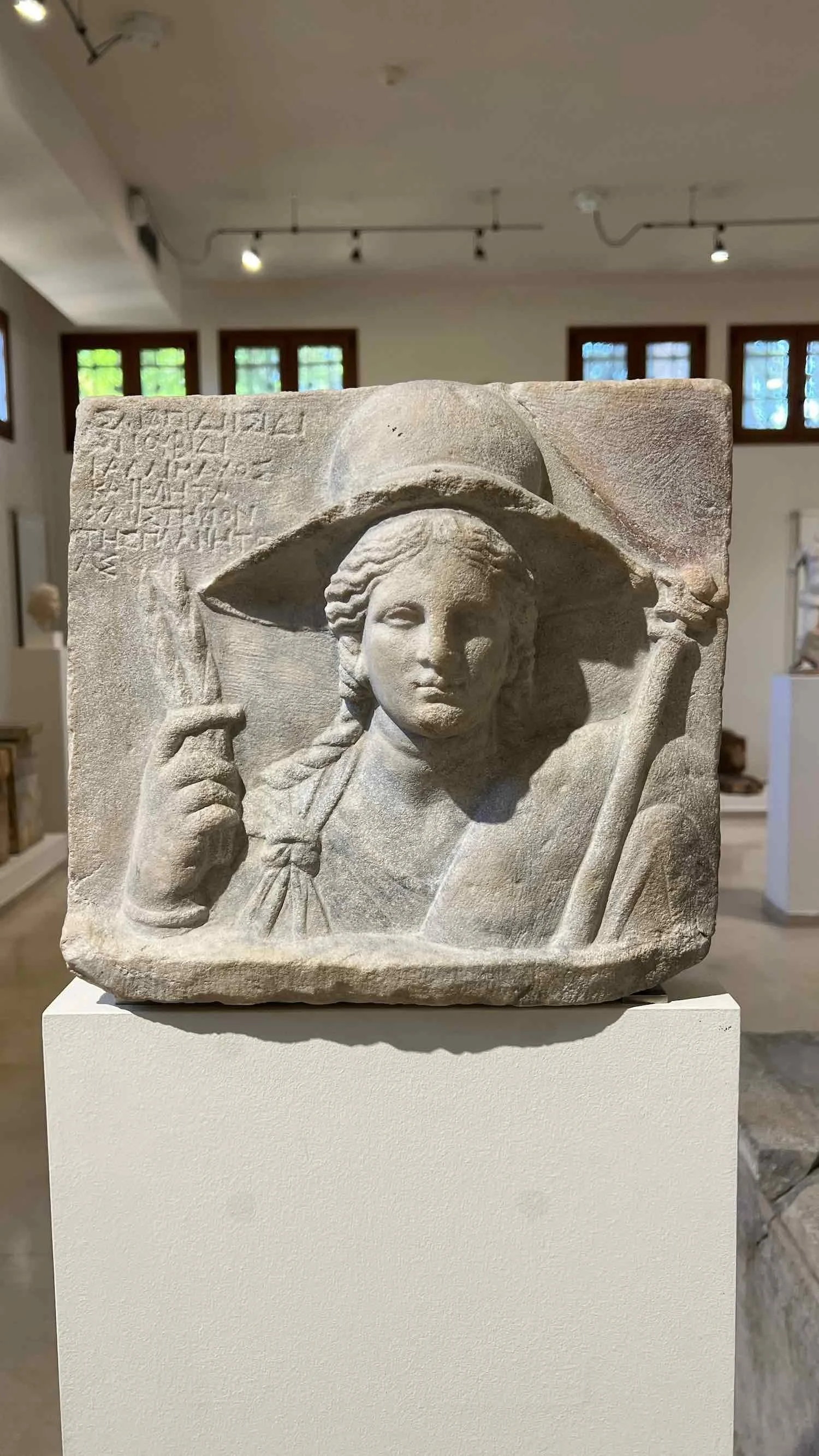

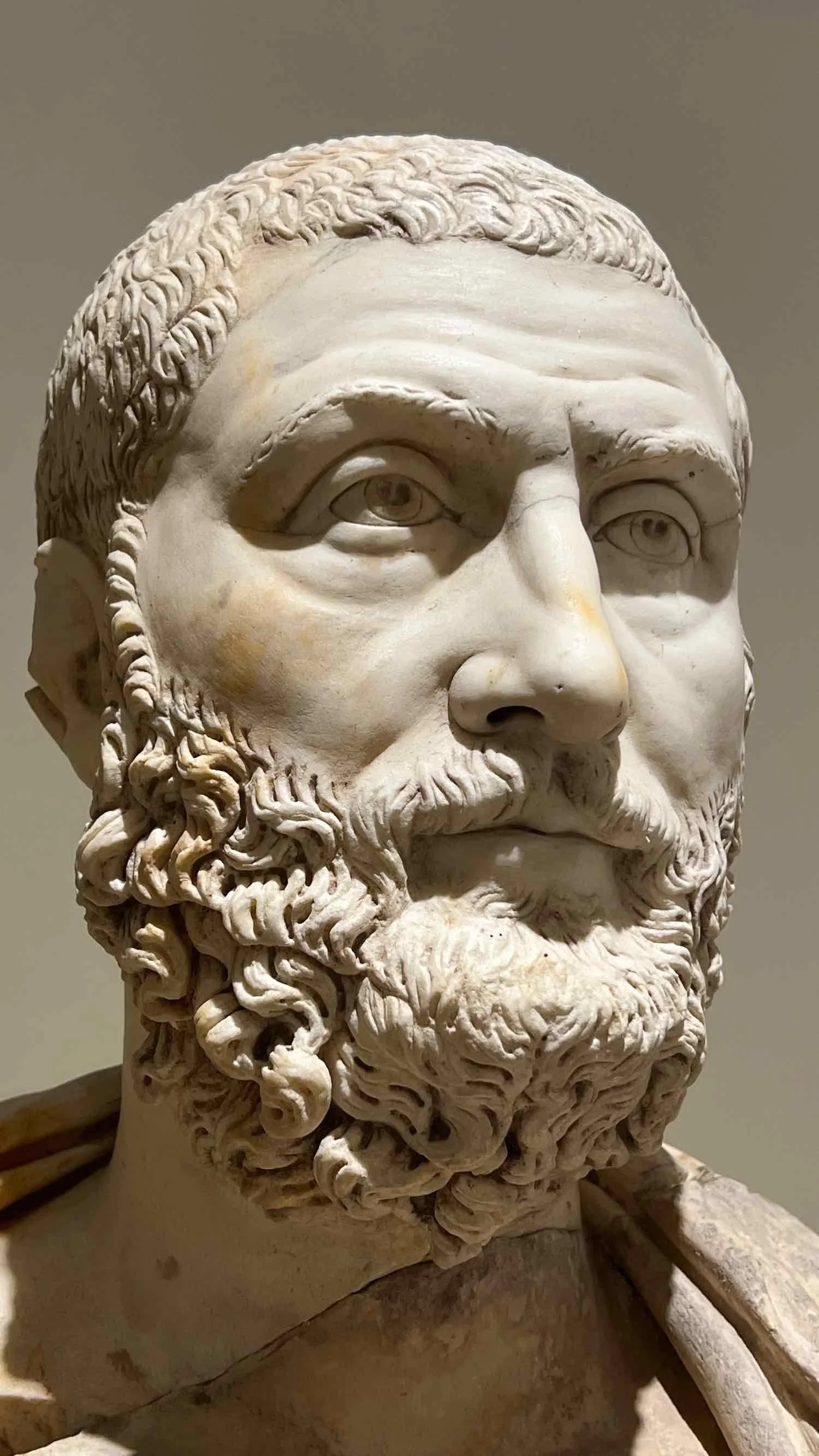
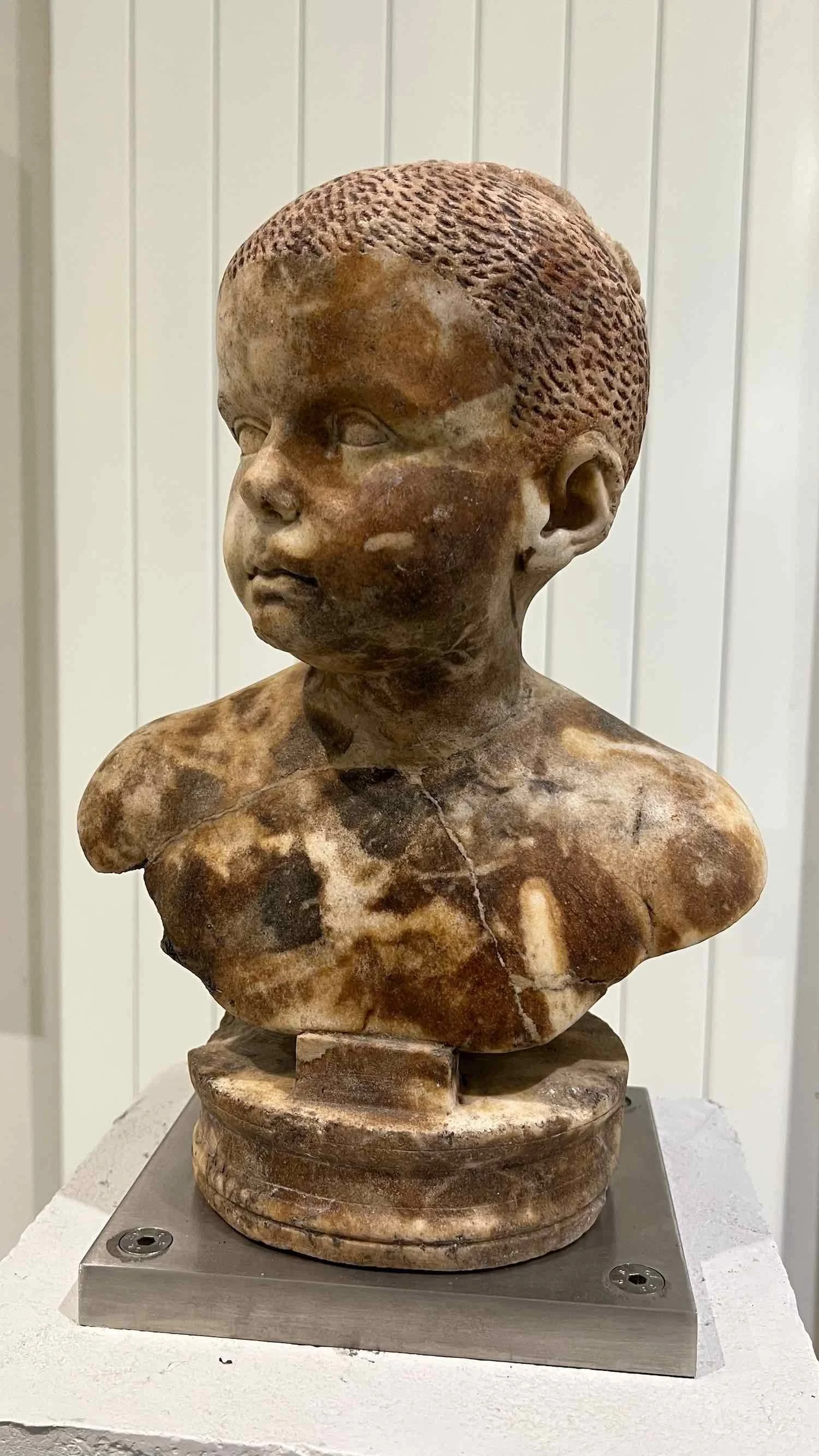
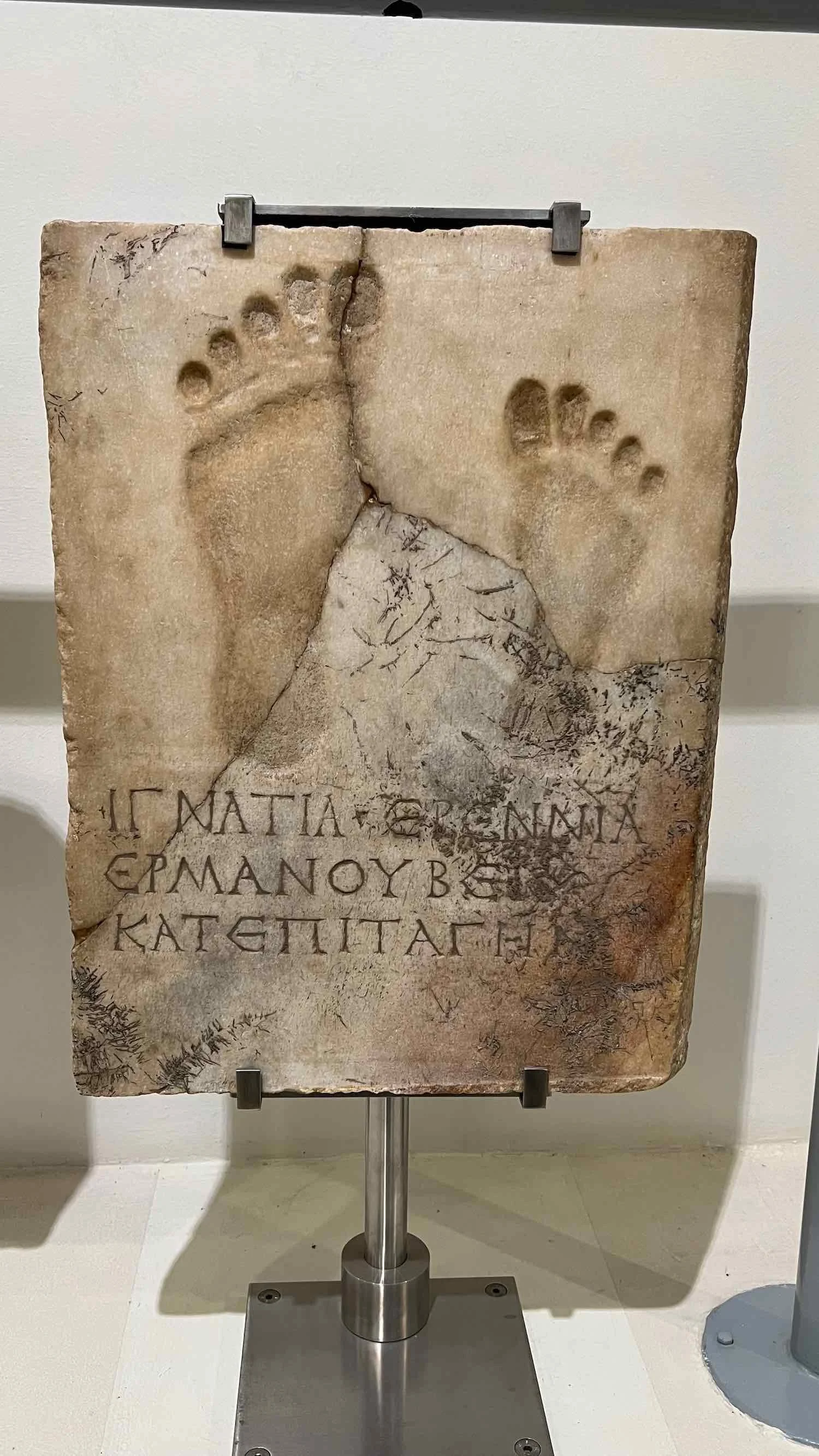

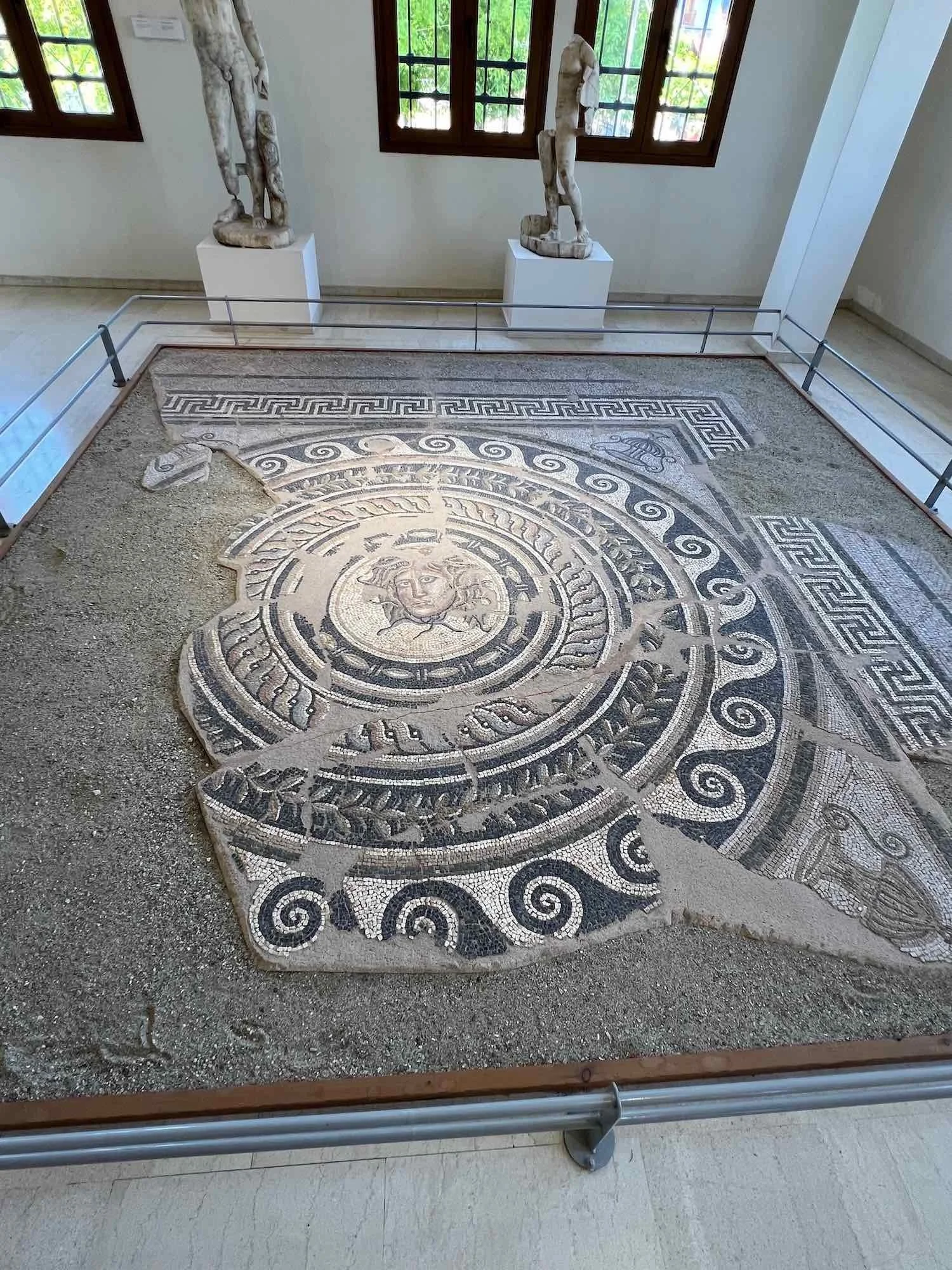
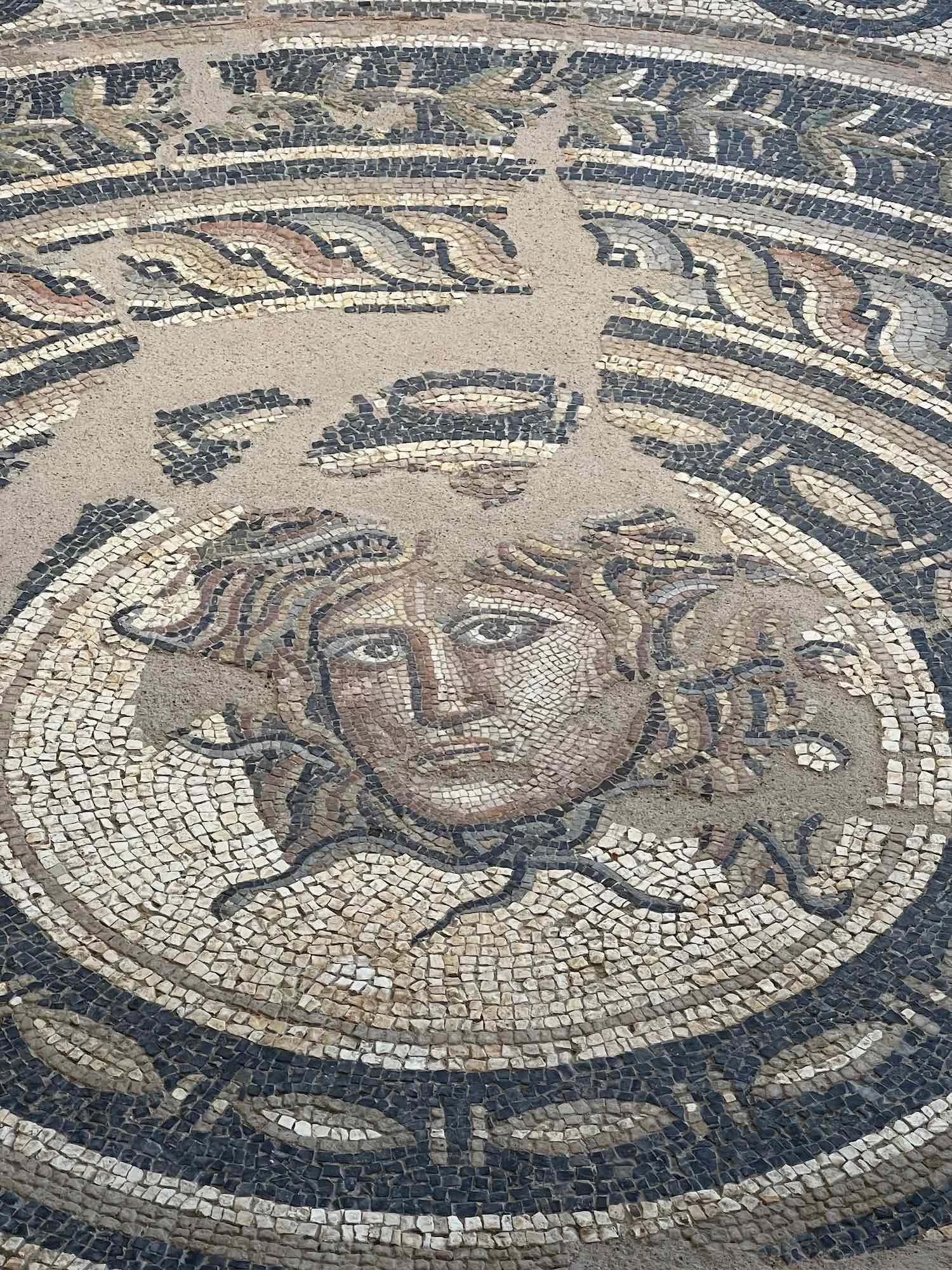
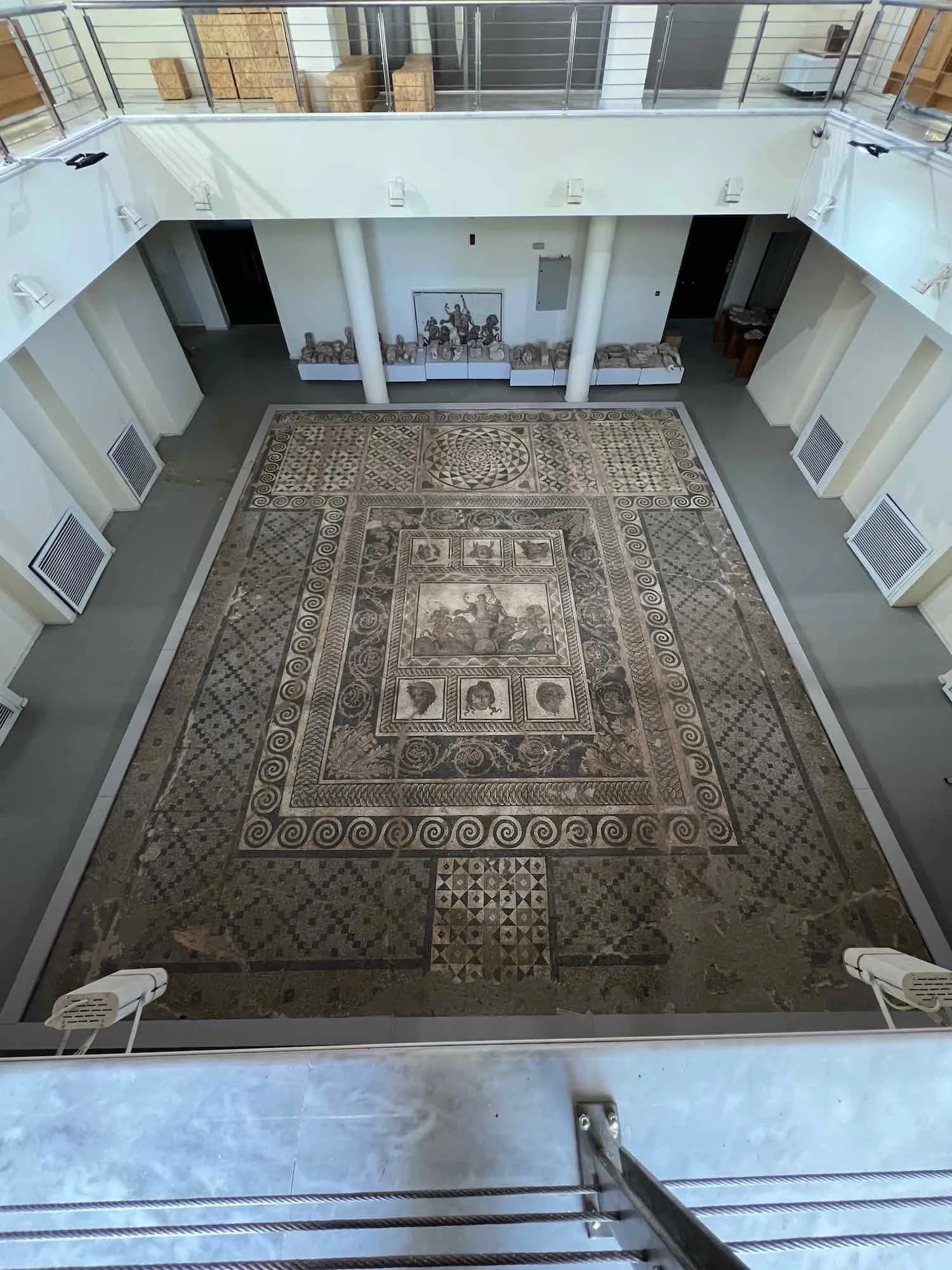
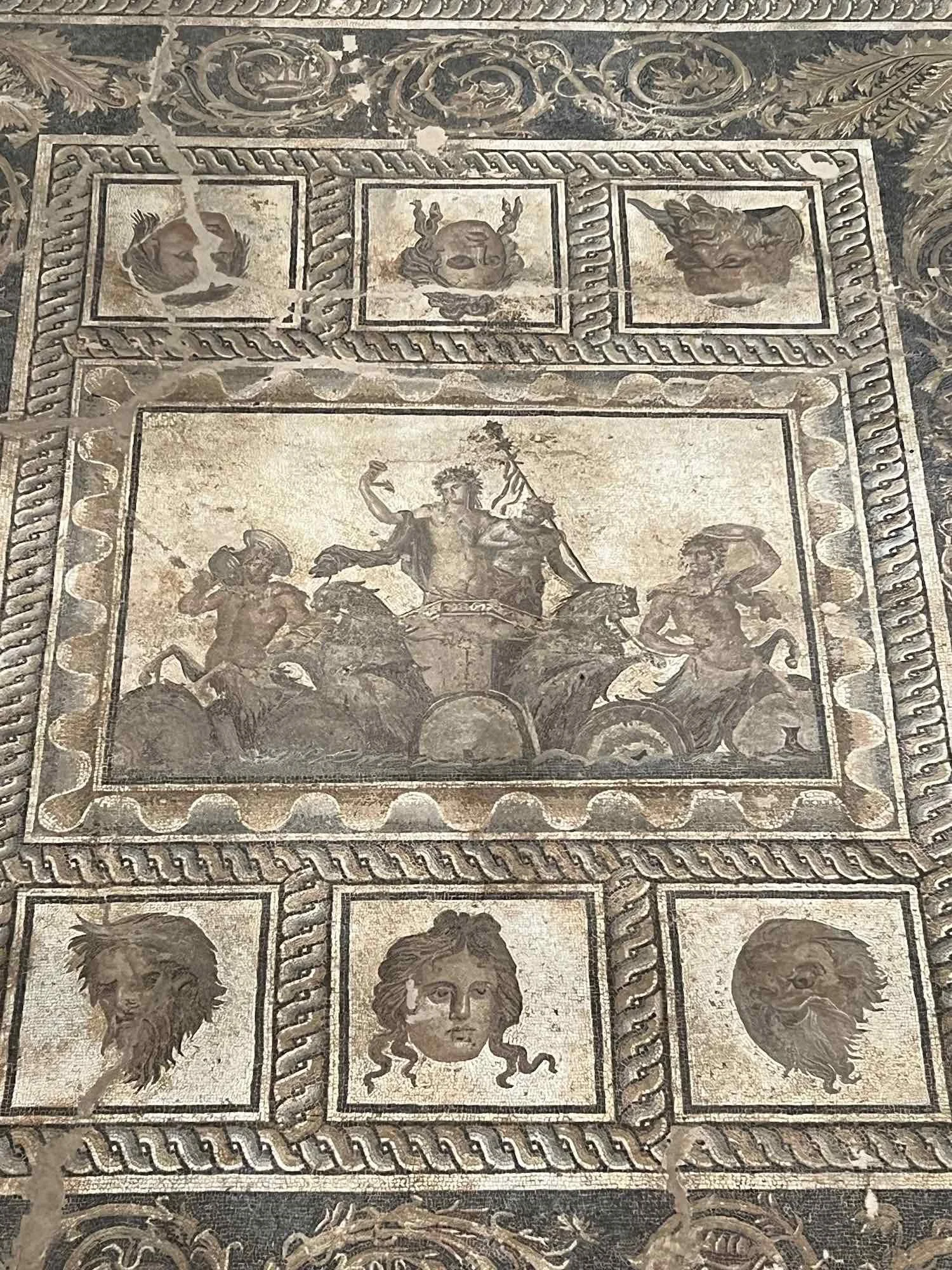
After a good night’s sleep in our rental cabin, and then a leisurely walk around the Dion archaeological museum (with some of the most stunning statues and mosaics I’ve ever seen), we left my friend’s car in the village of Litochoro (Λιτόχωρο), took a taxi up the mountain to Prionia (Πριόνια) — which is a common starting point for many hikers going up the mountain — ate our packed lunch, and then started hiking down the E4 trail around 3pm, just as we’d planned.

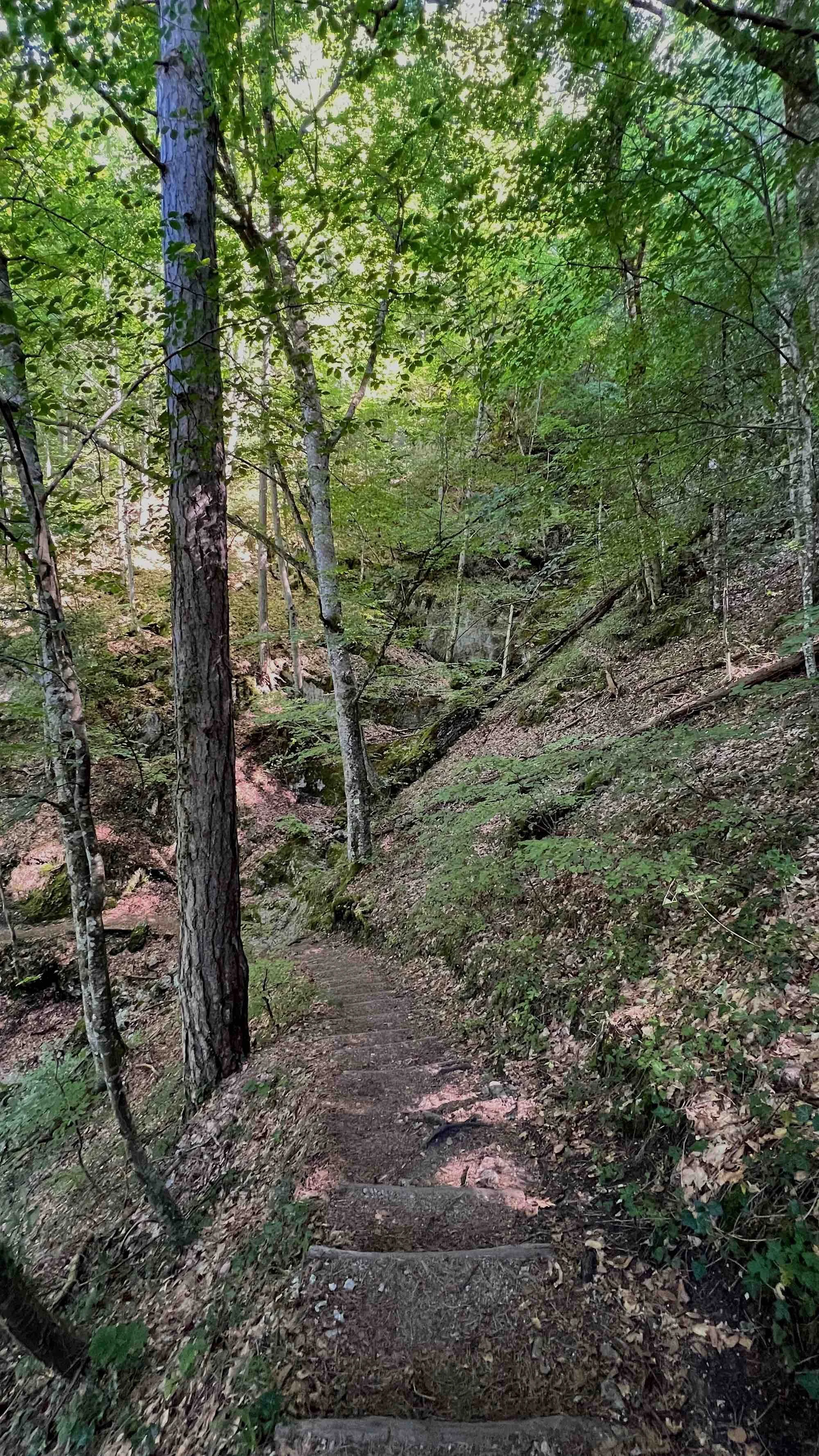
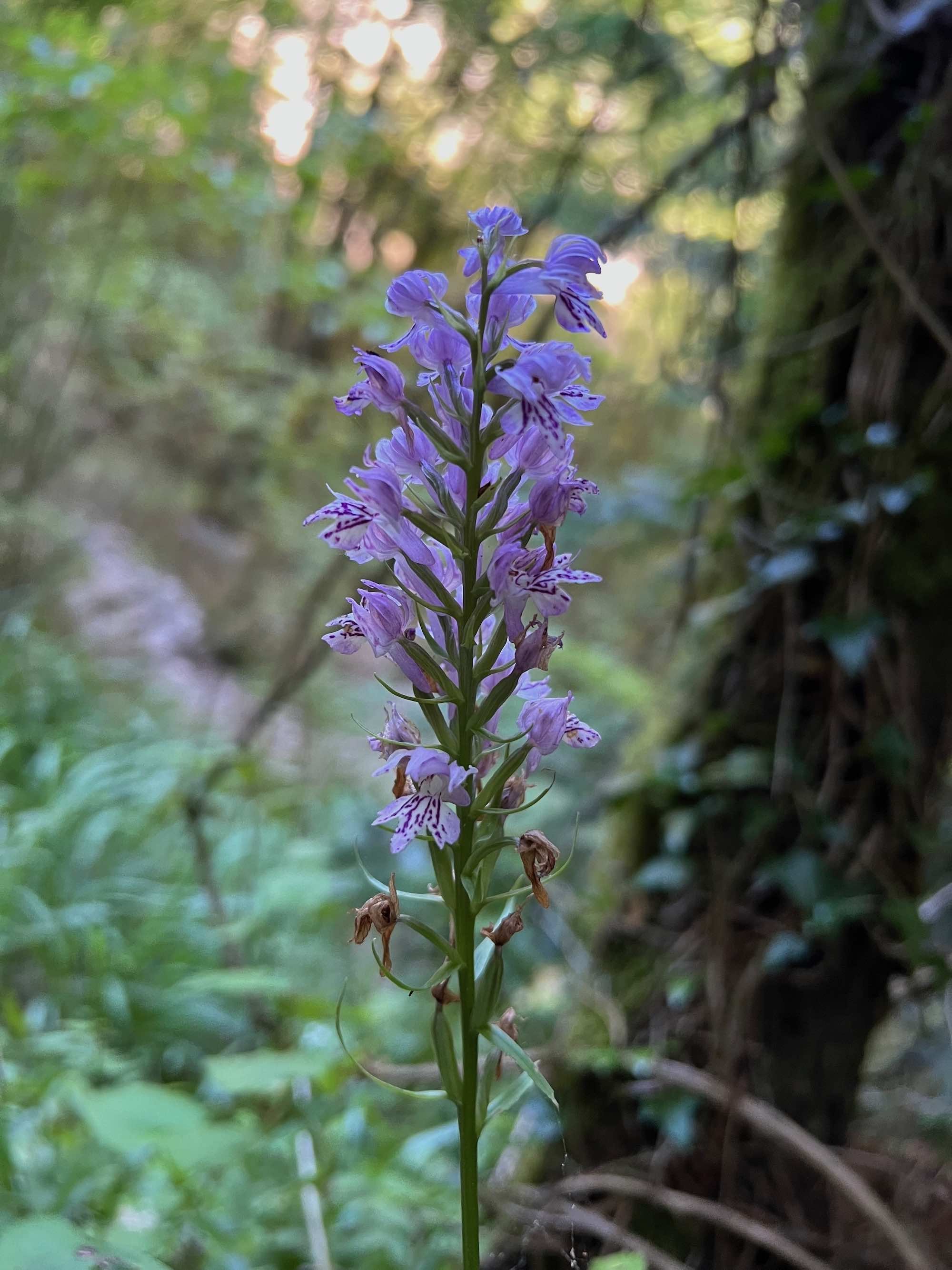
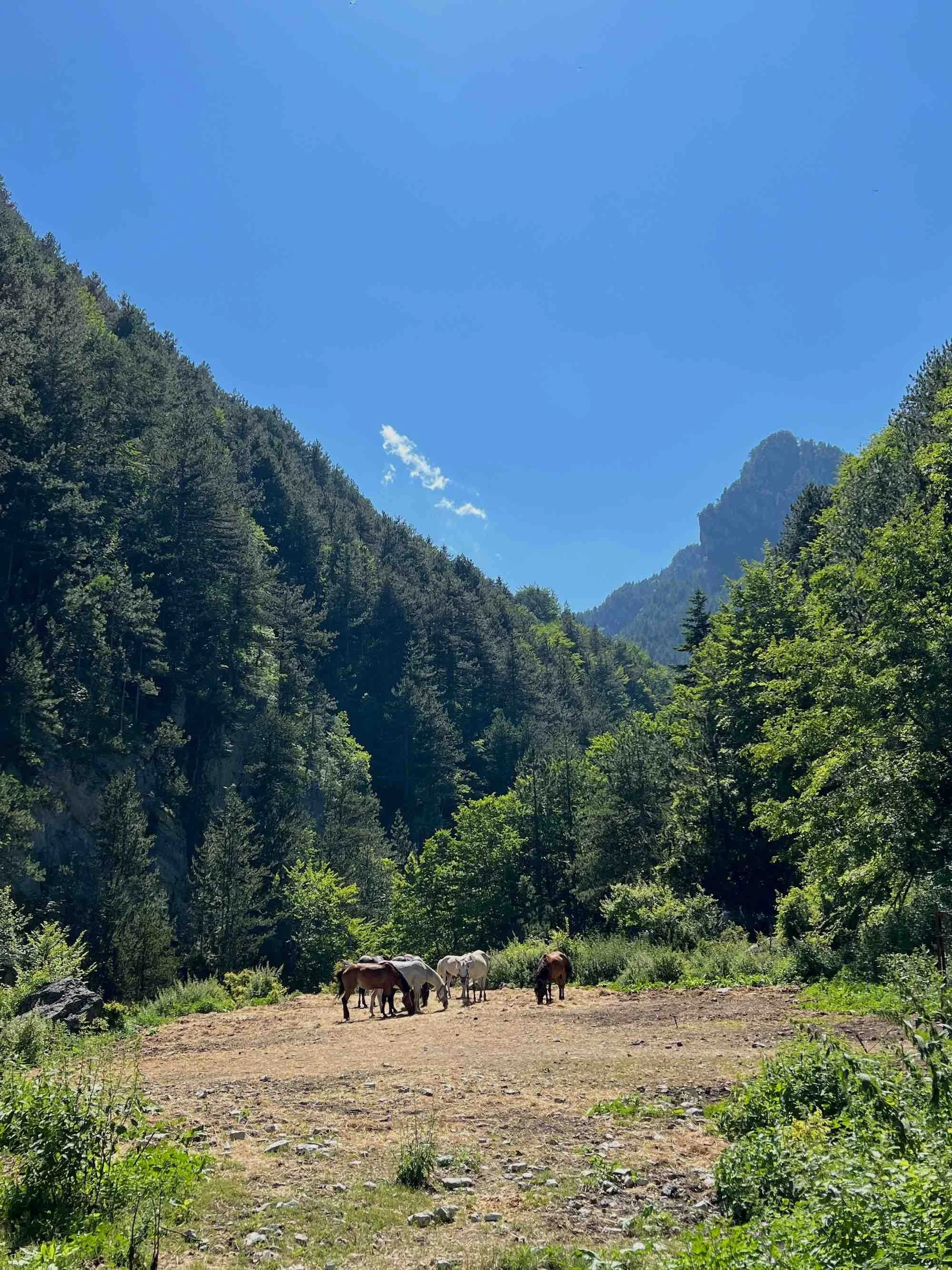
The stunning views commenced immediately as the ice-cold Enipeas River wound its way through a forested ravine with cascading waterfalls and wooden bridges.
Sidestepping the occasional mule droppings (the pack animals are the only way to get provisions up the mountain to the remote refuges where hikers spend the night on the 2-3 day hike up the mountain) and white-knuckling my way across a few wooden bridges that had missing boards, the first half of the hike was moderately challenging, mostly downhill, and – thankfully – in the shade.
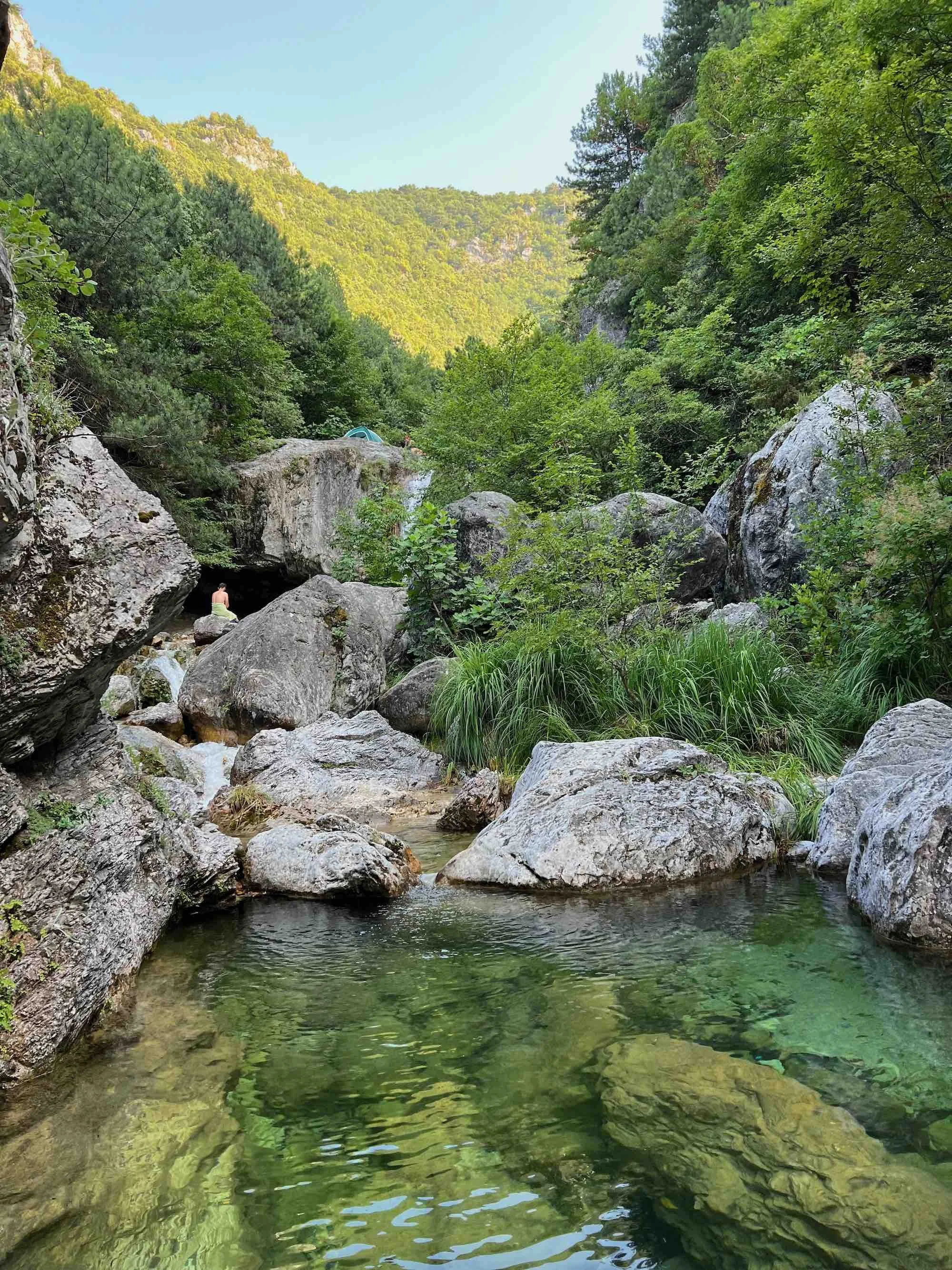
The watering hole at Orlias Stream where we swam the day before; not on the E4 trail
That did not stop me from sweating profusely the moment we started walking (thanks to my maternal genes), so we stopped a few times to splash water on our faces in the river. My friend even braved a dip in the icy cold water, but I opted to remain dry; I had done my share of cold bathing the day before when we went to Orlias Stream, another beautiful spot on the northeastern slope of the mountain near Dion.
After several hours of hiking, we came to the Sacred Spring and Cave of Saint Dionysios. It is a magical little grotto, though the sanctuary itself is built in such a way that the source of the spring is not easily accessed.
I wondered what sacred Dionysian rituals had been taking place here for thousands of years before the Orthodox church comandeered the site.
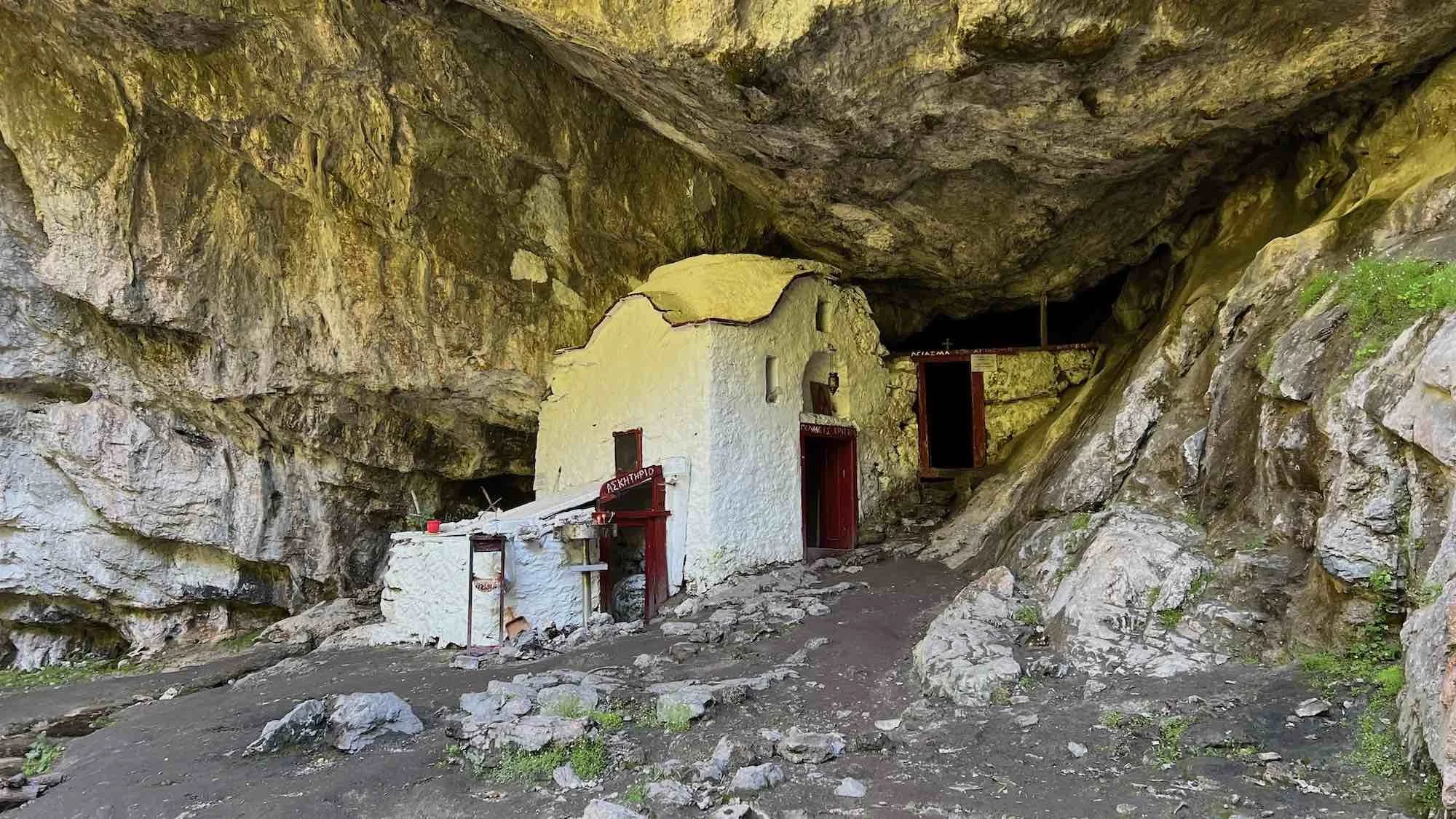
the Sacred Spring and Cave of Saint Dionysios of Mount Olympus
After the Sacred Spring, things started to get a little…intense. For most of the hike, we’d encountered other humans sporadically; they passed us on their way up the mountain. But after the Spring, there were no more people and by that point, my water was more than half gone, so I started to ration it. (I had not refilled at the Spring; a woman’s unleashed dog had peed and pawed around the water).
Then the trail started going up. Then down. Then up again. And up some more. Then down. And so on. In some spots I had to lower myself to a crouch or even sit on my ass to scoot over the edge to descend. My friend frequently gave me a hand and I still fell twice; luckily I did not scratch, sprain, or break anything (I credit my barefoot lifestyle and Xero shoes for that).
By the 4-hour mark, as the sun was starting to descend behind the mountain, I was dehydrated, hungry, and my ankles and knees felt like jelly, with no end in sight. At the 5-hour mark, I ate a raw salt packet and then a lollipop that my friend had in her bag, trying to replace the electrolytes I’d lost through excessive sweating. As we descended into a small valley, we heard a large animal rustling through the undergrowth, totally unfazed by our presence. We never saw what it was, but its obvious size was enough to get our hearts racing as we picked up sticks and made a racket hitting them against stone.
It’s then I entered an altered state of consciousness, brought on by adrenaline and exhaustion. I was battling with my mind not to give up. Repeatedly, we would be at the bottom of a trail and I would look up and up and up…and up and I’d think, “OK. I honestly don’t think I can make it to the top of that rise, but I literally have no other choice, so I’m not looking up anymore. Just one step in front of the other until I reach the top.”
It’s amazing what the body can do when the mind gets out of the way. I found a resilience in myself that I rarely tap into. It was not what I’d consider a pleasant experience, not something I’m keen to repeat, but definitely a lesson in what I’m capable of.
It took us over 6 hours, 9 kilometers (5.6 miles), and some of the hardest trekking I’ve done (aside from that Parnassos trail I mentioned at the beginning, which only comes second because my knees were 8 years younger then).
We returned to Litochoro just after sunset and stumbled into a taverna for much-needed water and food.
Turns out it had been 12 years since my friend went on the trail, so she didn’t remember it very well…
Would I do it again?
Maybe.
But I would do two main things differently:
1. Bring more water and food, including electrolytes.
2. Start earlier in the day so I could walk slower (and take more breaks) without the threat of the sun setting before I reached my destination.
I’m sure seasoned hikers would find the E4 trail we did to be moderately strenuous, or even easy, and I hope this does not scare you off. But my friend is a total badass and an incredible human being. She loves canyoning and caving, but even she was exhausted and cranky by the end of our trek. I think she was more worried about me than anything else, upset that she’d remembered the trail so wrong, but it was an adventure that we survived together and I’m proud of us both for pushing past the mental and physical resistance.
Exhaustion and intensity aside, Mount Olympus has definitely found its way onto my favorites list for forested, waterfall-laden hikes in Greece. If you have any interest, my suggestion would be this:
Drive to Prionia, leave the car there, and hike to the Sacred Cave of Saint Dionysios of Olympus. Along the way, take the short detour to see the Enipeas Waterfall (which we did not do, but wish I had). Then turn around and go back to the car in Prionia. There are plenty of beautiful spots along that portion of the trail, including watering holes for a leisurely picnic and a swim. And for those who desire it, that portion of the trail is challenging enough to feel satisfied by the hike.
For the more adventurous among you, follow the entire E4 trail into Litochoro from Prionia, but be prepared for rough ground, stunning views, and a long solo stretch that just might test the limits of your resilience.
