English Wanderings
In August 2024, my older sister and I rendezvoused in southern England to celebrate my 40th birthday (which had occurred in June) and also to finally lay eyes on each other: it had been over 5 years since we’d last been together in person!
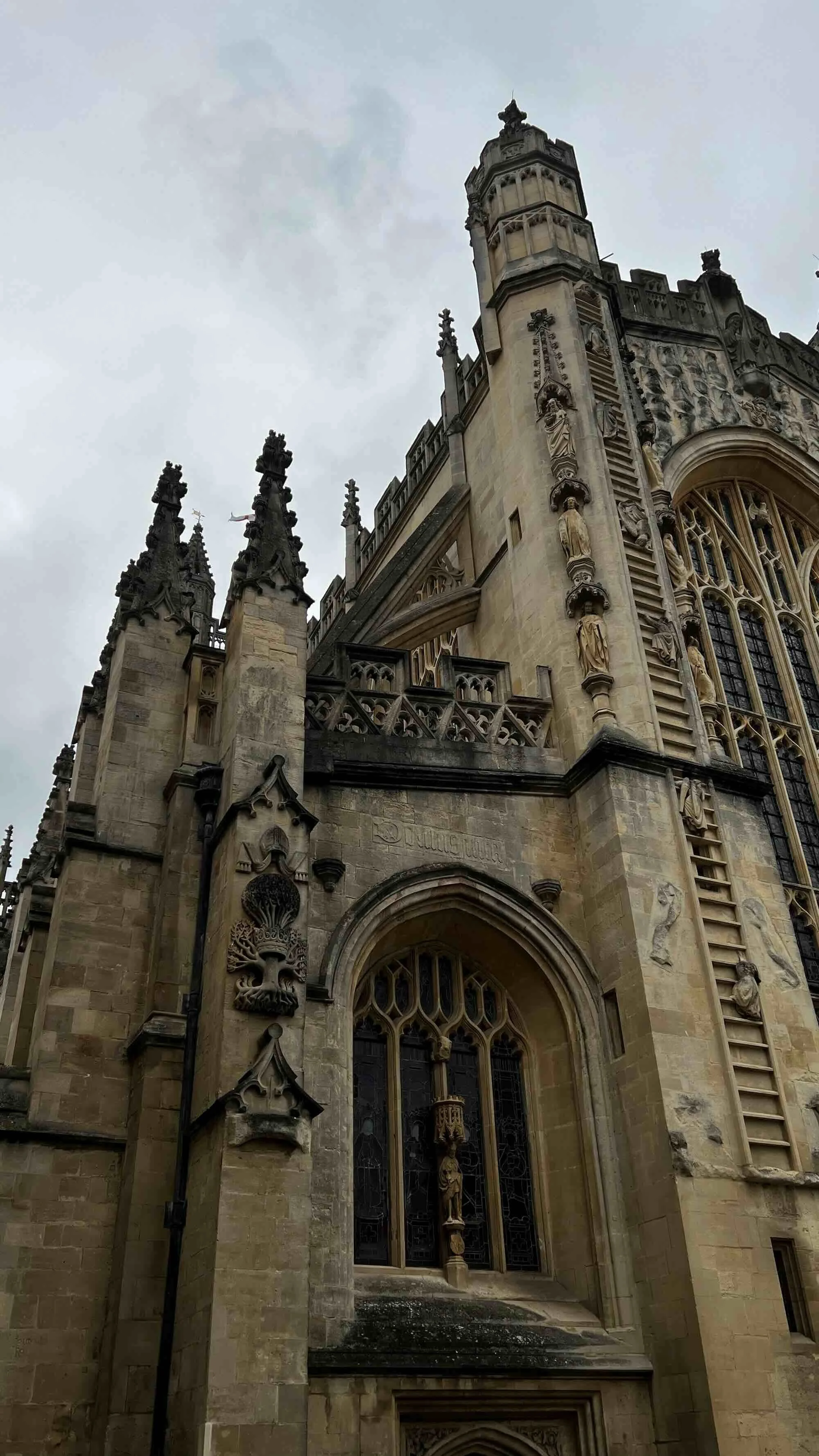
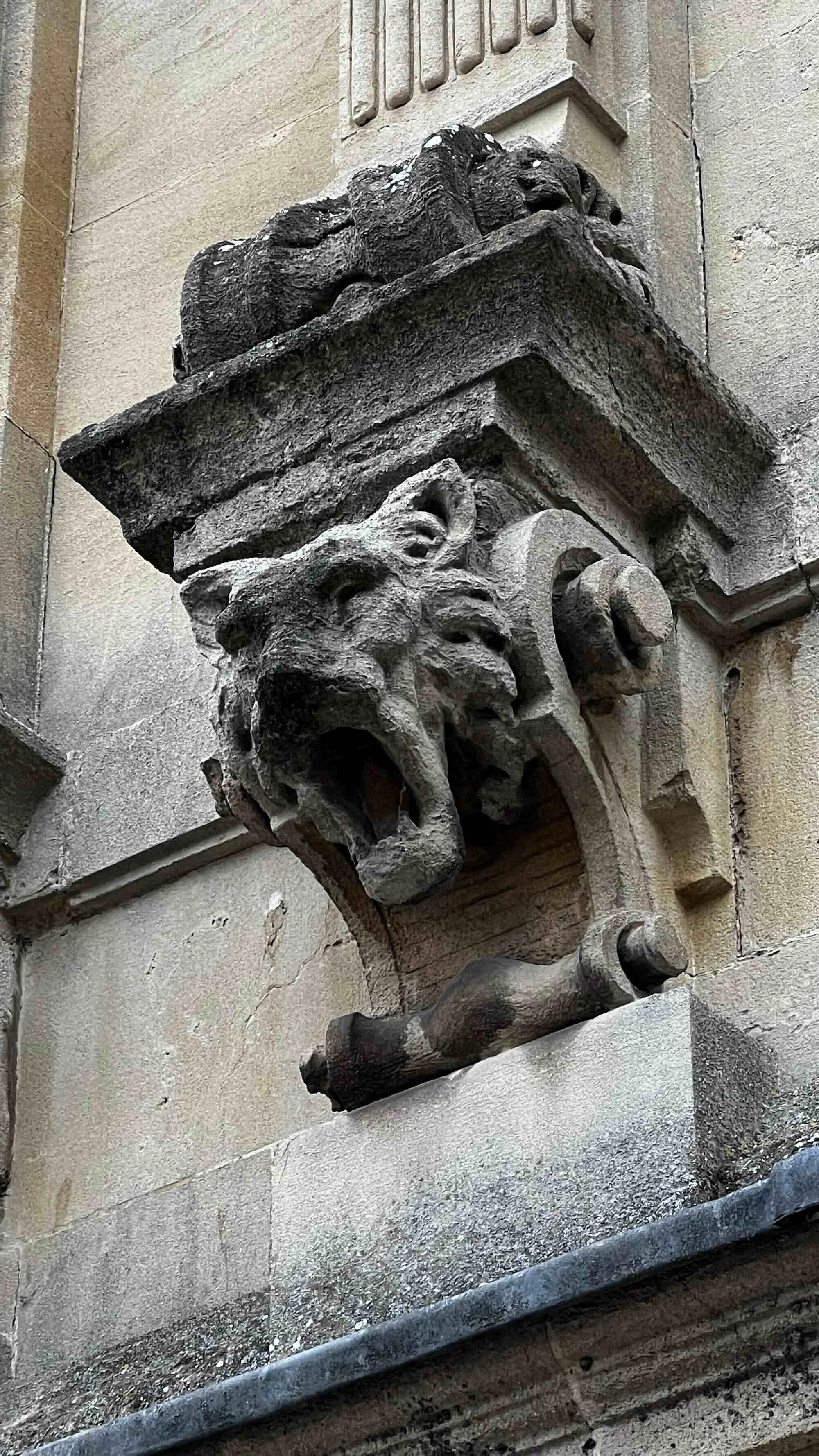
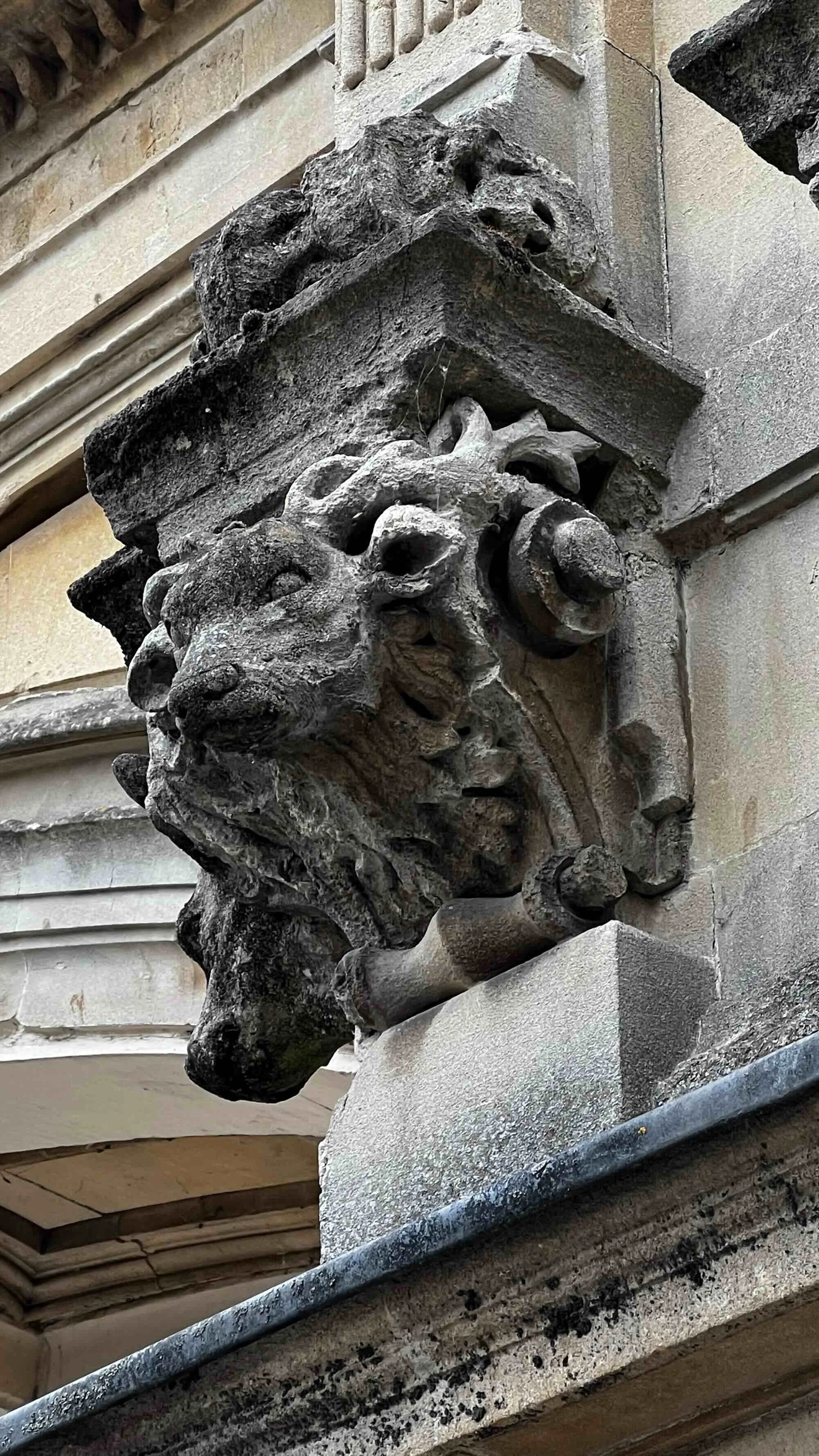
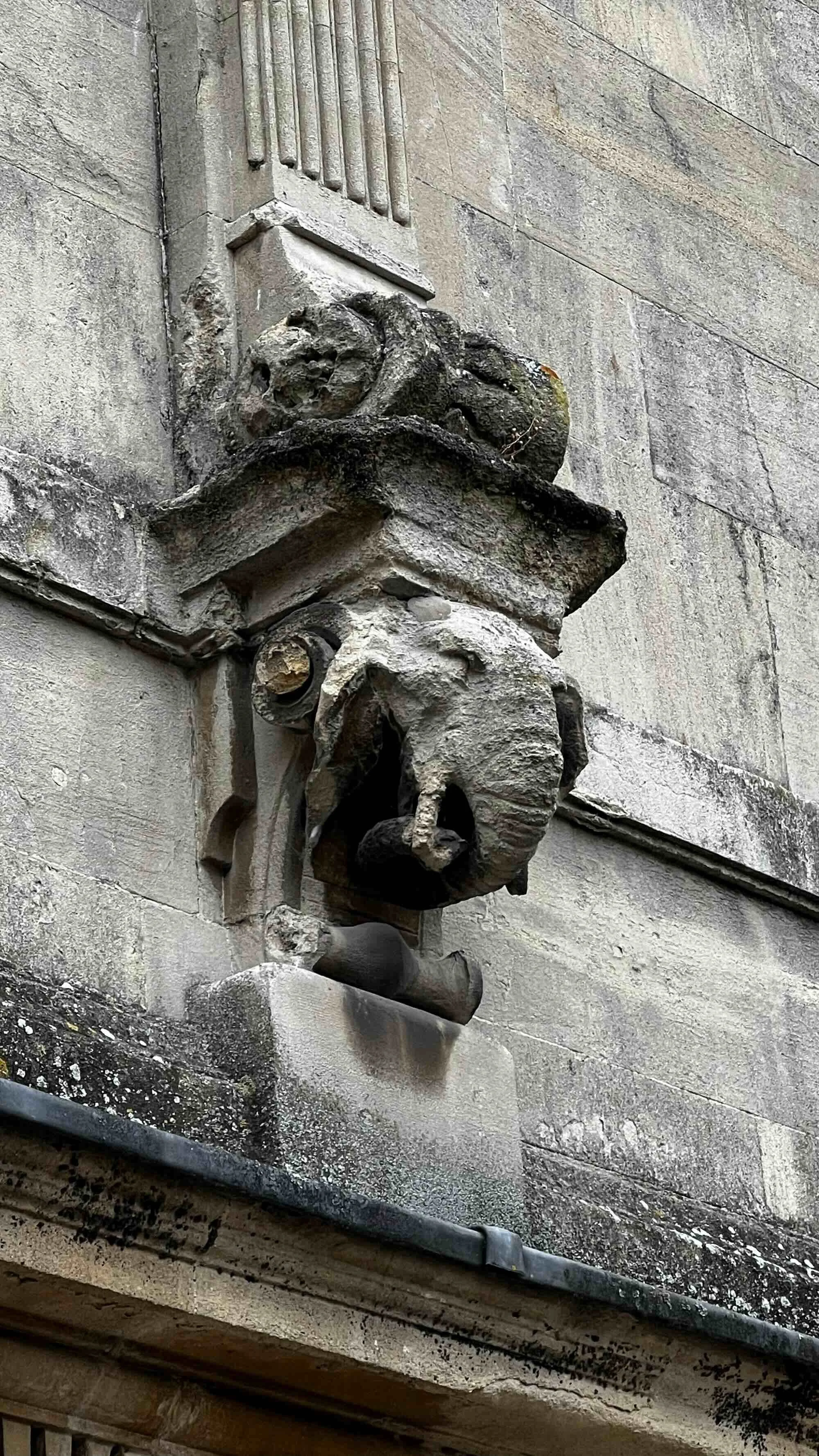
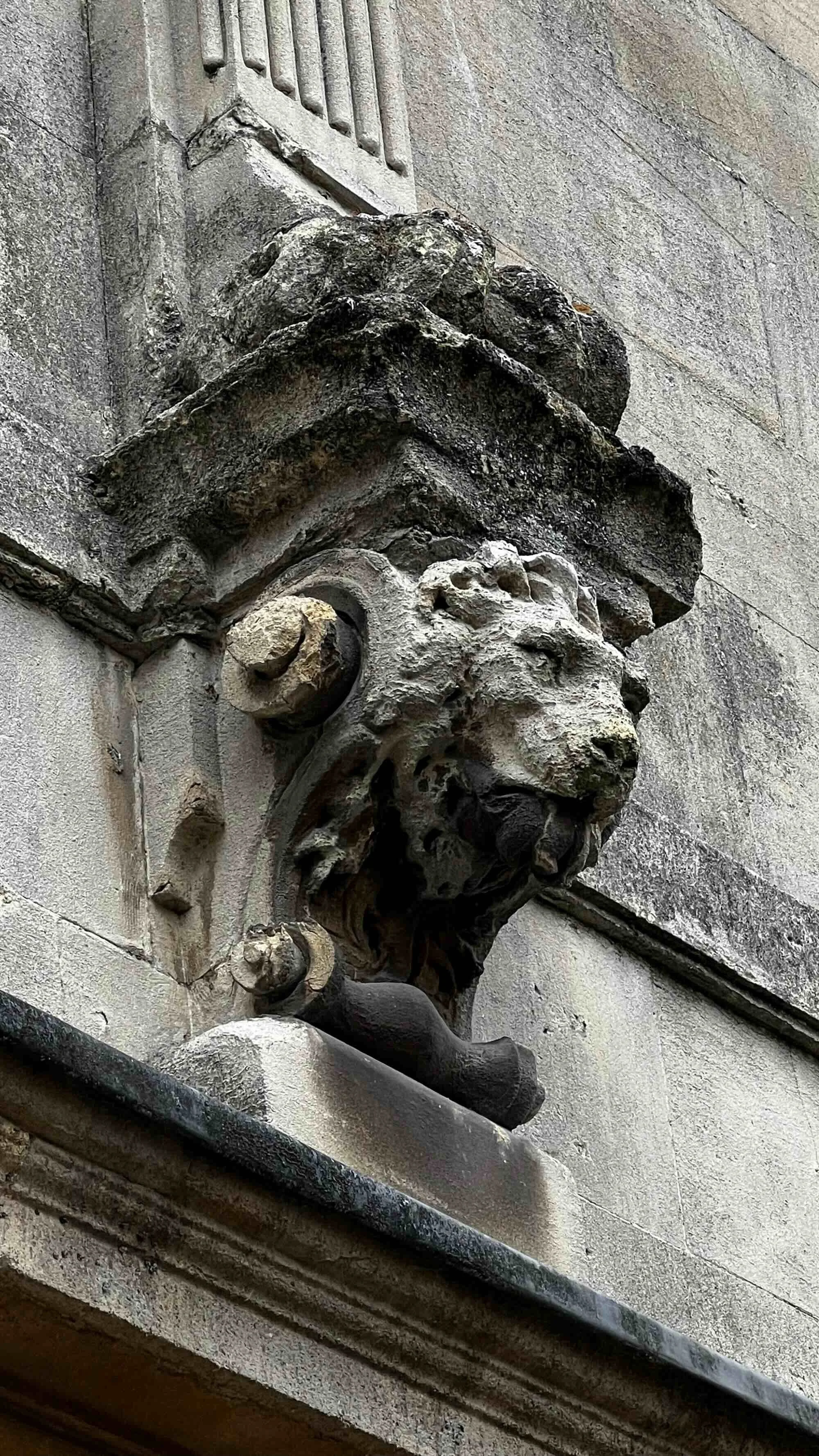
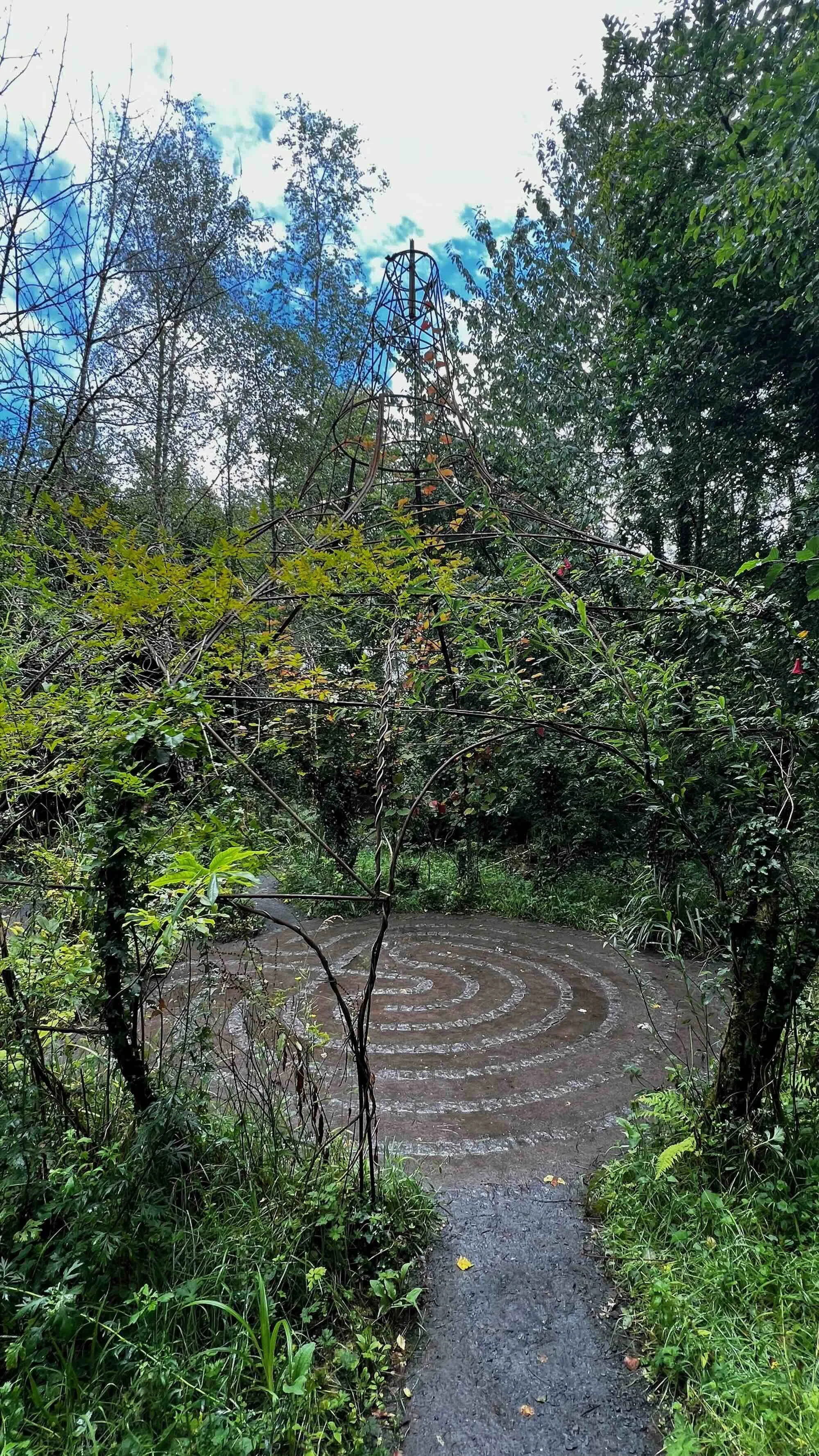
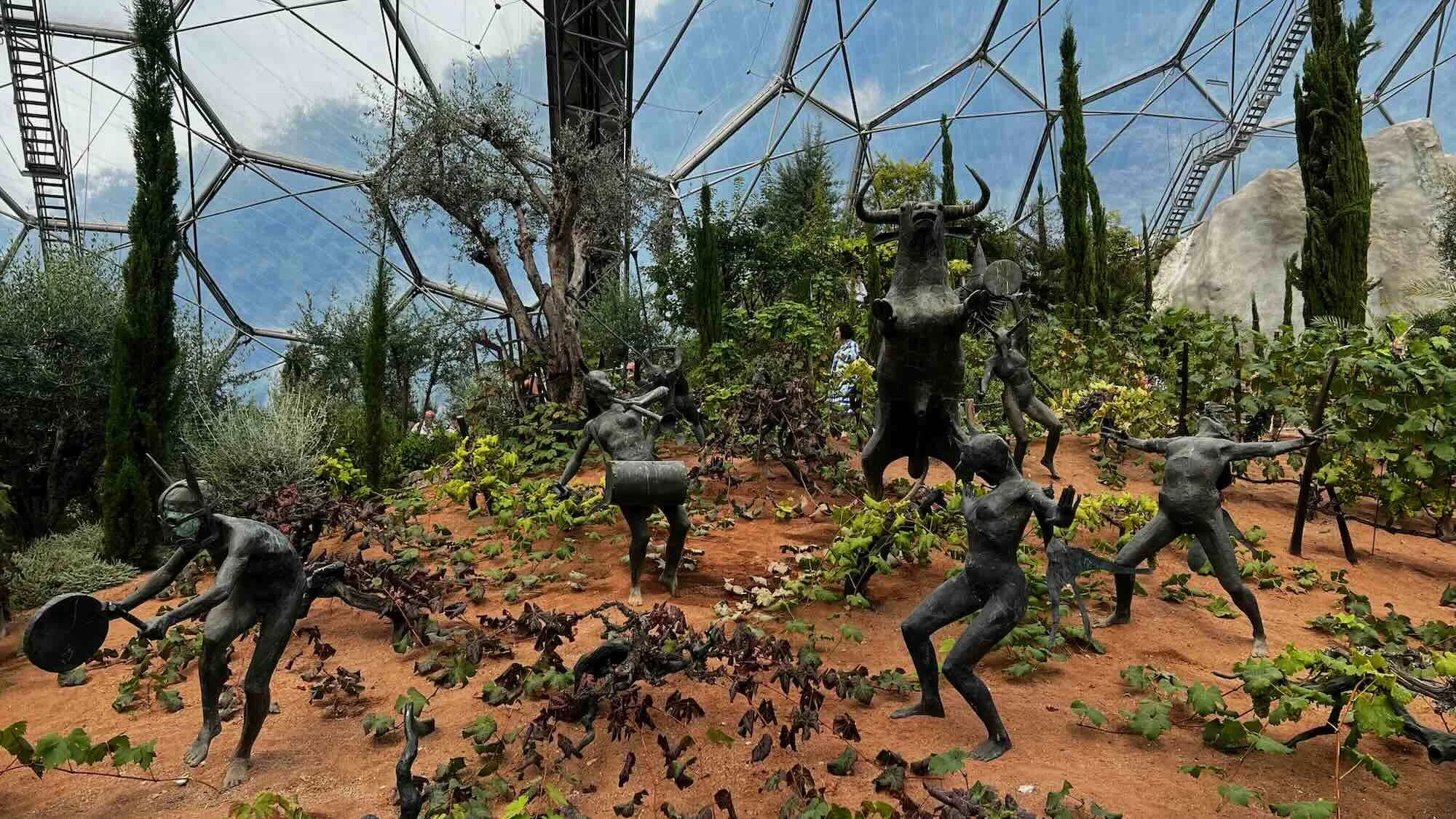
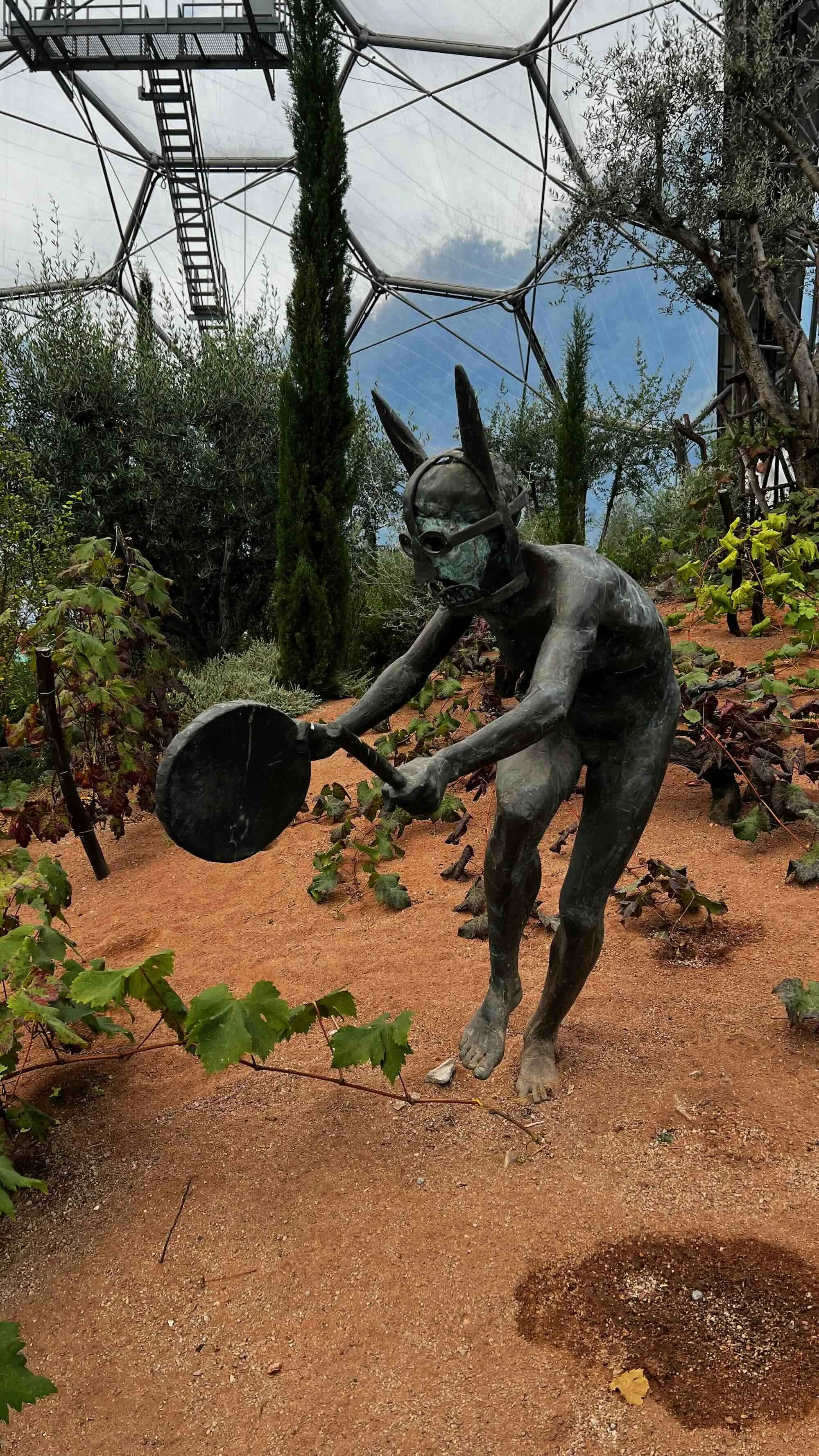
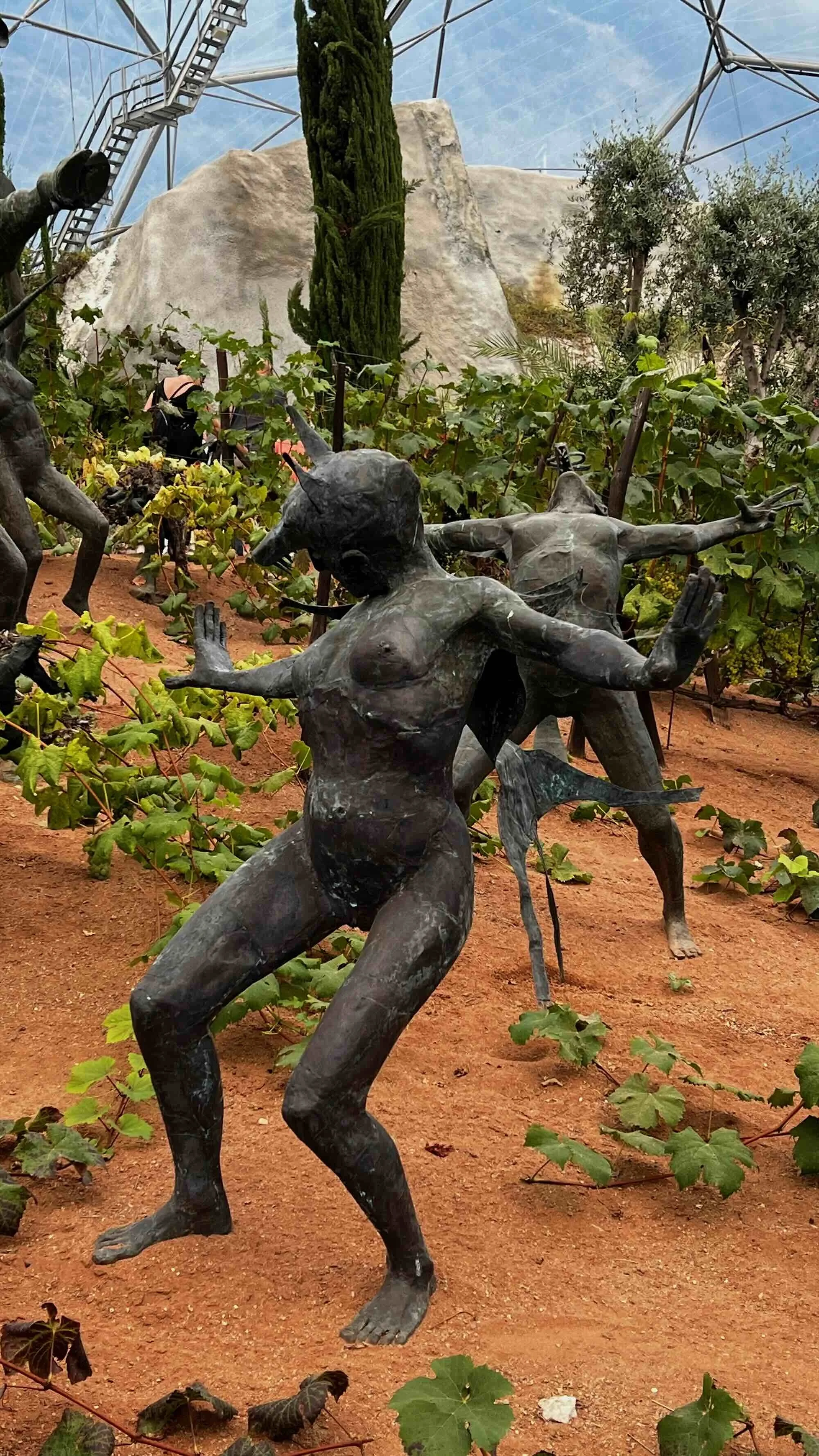
Shenanigans ensued, including driving on the left side of the road (not for the feint of heart!!), singing along to 90s pop rock, and lots of laughter over dice and card games. We wandered gorgeous gardens and quaint English towns, explored the city of Bath, and drank from the ancient spring that once fed the Roman Baths. I held a hawk for the first time, saw the Rites of Dionysus installation at the Eden Project, and wandered through the Lost Gardens of Heligan. Below are photos capturing some of my favorite memories from the trip.
I spend a lot of time thinking about place: how our environment shapes us, and how we in turn shape our environments. And it always strikes me, when I’m in the UK, that I’m treading on land my maternal ancestors called home, and how that ancestry still sings in my blood. My great-great-grandparents were from York, and many of my great-great-great-greats were immigrants from England, northern Ireland, and Scotland.
And while this blog is primarily about Greece, I can’t ignore the affinity I feel to the Isles, how walking amidst the trees, vines, moss, and lush green of that rolling landscape has always felt like a second home. If I couldn’t live in the Mediterranean, I would love to live in the UK. And I wonder sometimes if that’s why I’m so drawn to this area of Epirus: the frequent rains, rushing rivers, green forests, and Celtic-like music of the region sing not only to the Greek in my blood, but also to the part of me that comes from the Isles.
The Lost Gardens of Heligan
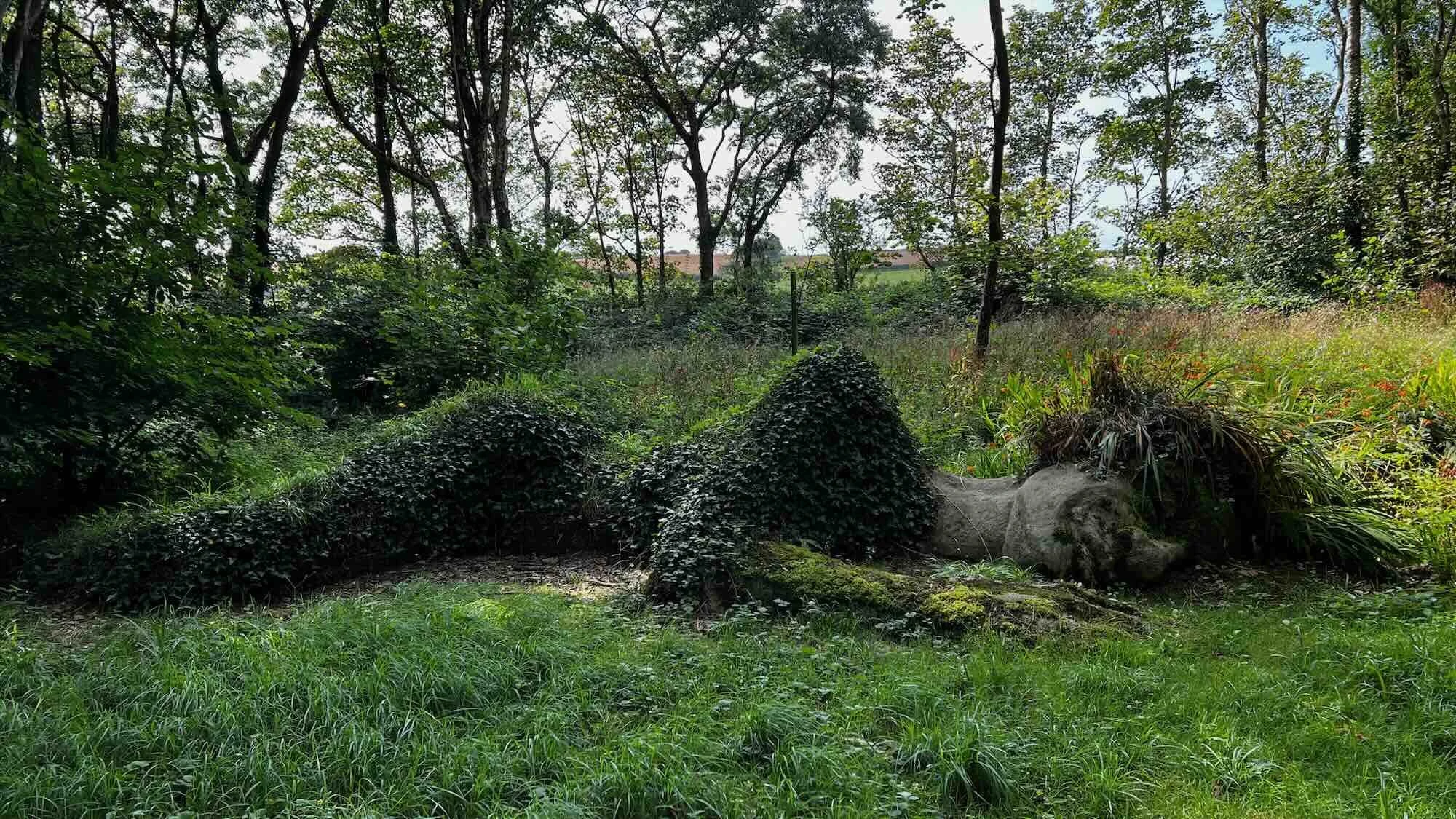
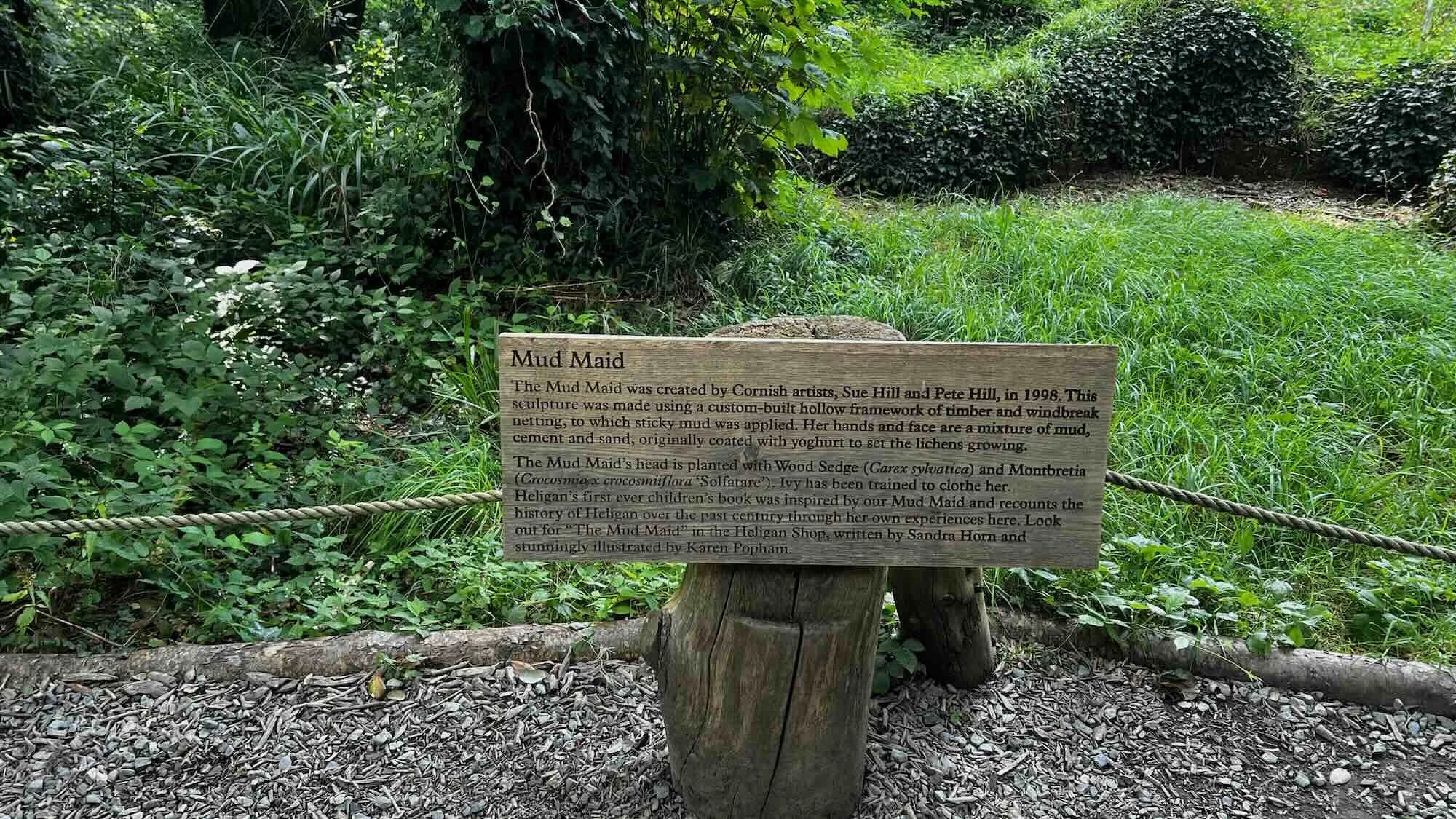
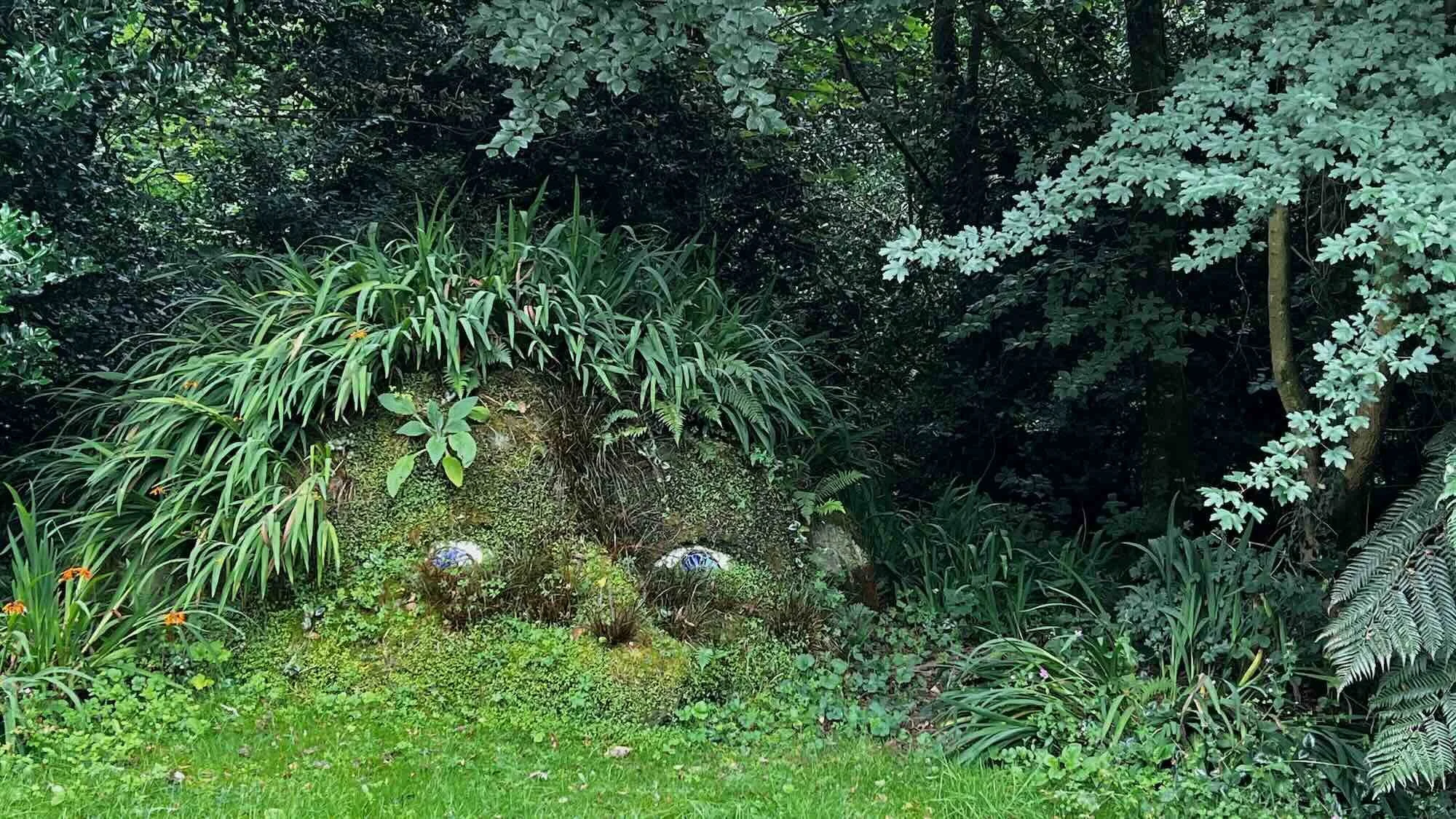
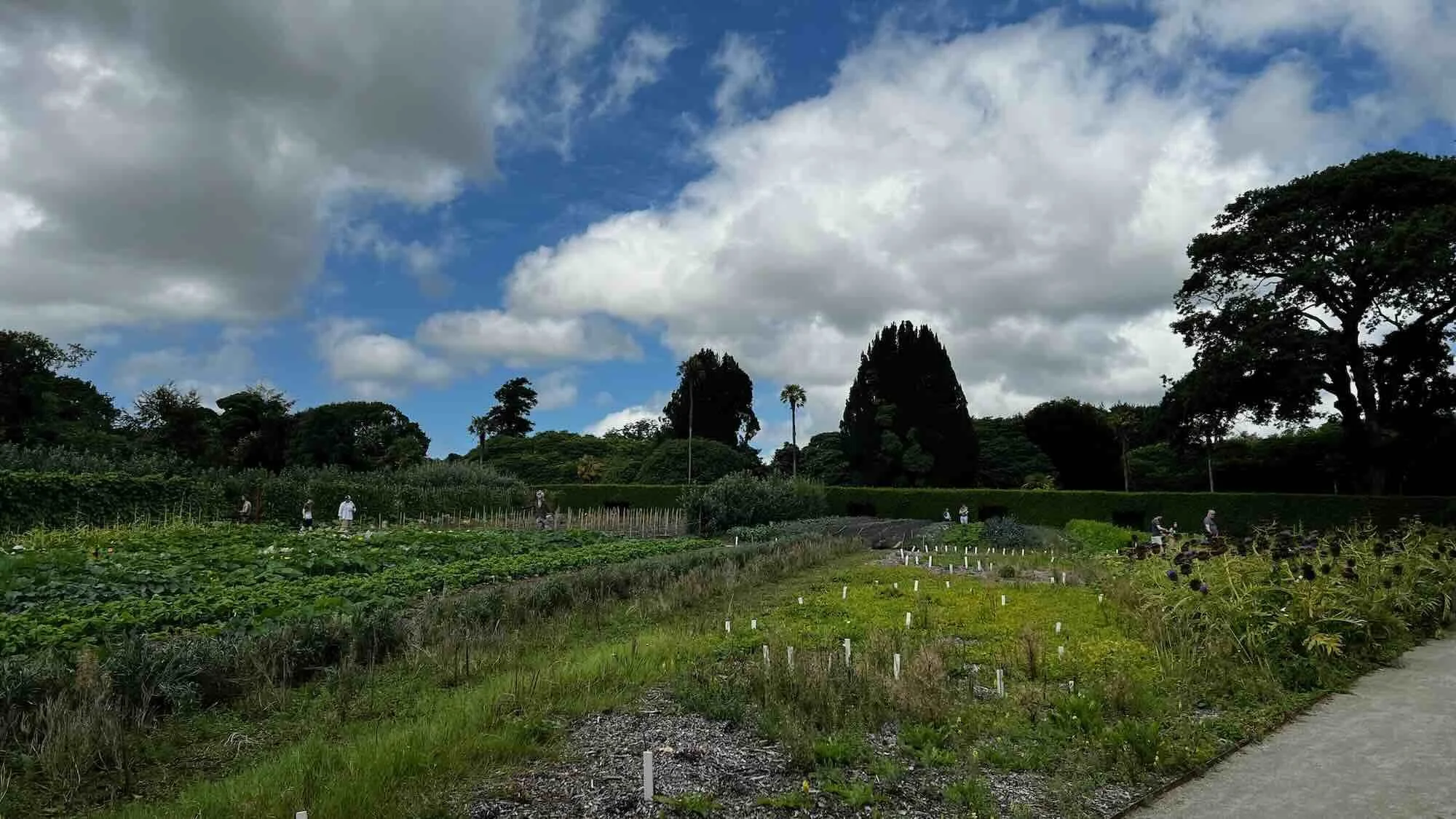
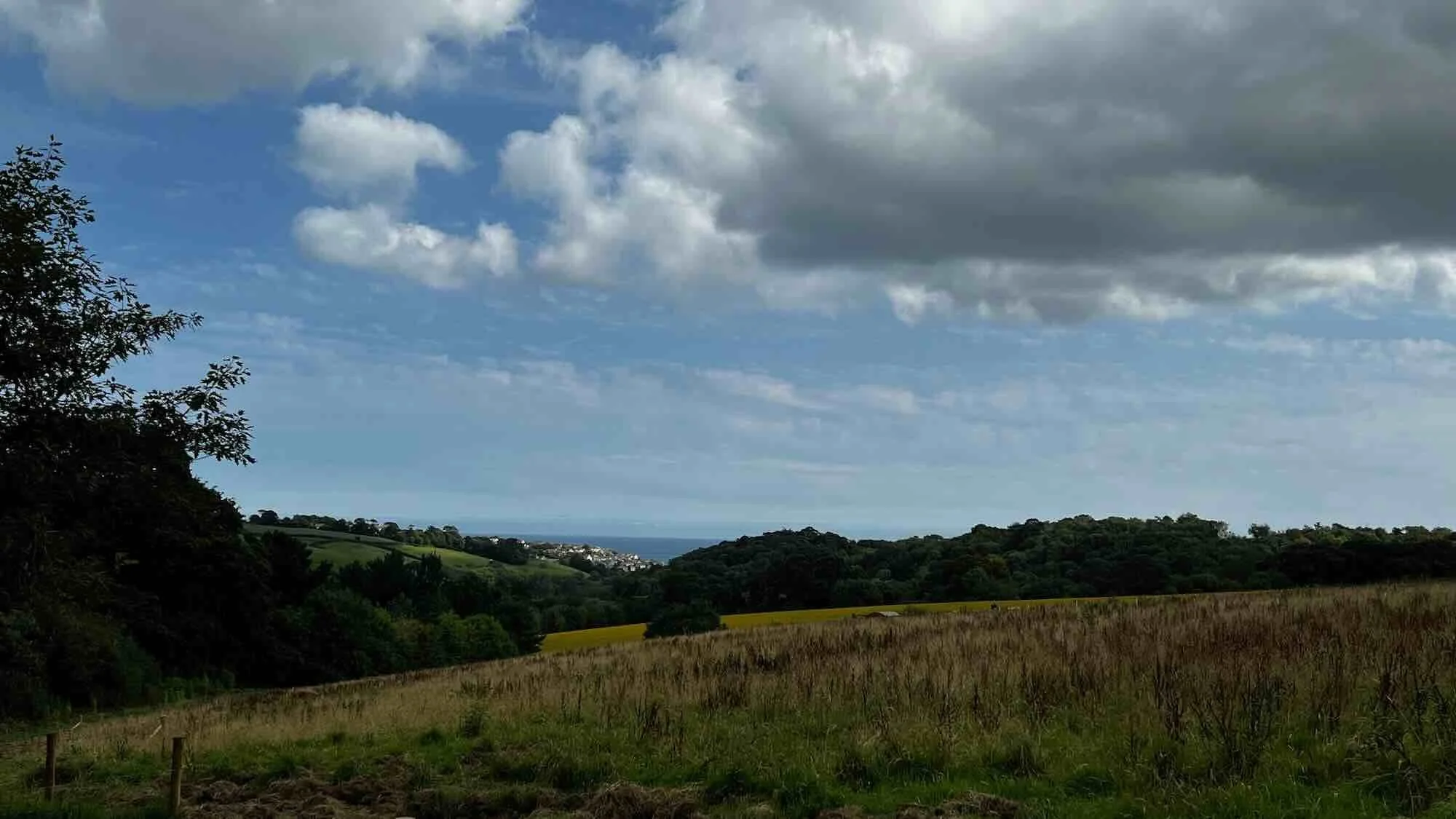
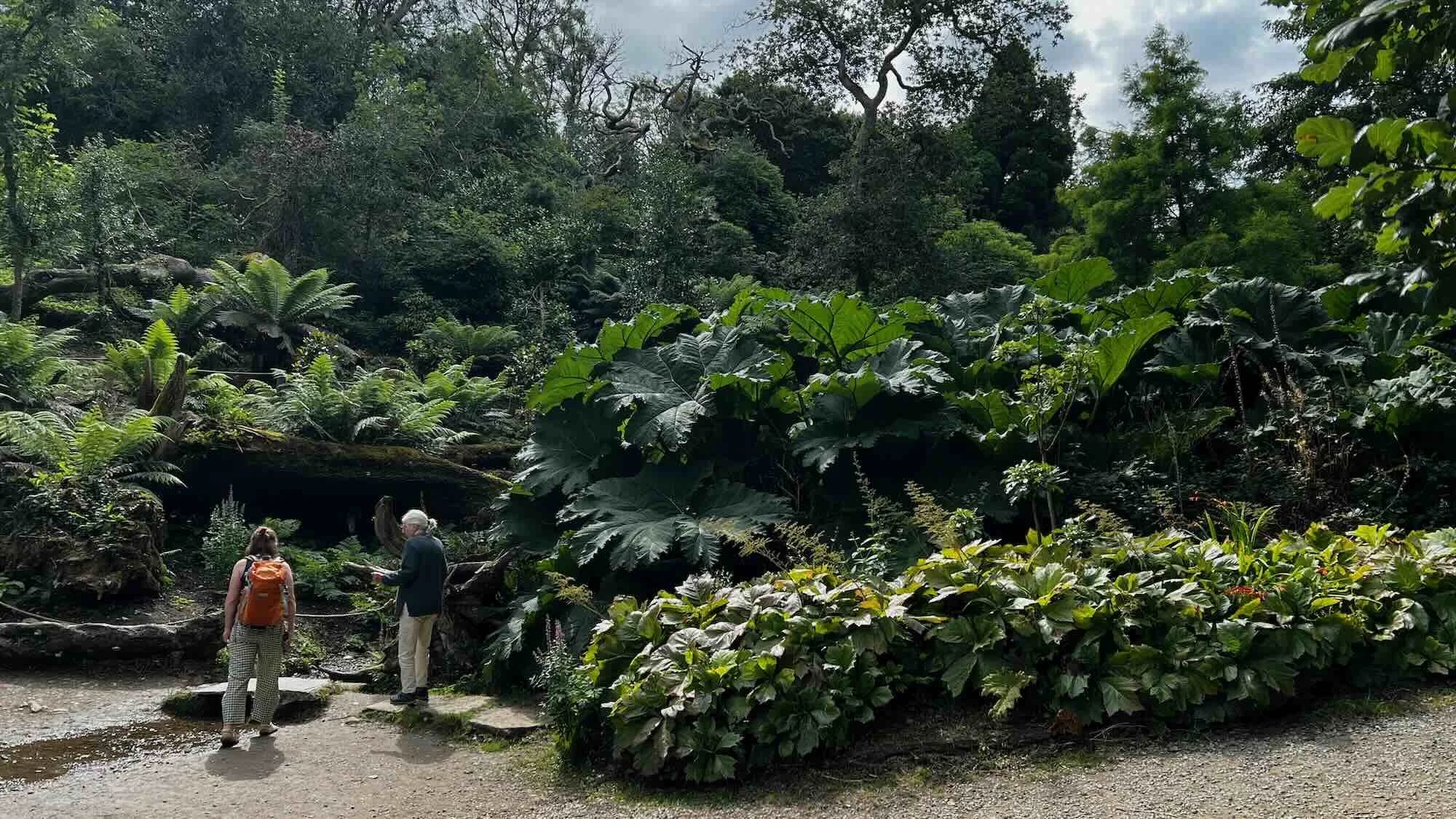
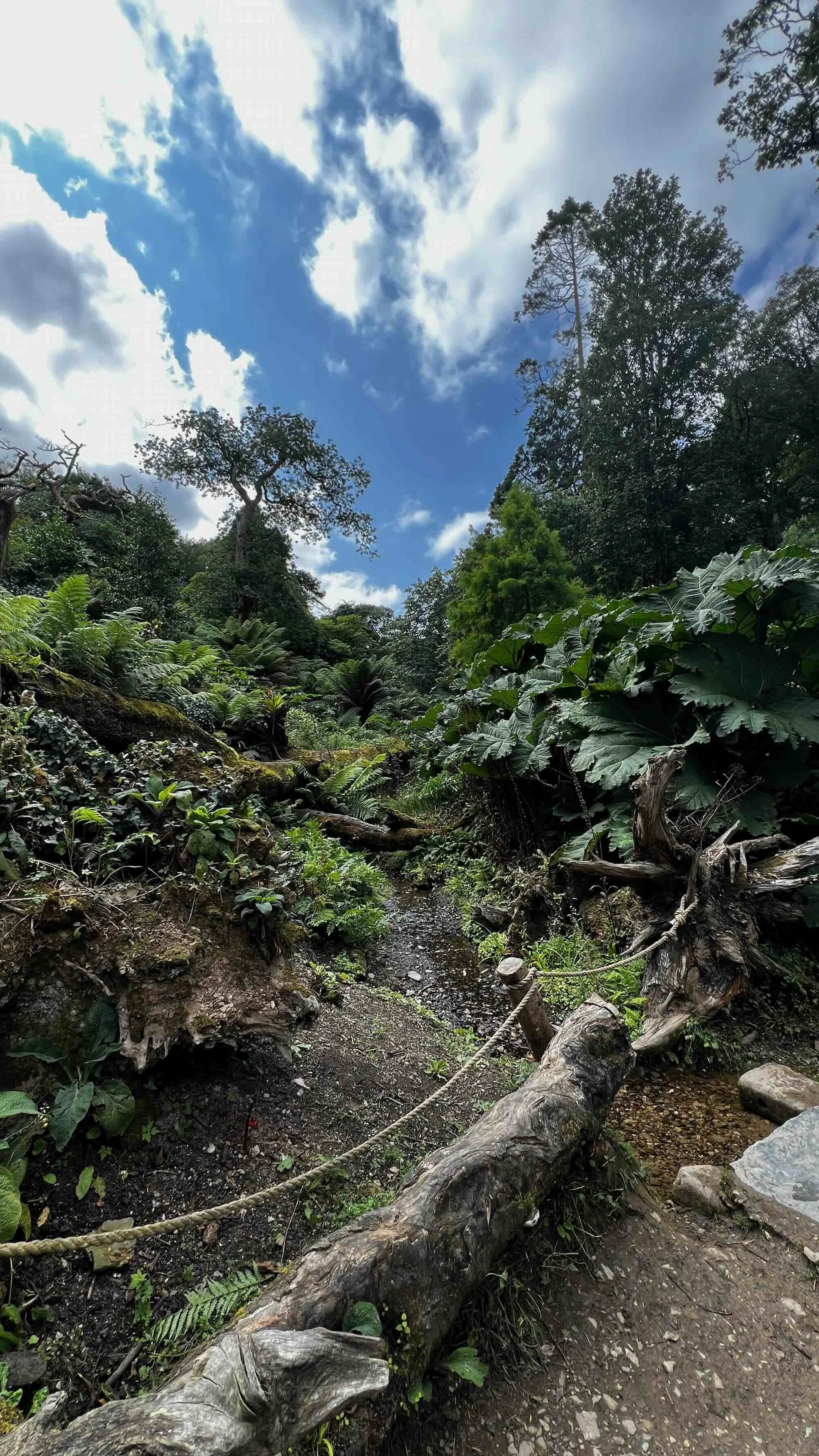
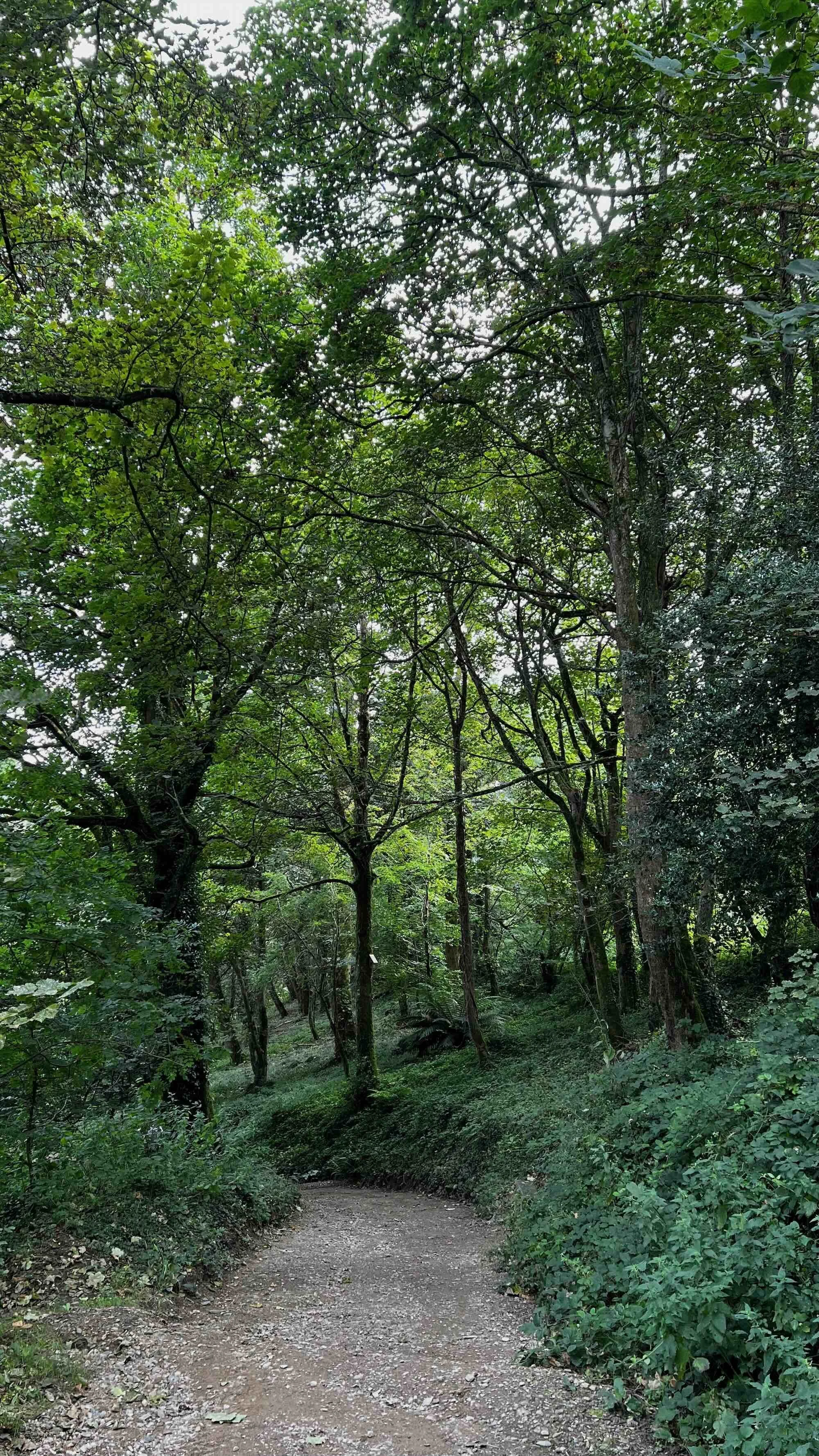
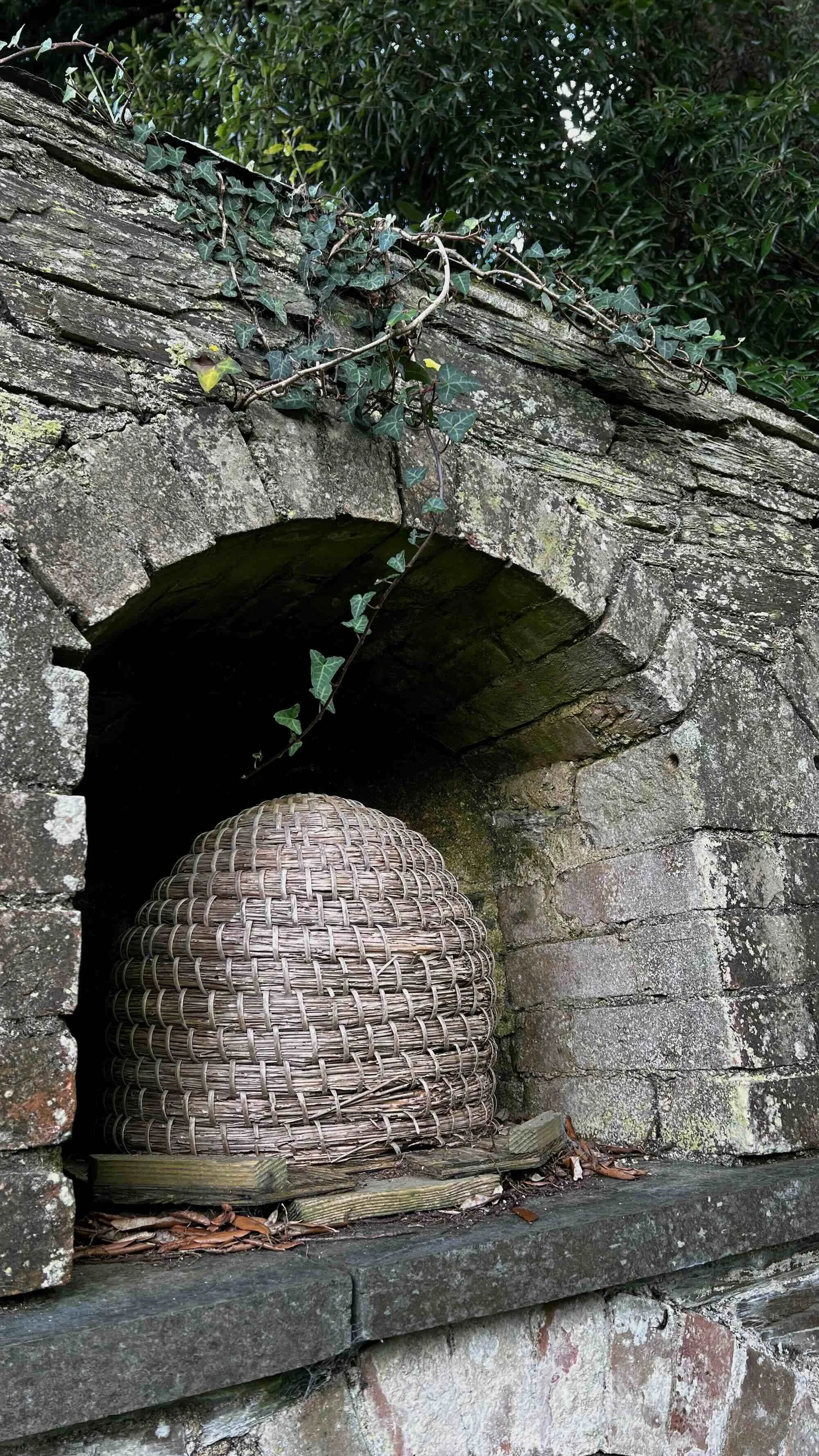
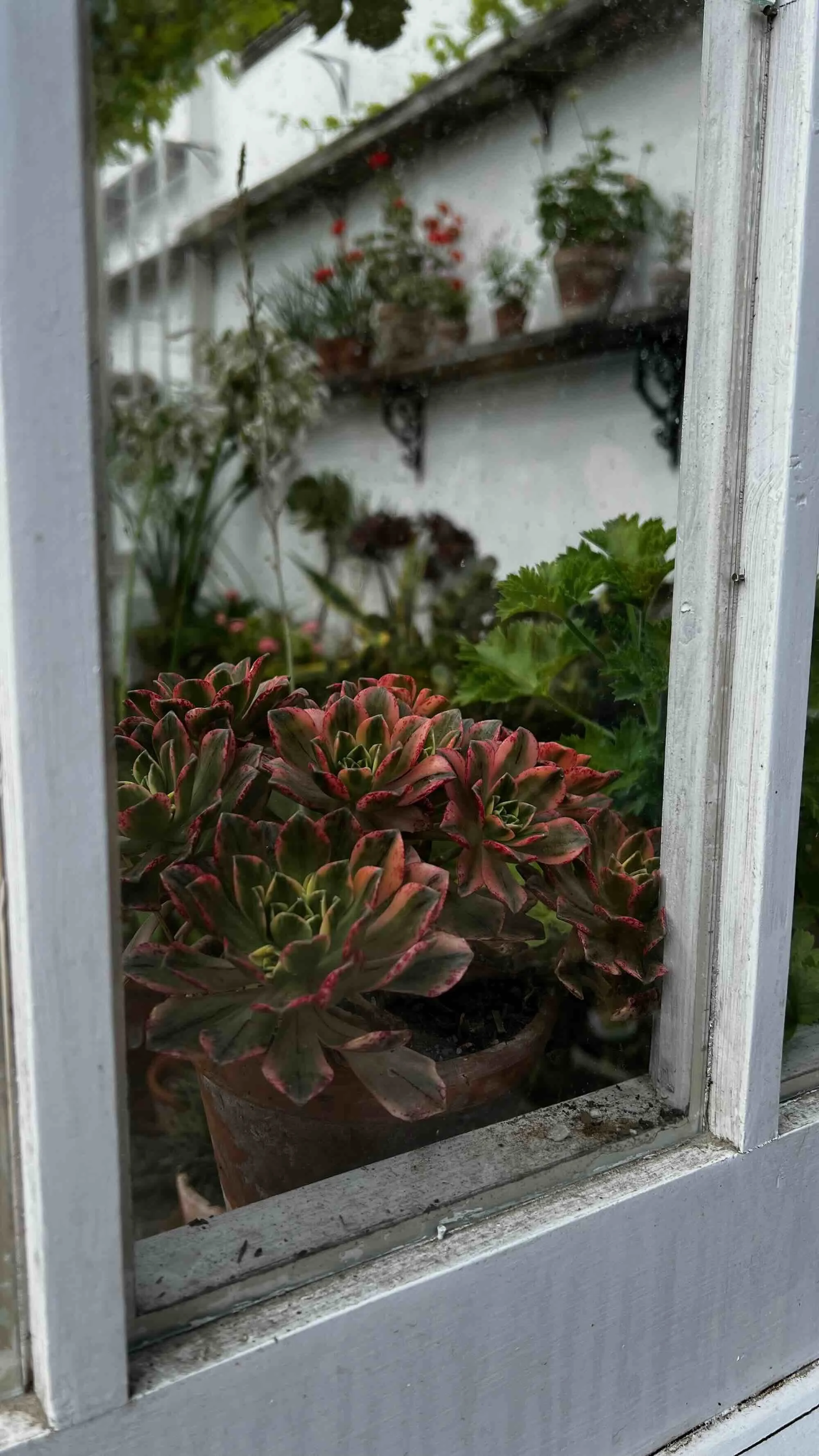
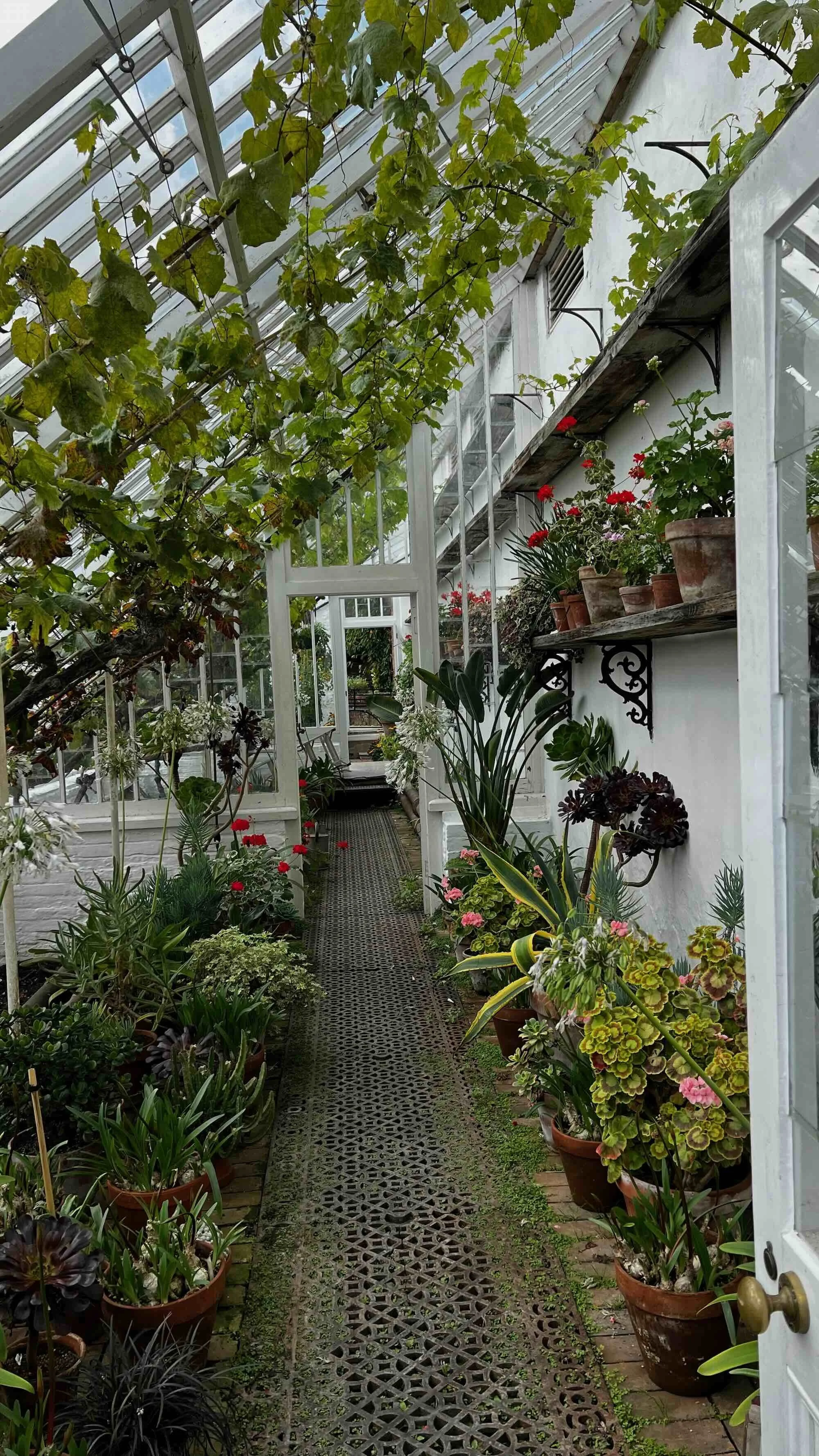
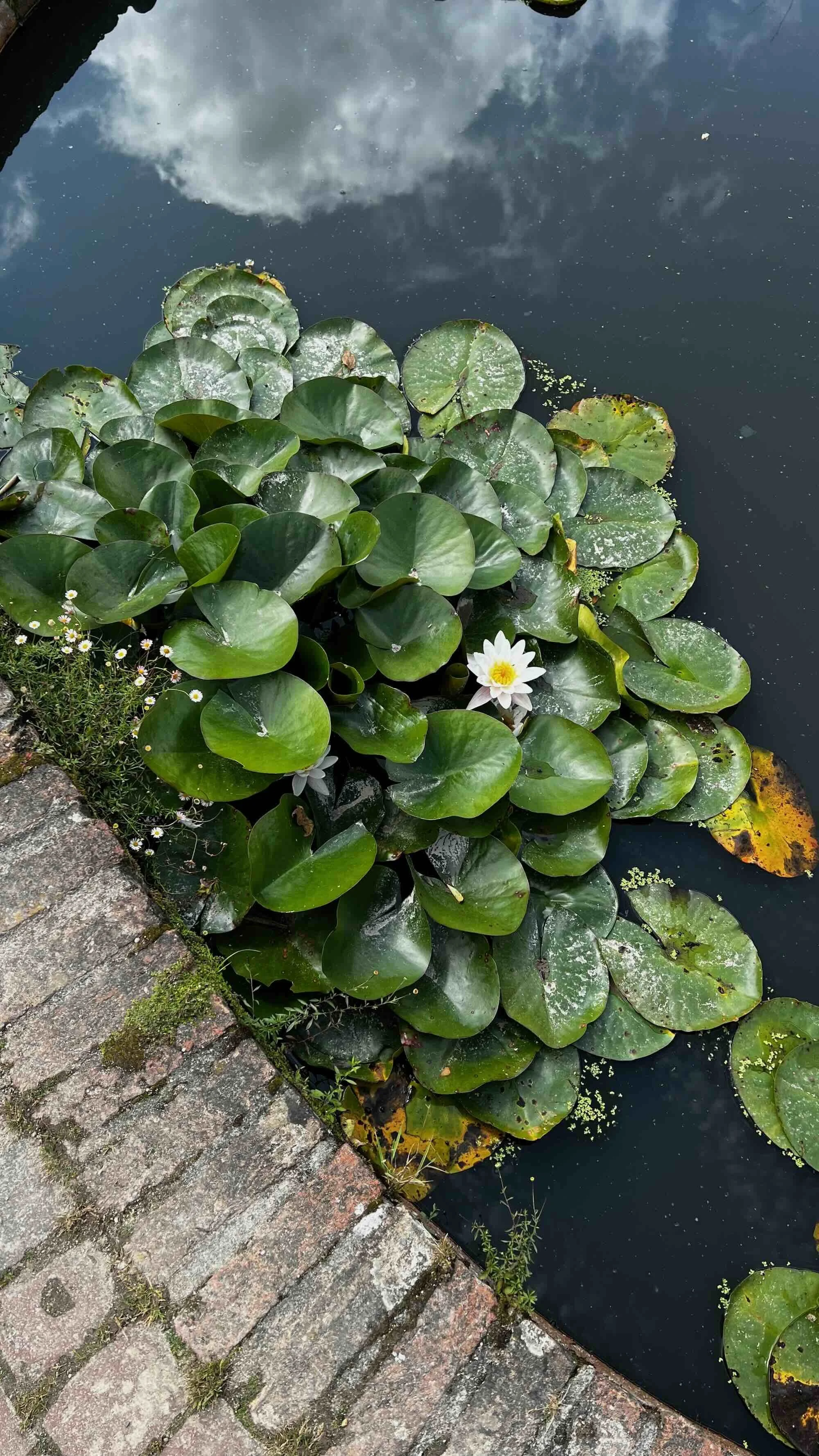
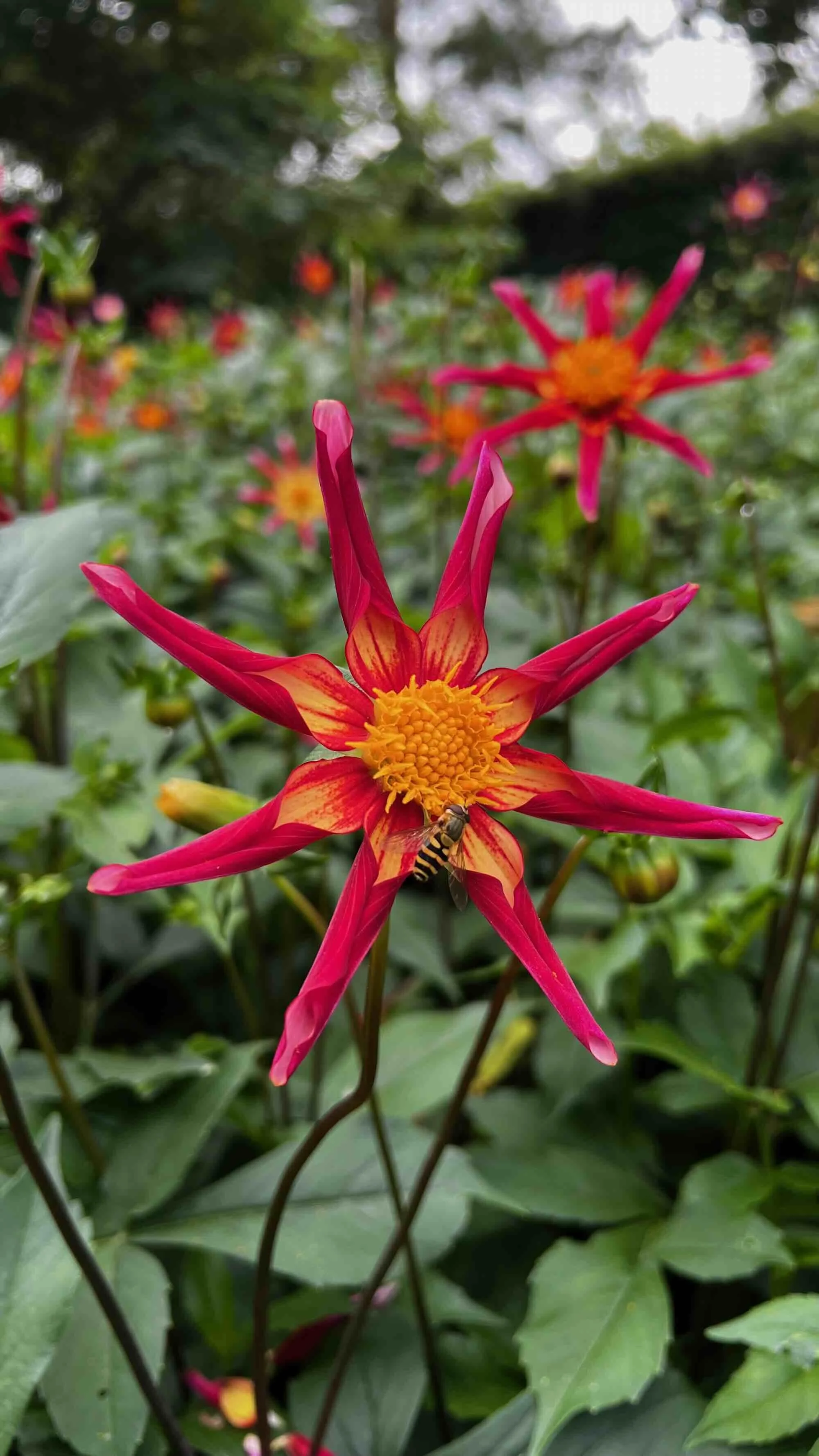
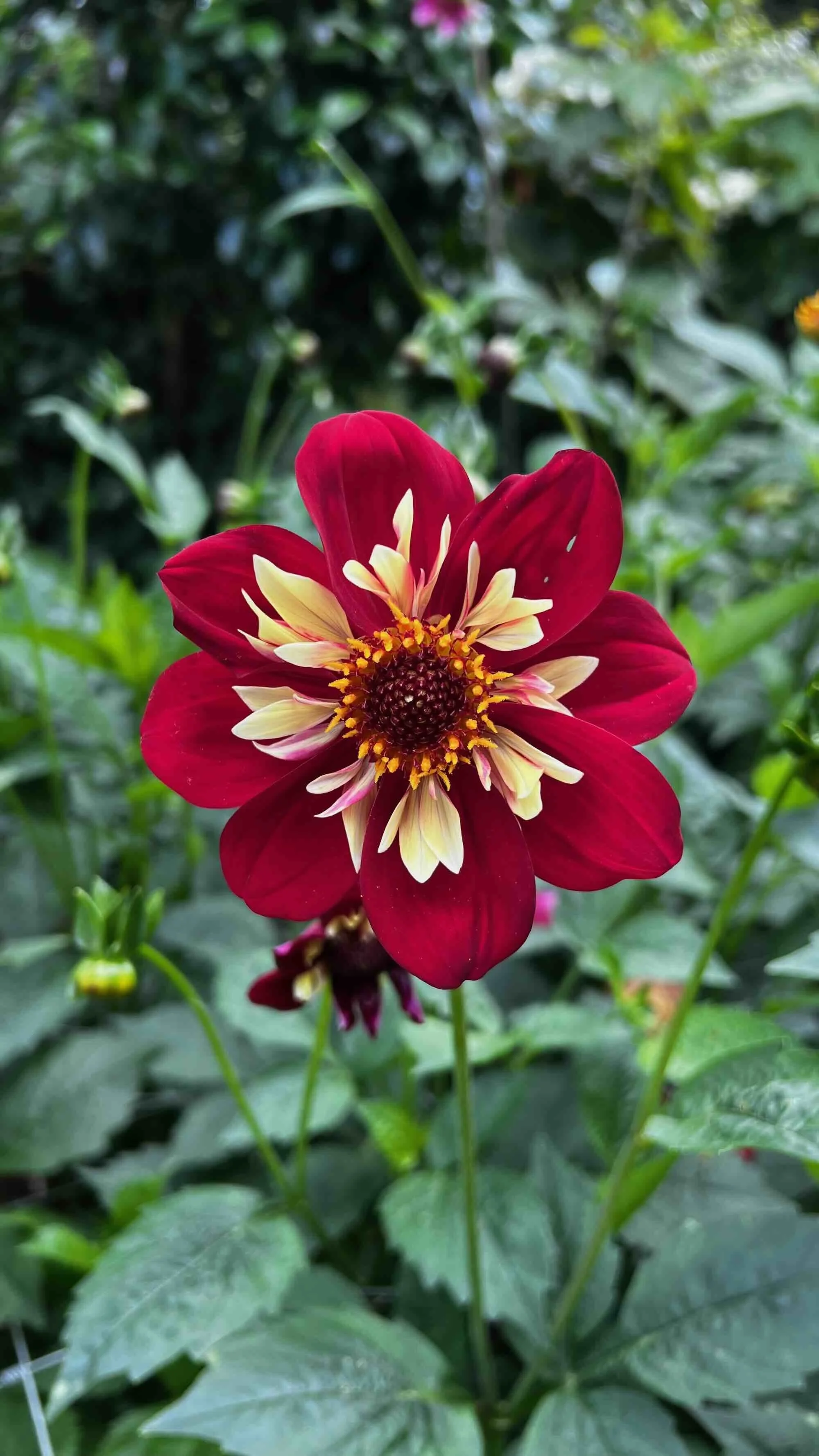
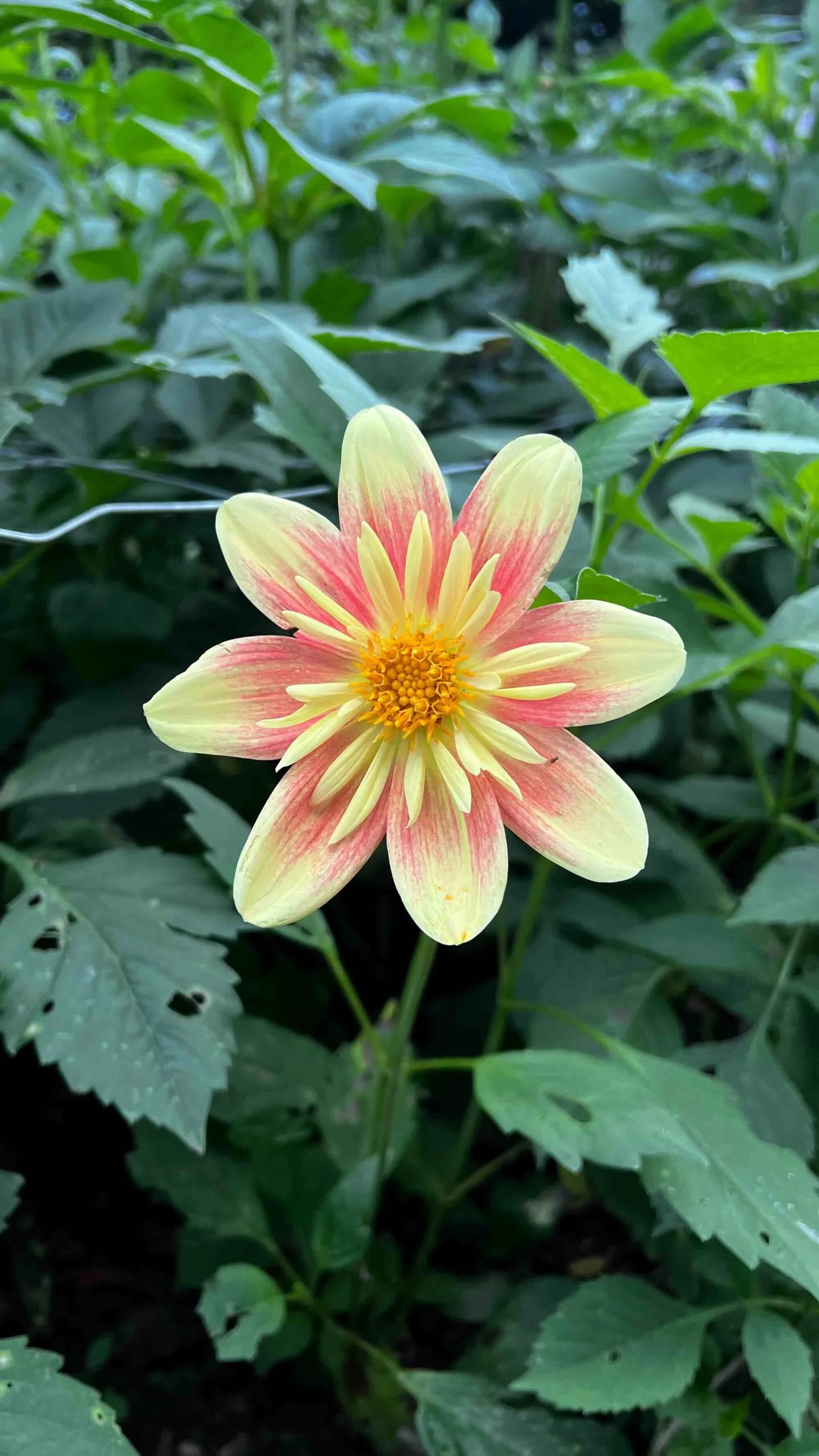
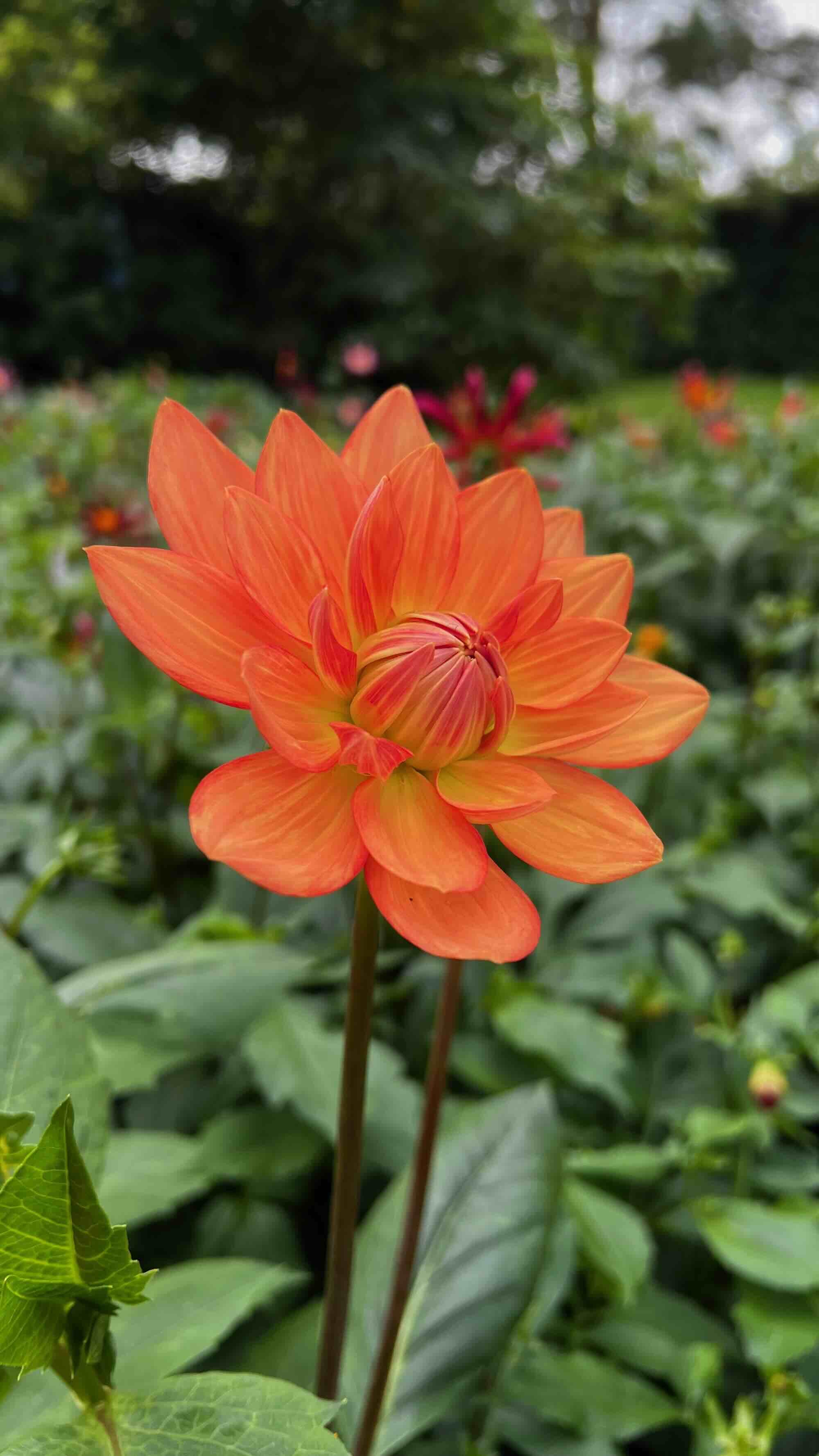
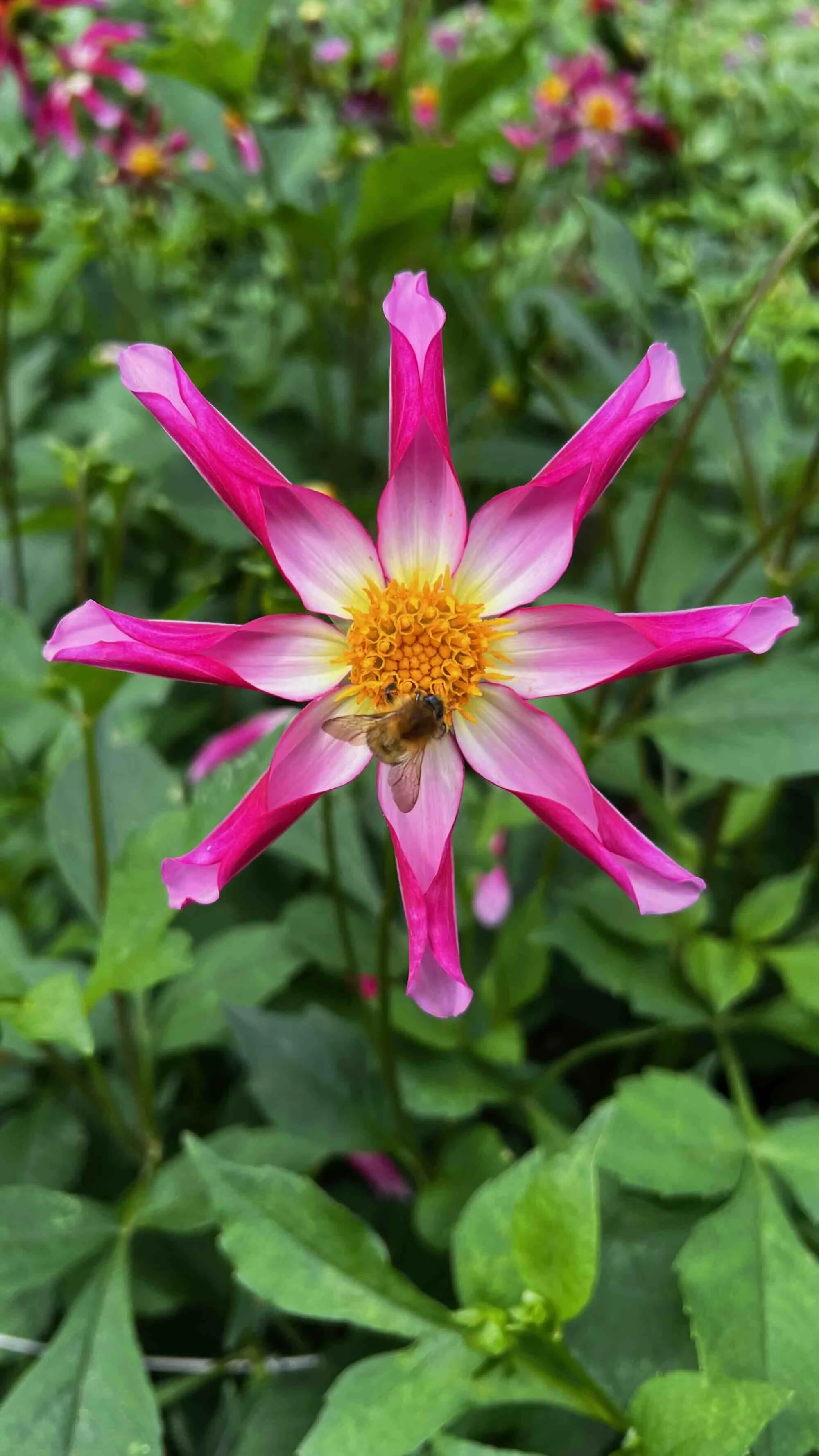
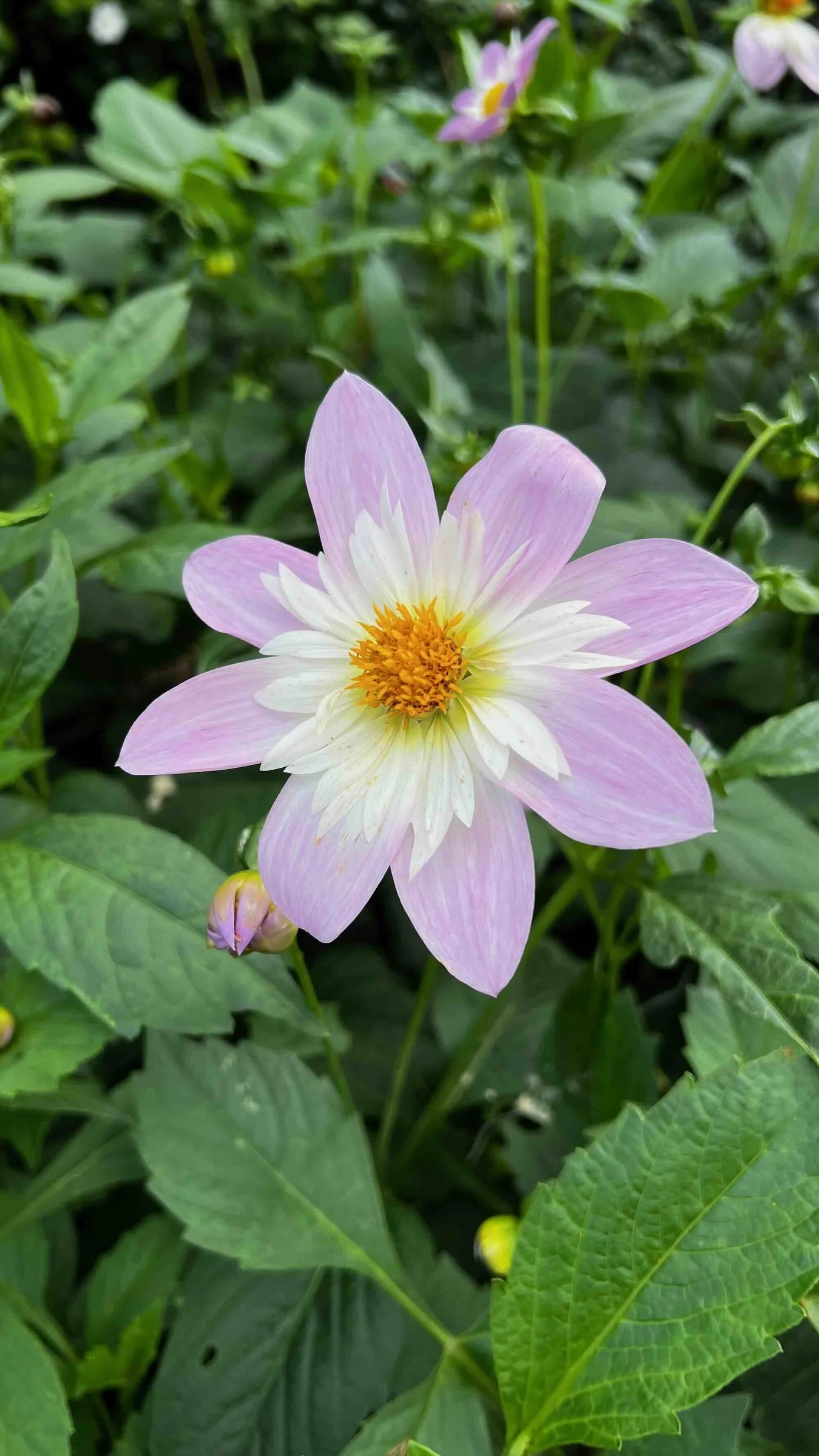
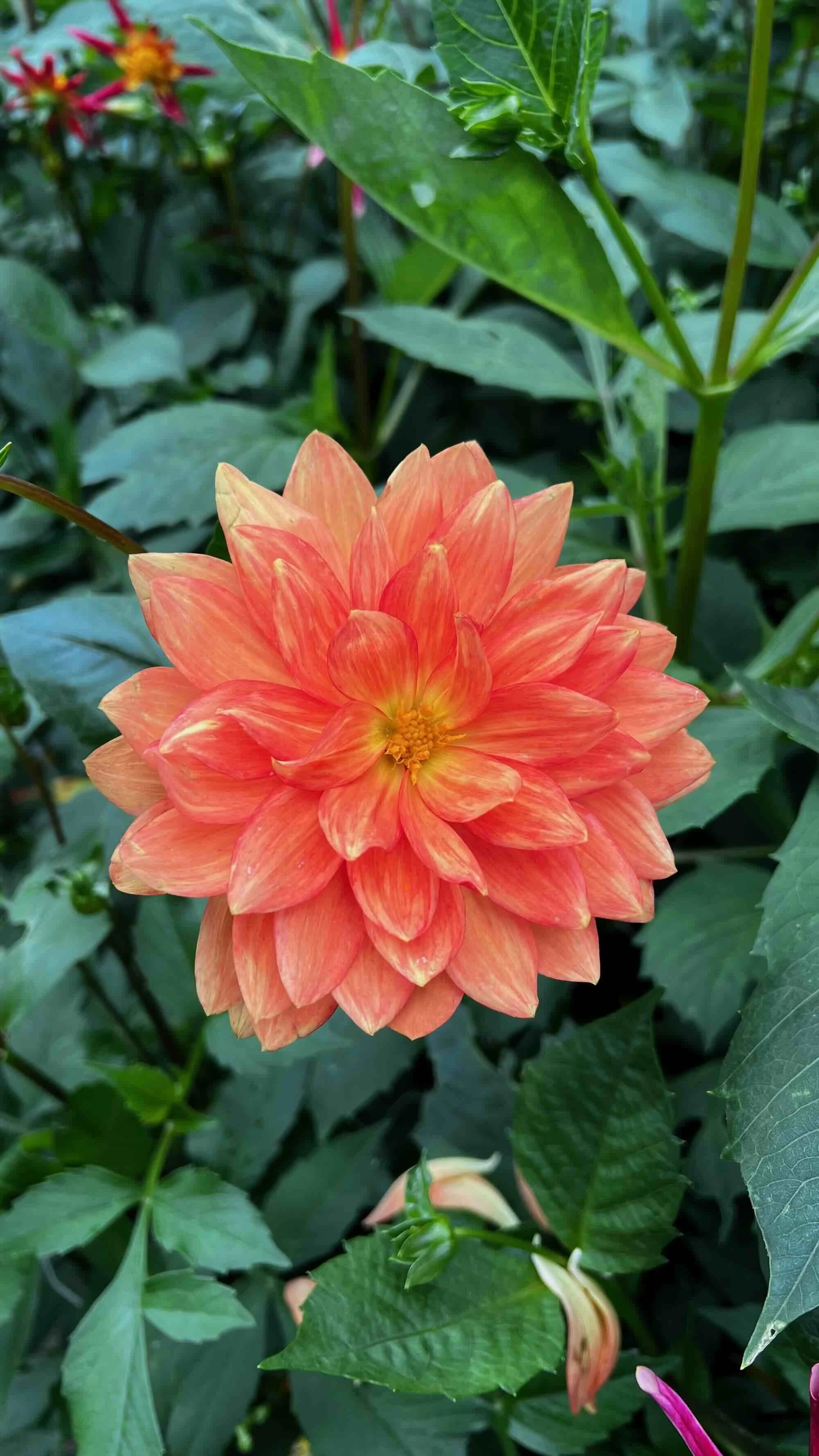
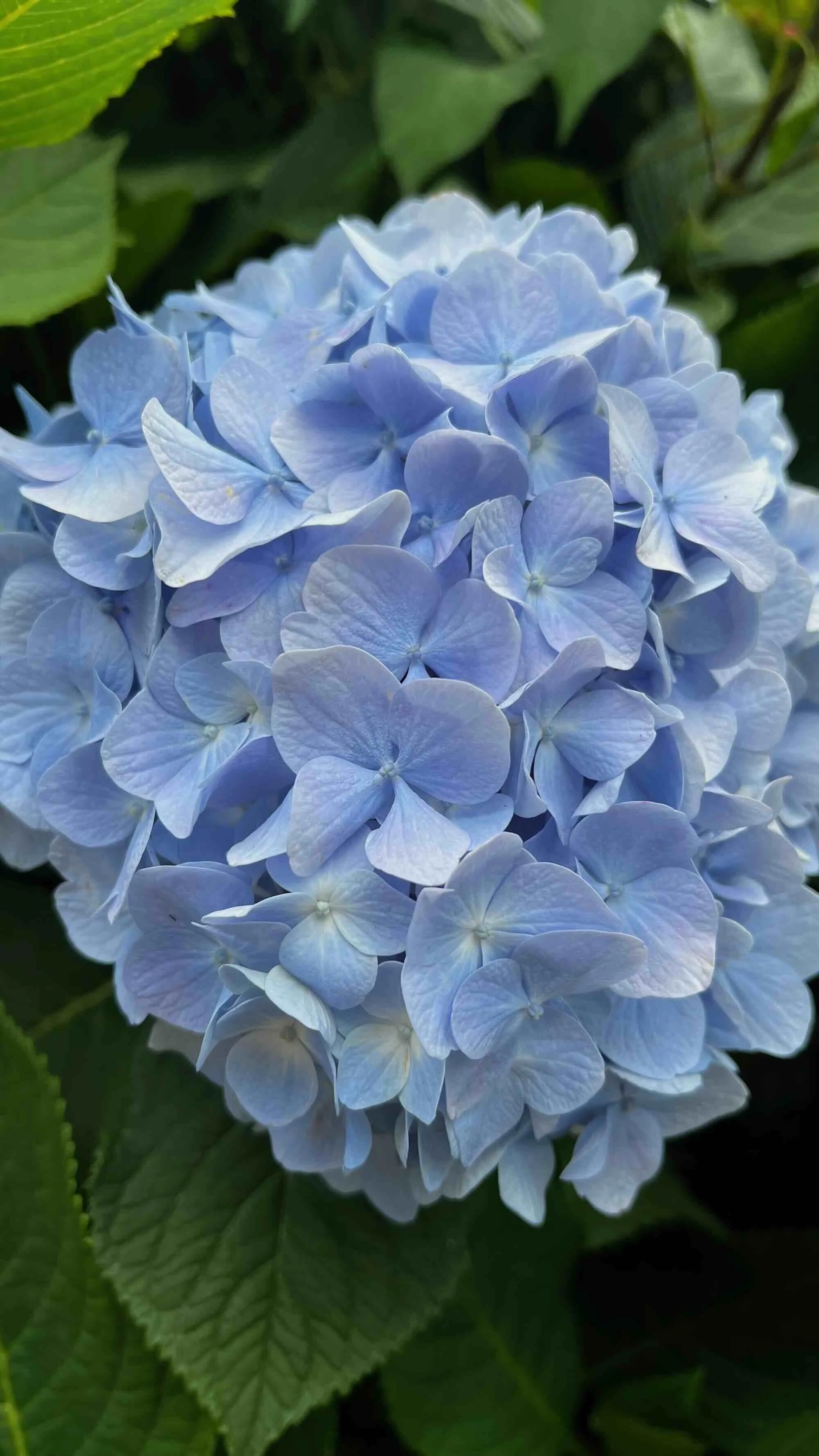
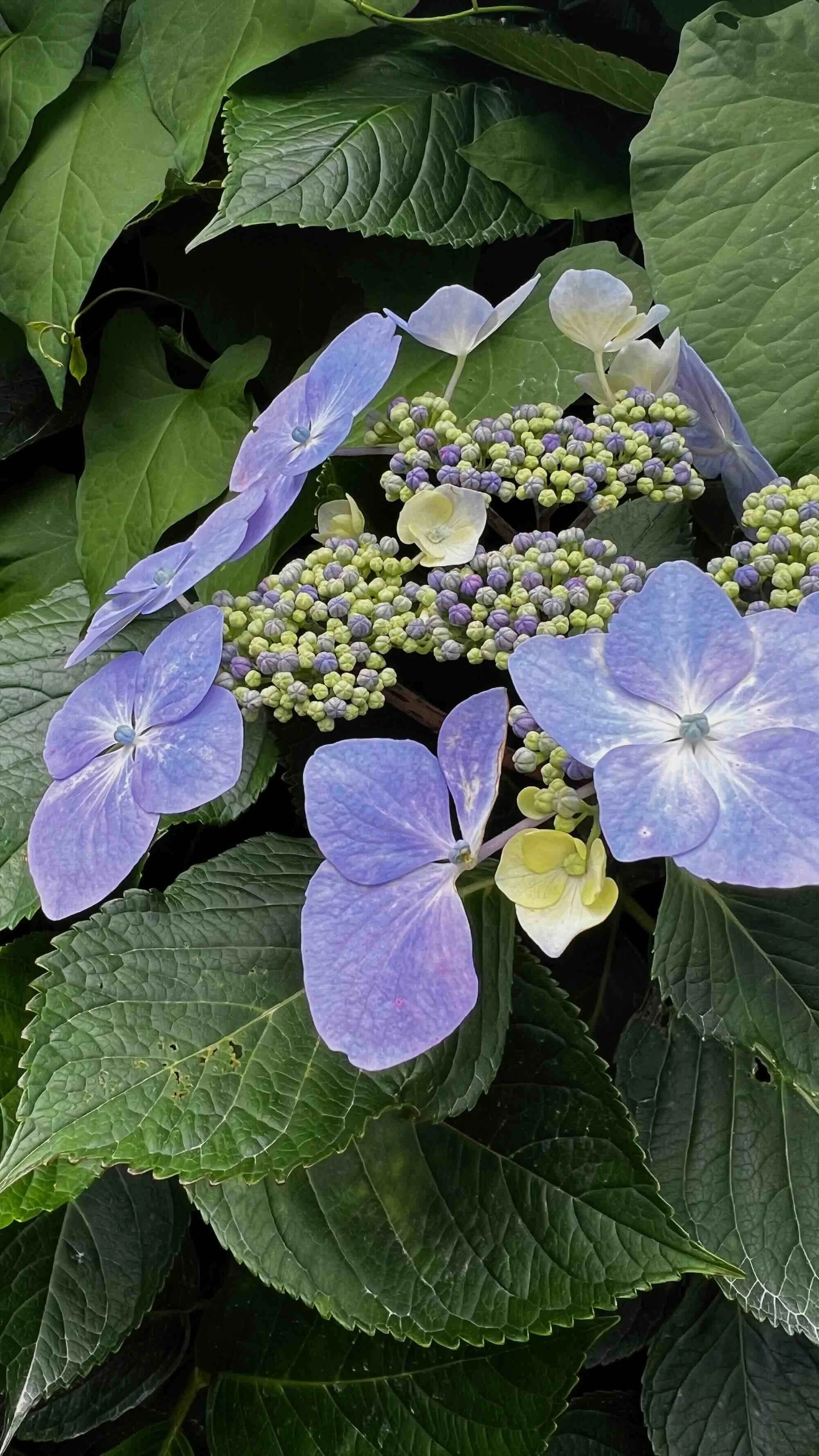
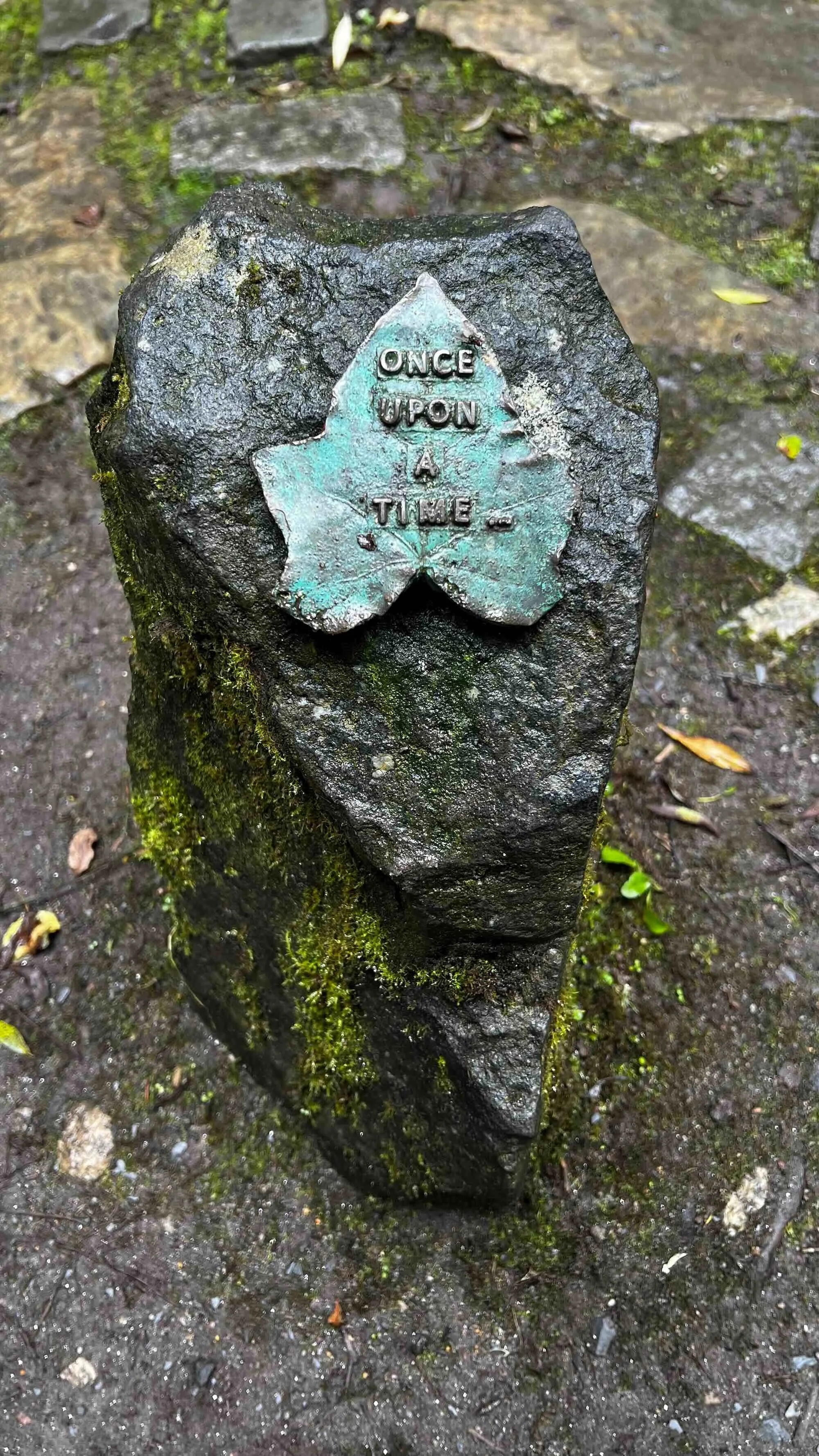
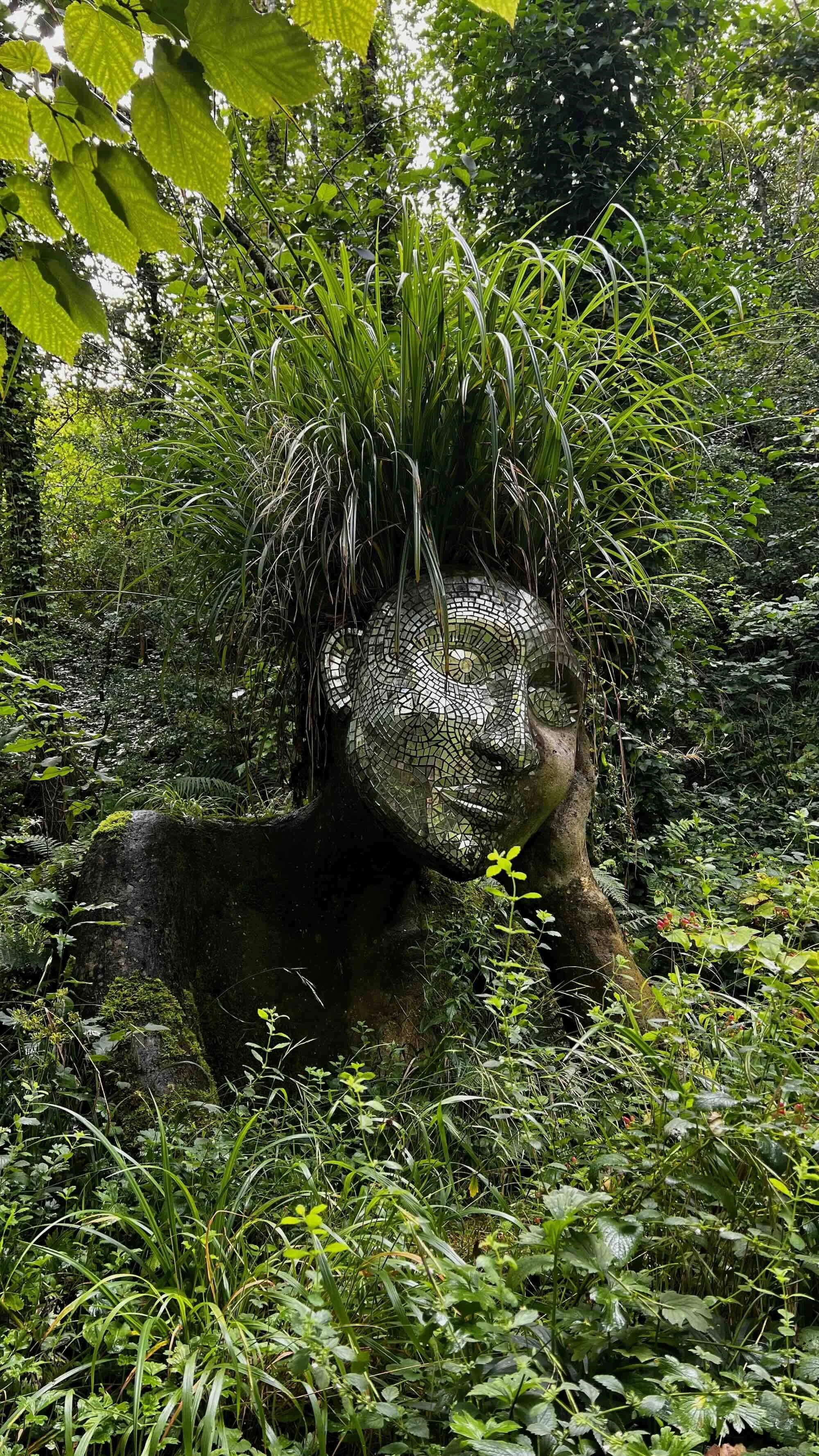
Self-described as “Europe’s largest garden restoration project,” the Lost Gardens of Heligan in Cornwall is a lovely collection of gardens, greenhouses, and pastures spreading over 200 acres. The estate has been in the Tremayne family for over 400 years, and after an interesting history of neglect, the buildings, gardens, and land were “discovered and re-awakened” in the 1990s to become a thriving eden of heritage vegetables, rare and heritage livestock, and traditionally tended pastures. My favorite features were the Mud Maid, the Jungle, and the Dhalia garden, as well as the short film that explained their traditional land management practices. See some of the gardens through the slideshow below.
The Eden Project
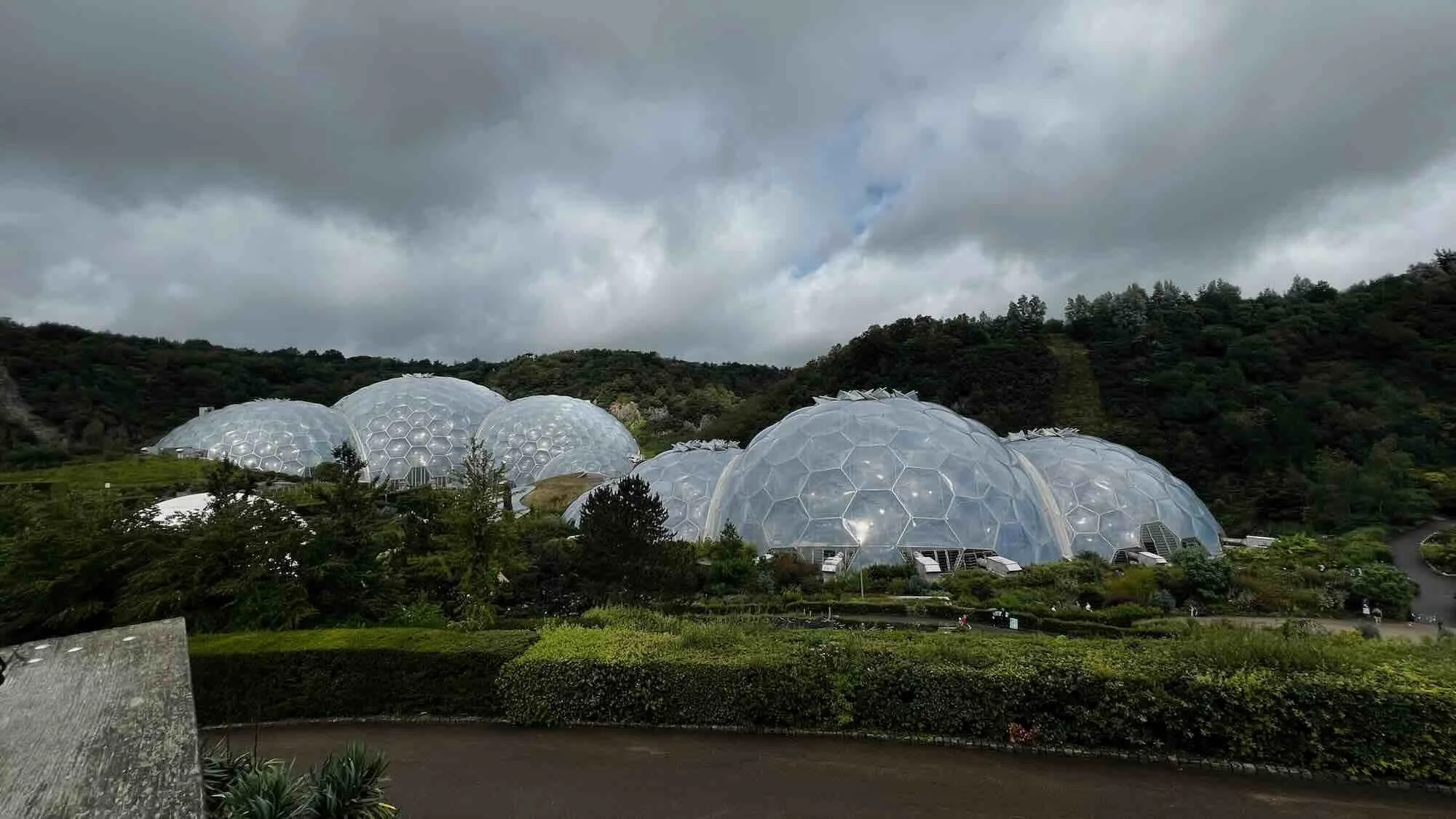
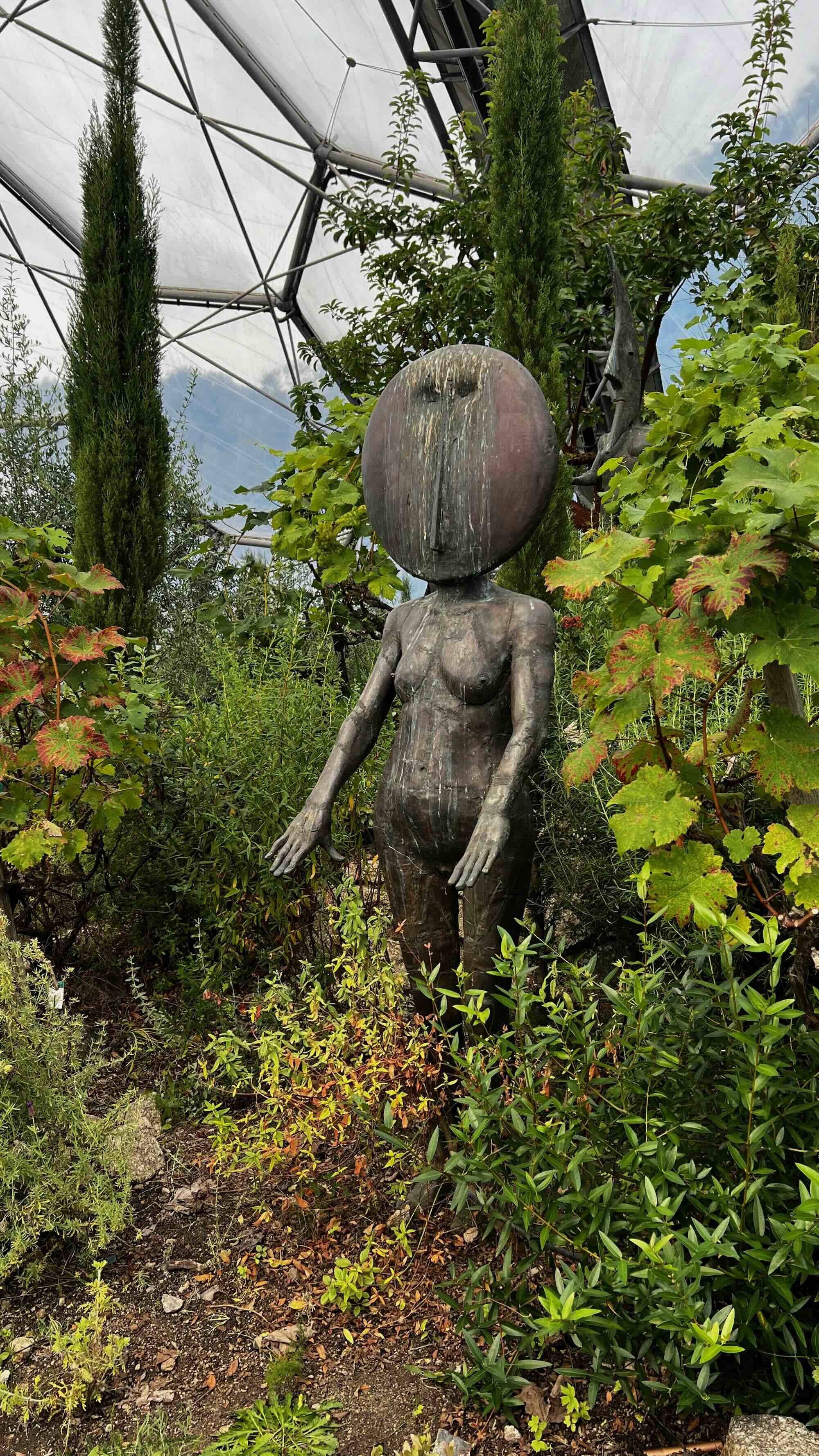
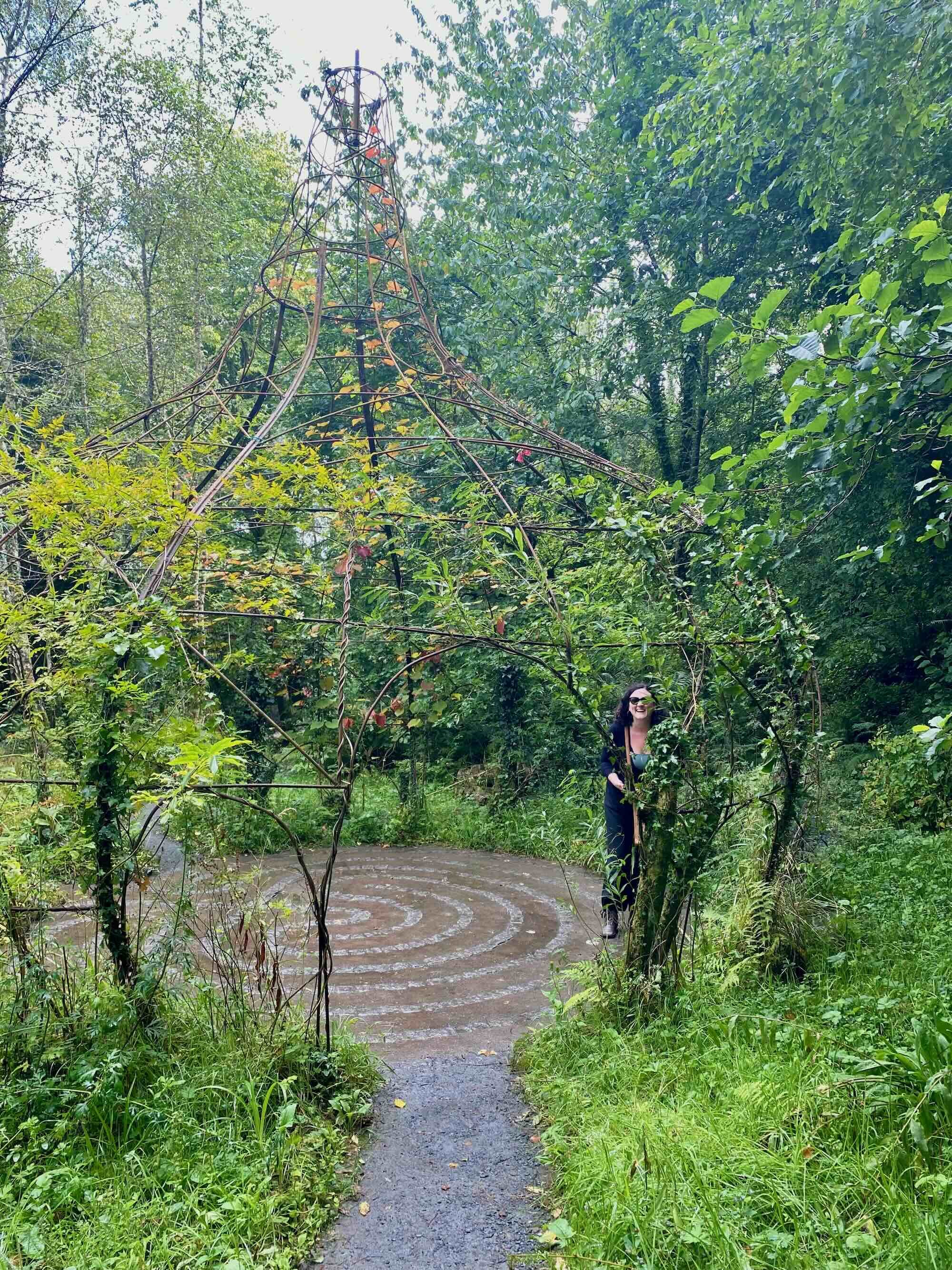
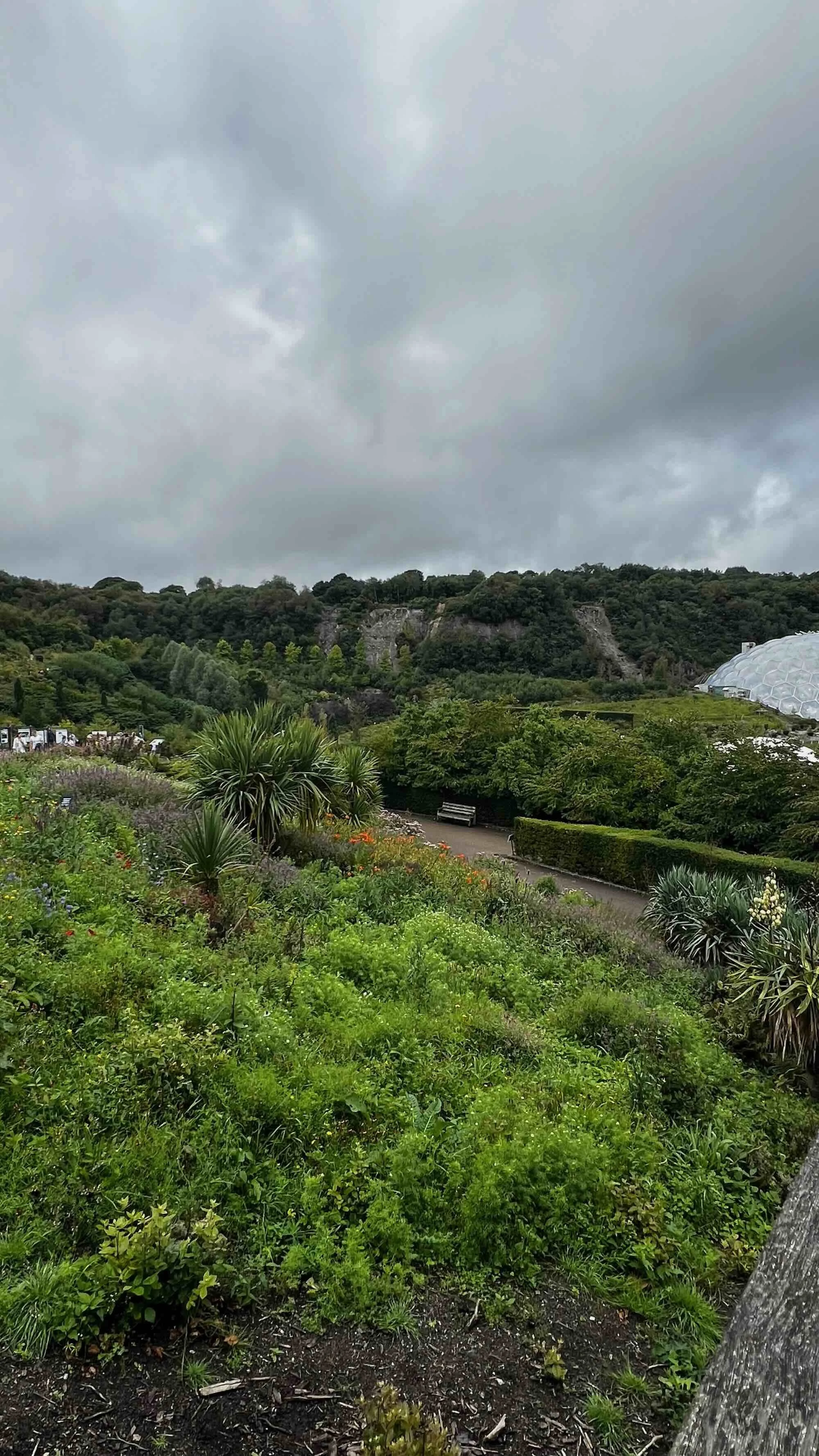
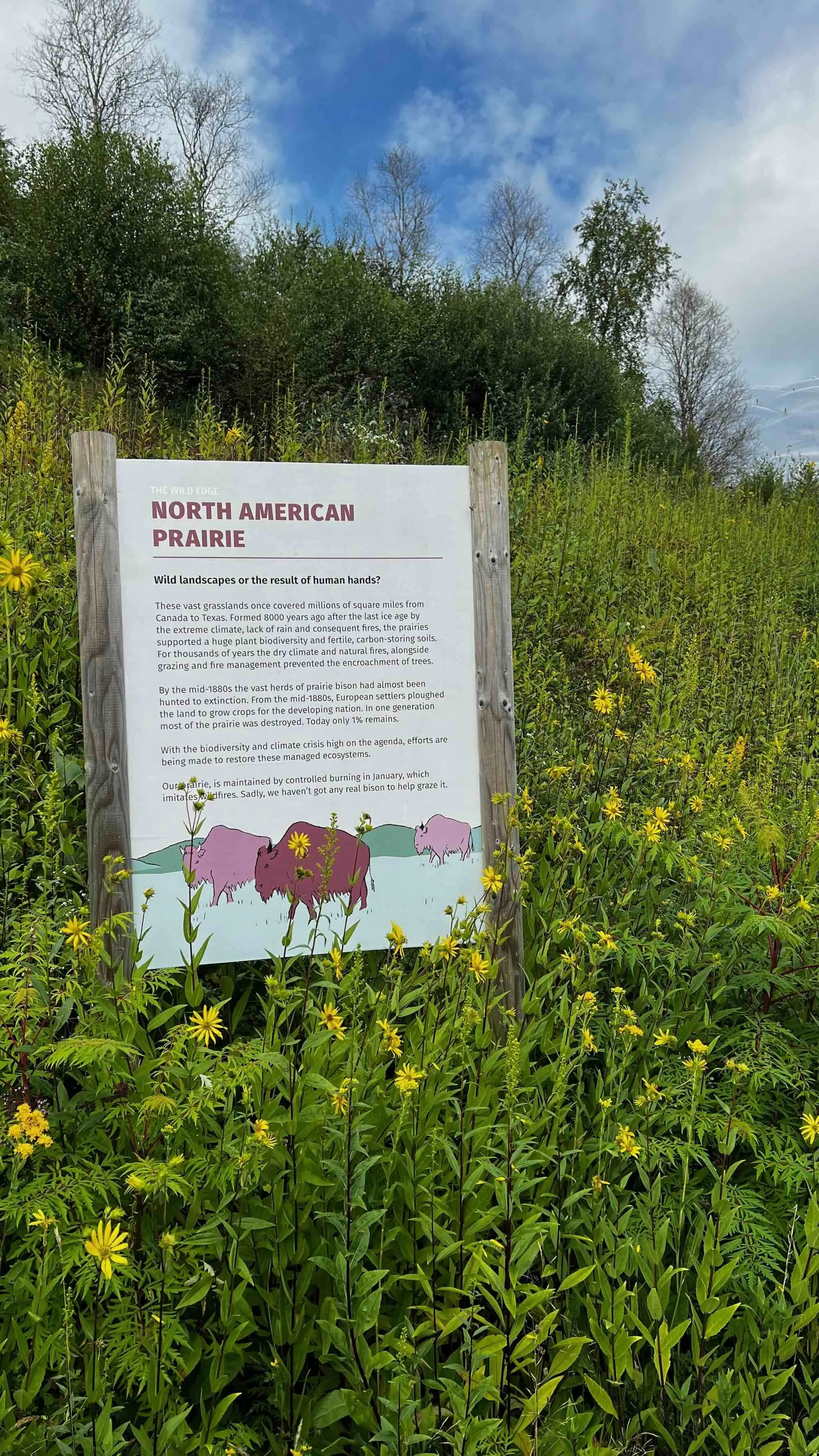
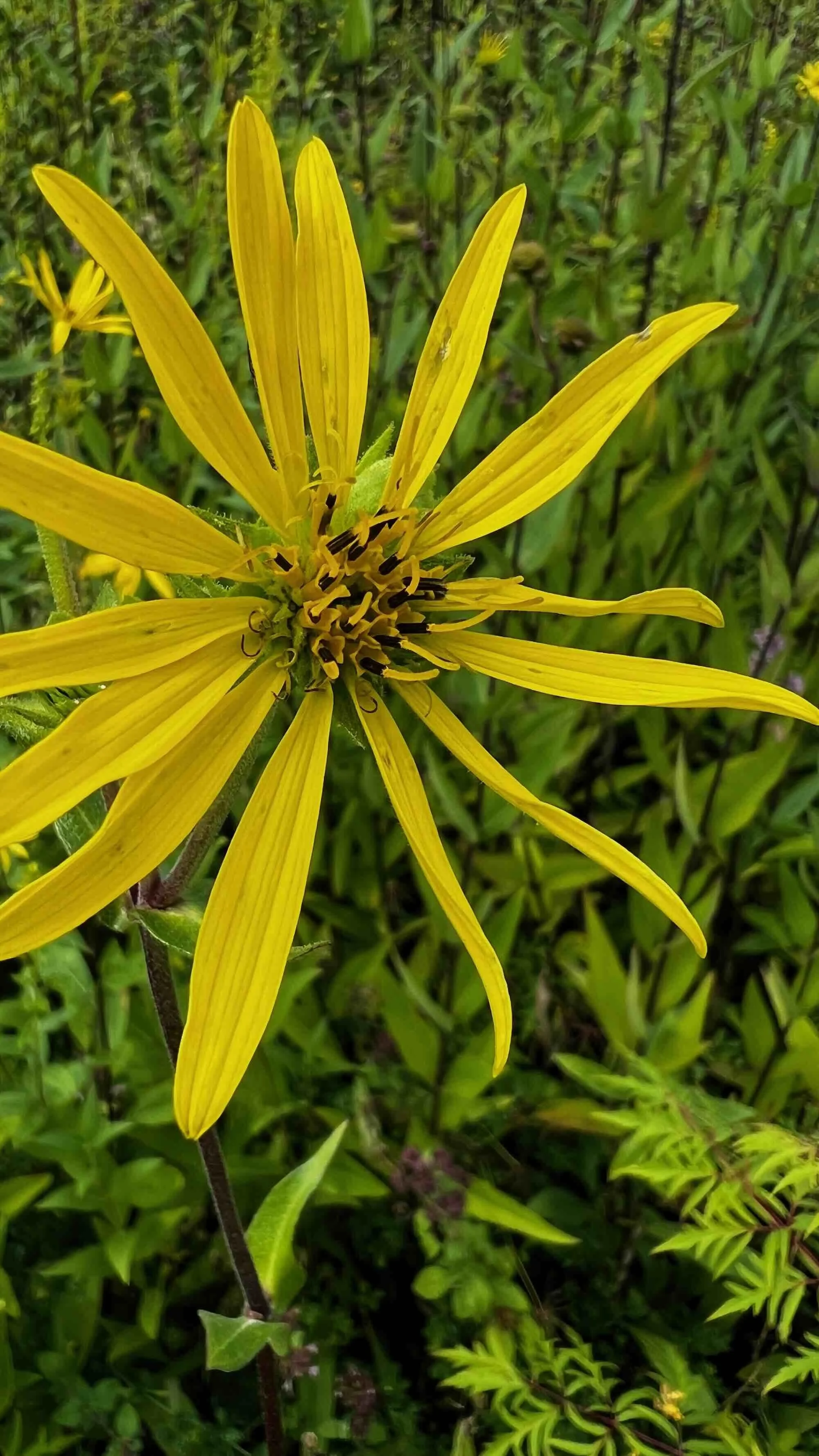
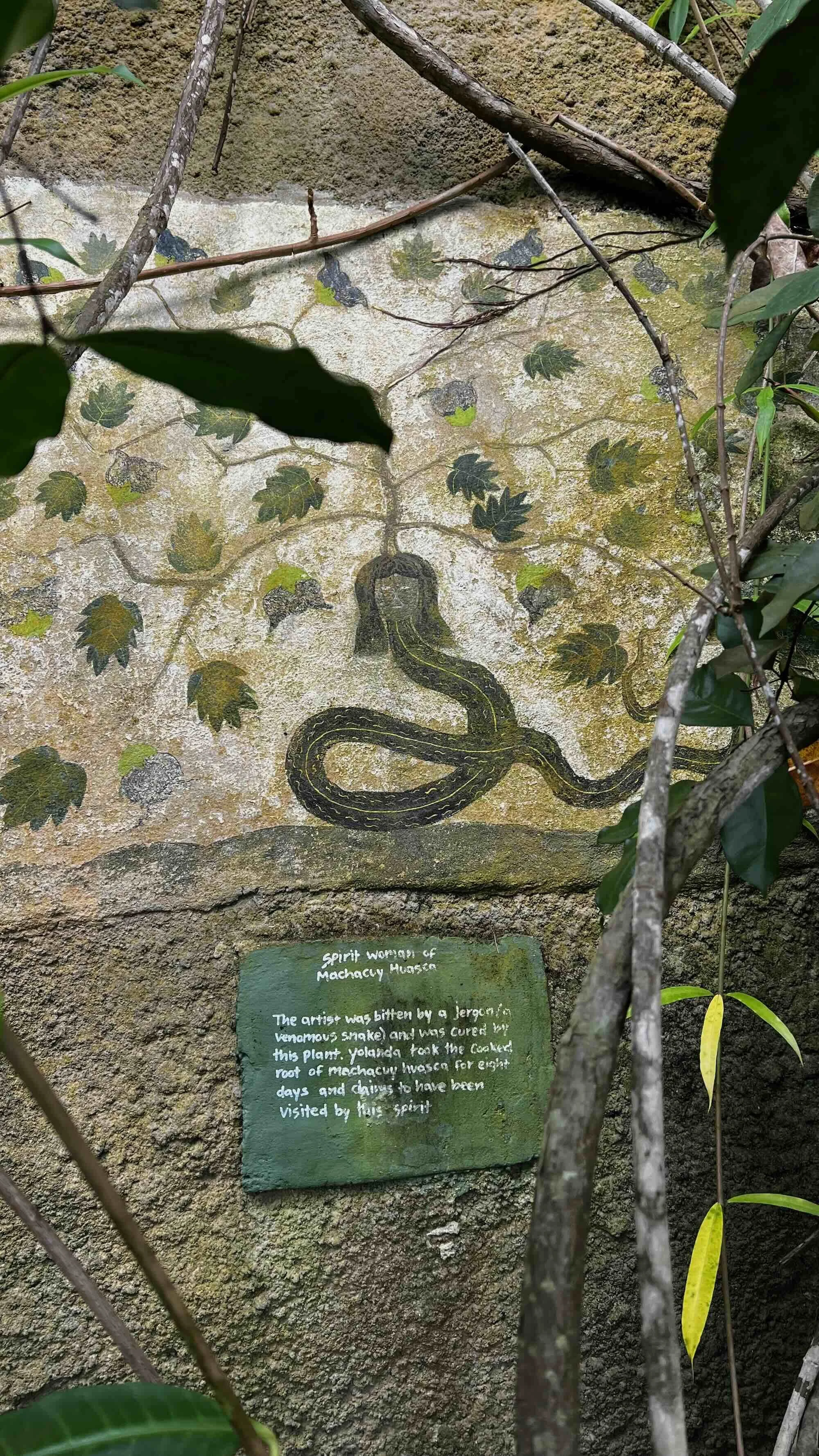
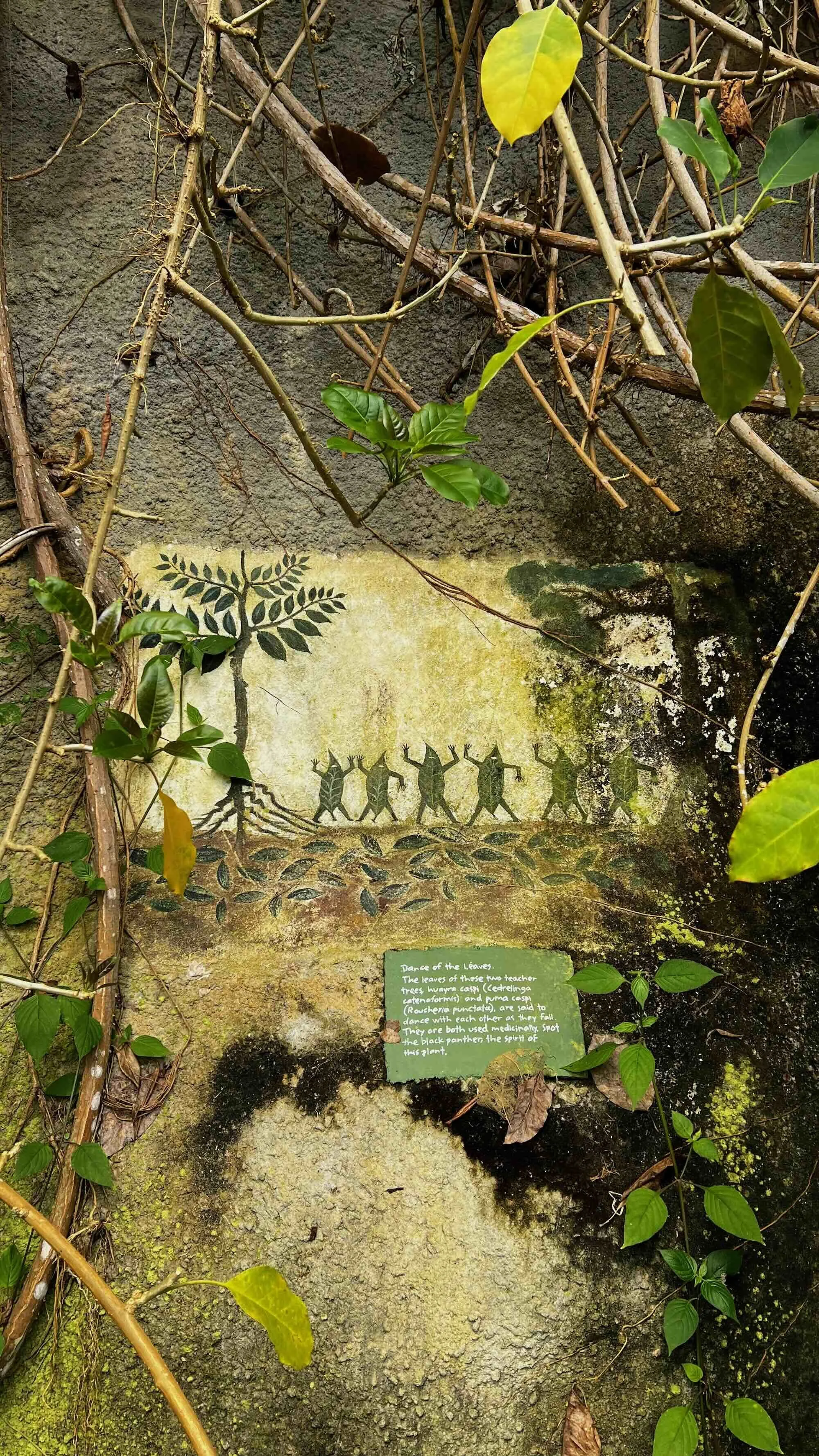
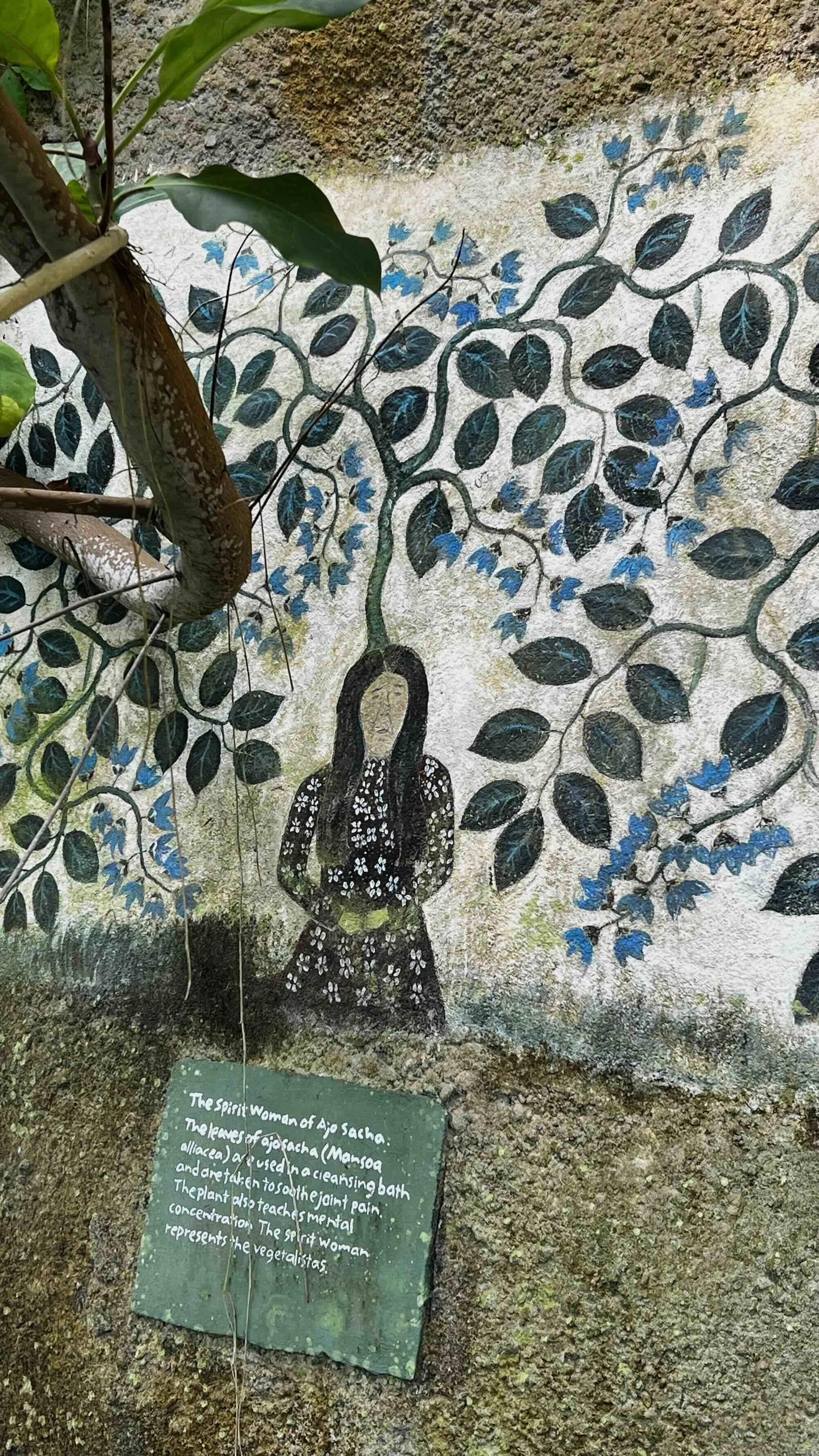
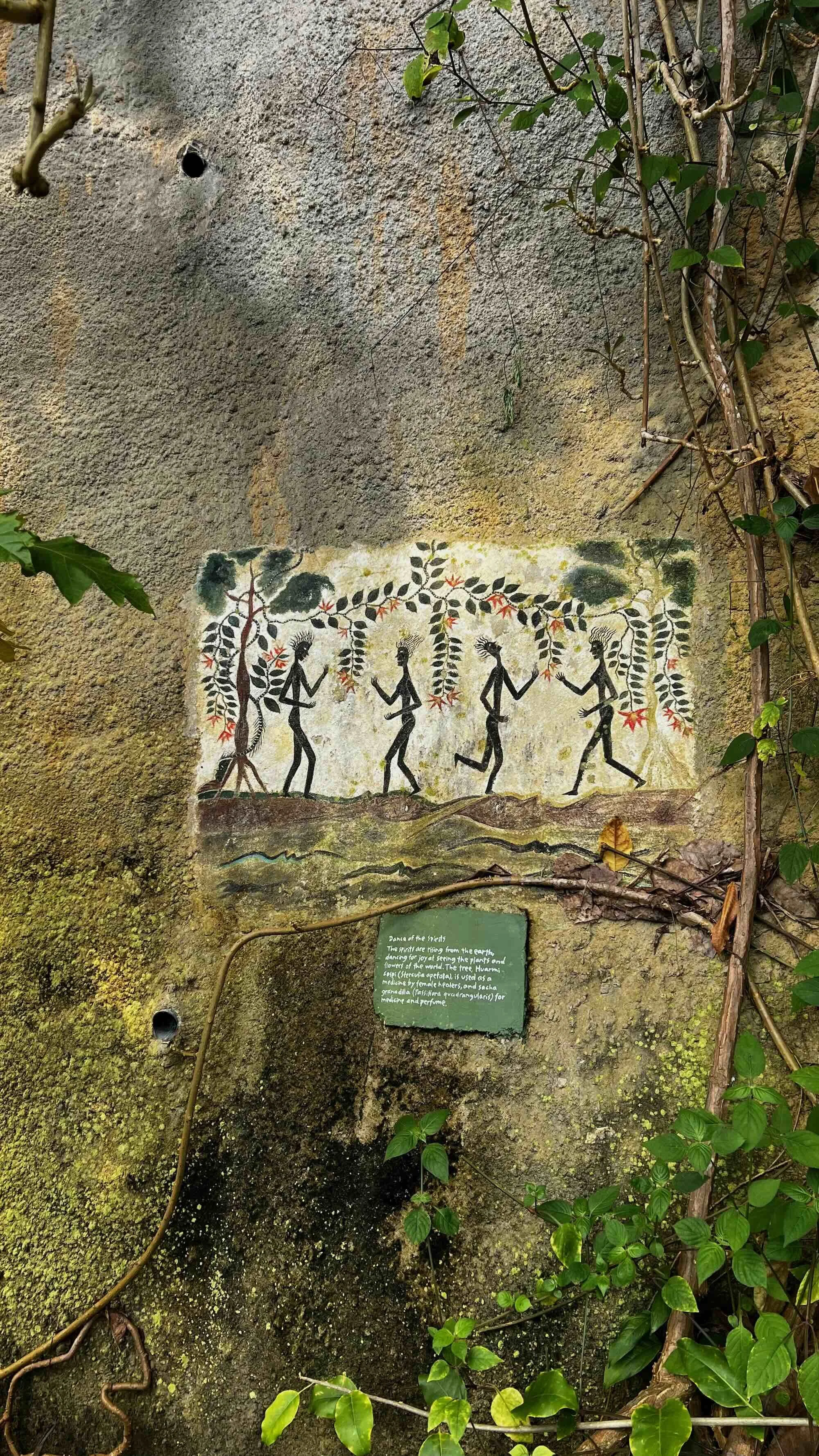
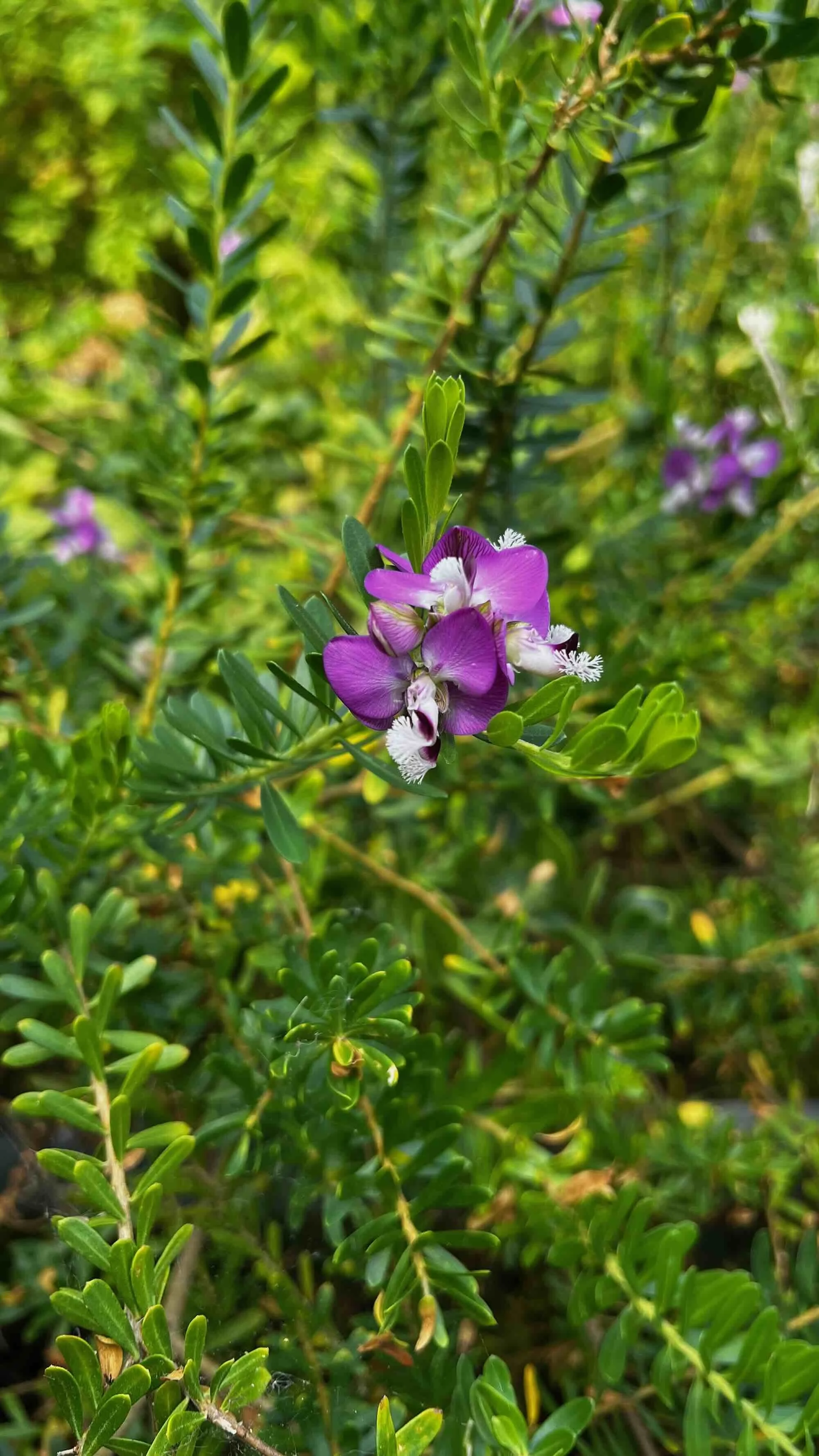
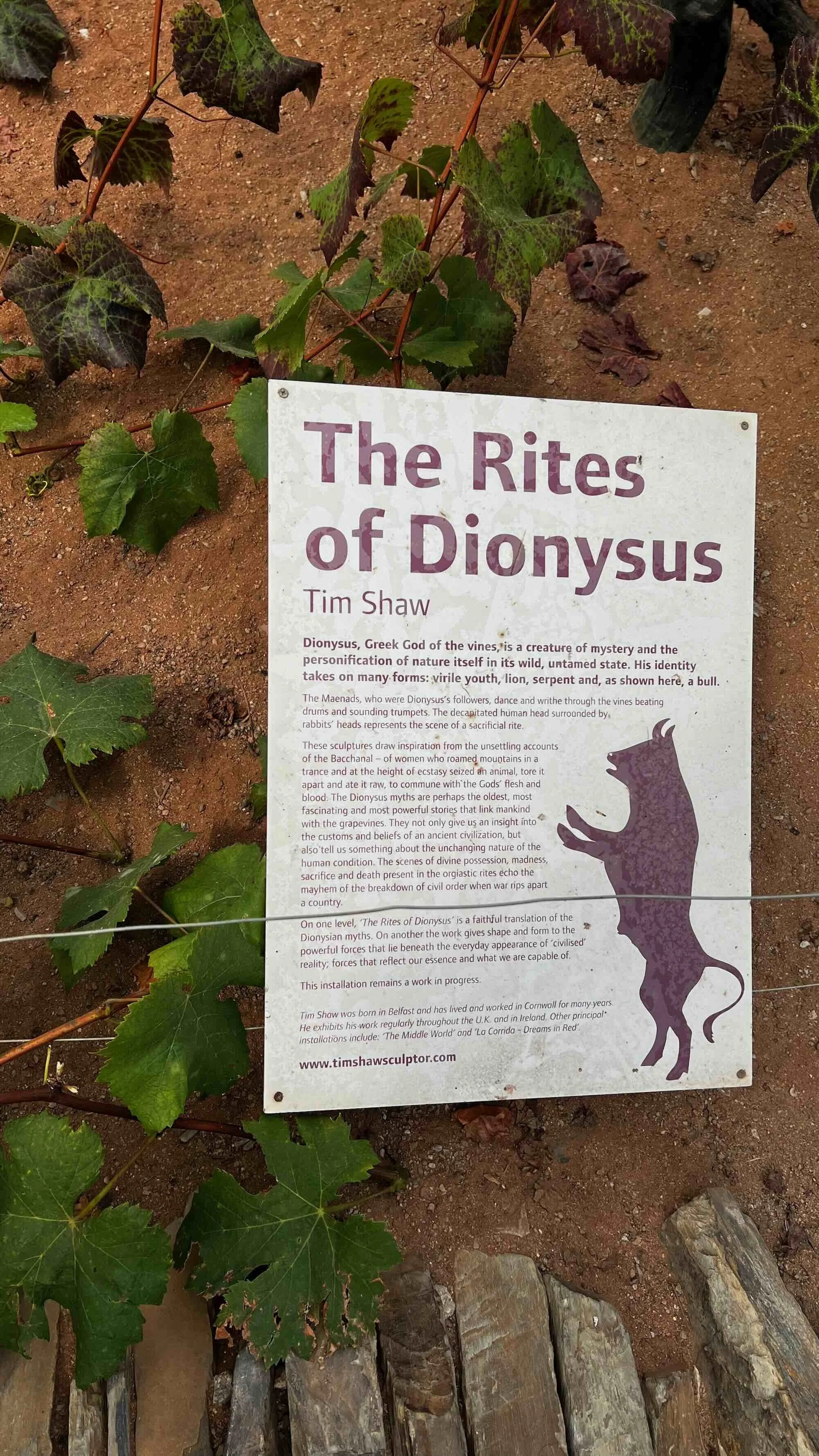
The Eden Project is a not-for-profit garden in Cornwall attempting to educate the public about biodiversity, sustainability, and nature. Created on the site of an abandoned clay mine, I think the Eden Project is most famous for their two huge (and I mean, huge) Biomes: one hosting a tropical rain forest and the other a Mediterranean landscape. The outdoor grounds also host a variety of themed gardens and community buildings for concerts, children’s programs, and art events. For me, the outdoor myth and story garden, the American prairie, as well as the Mediterranean Biome were the highlights. The Mediterranean dome definitely felt like home — Olive, Cistus, Rosemary, and so many other familiar friends! The tropical forest dome was a masterpiece of human and non-human collaboration, but unlike the Mediterranean, I did not feel a particular affinity with the plants (which didn’t surprise me; I tend to be drawn to temperate, Mediterranean, or even desert plants, rather than tropical). Regardless, one of my favorite features of the domes was the Rites of Dionysus installation, a series of sculptures by artist Tim Shaw. Learn more in the slideshow below.
Dartmour and the Cotswolds
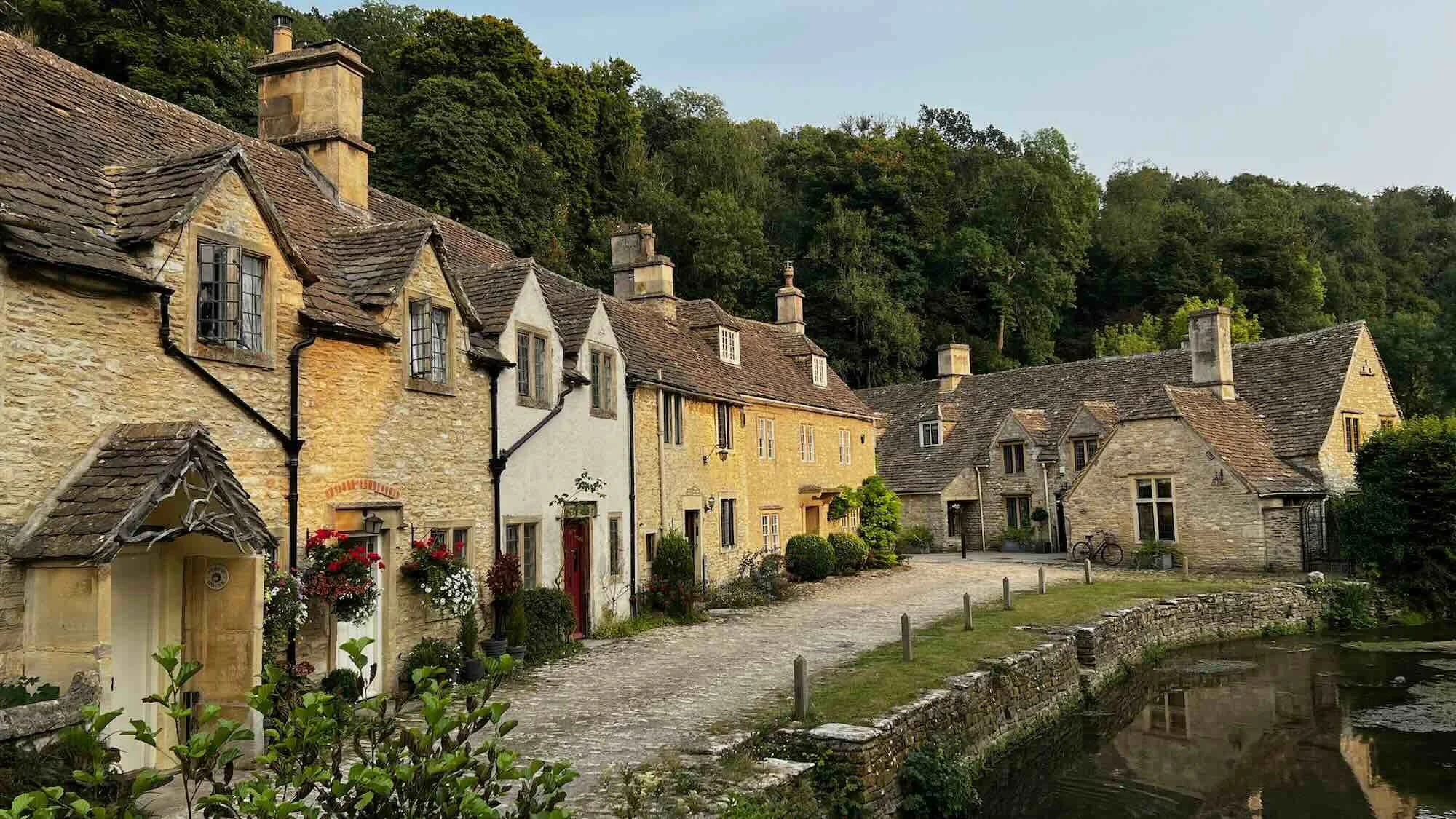
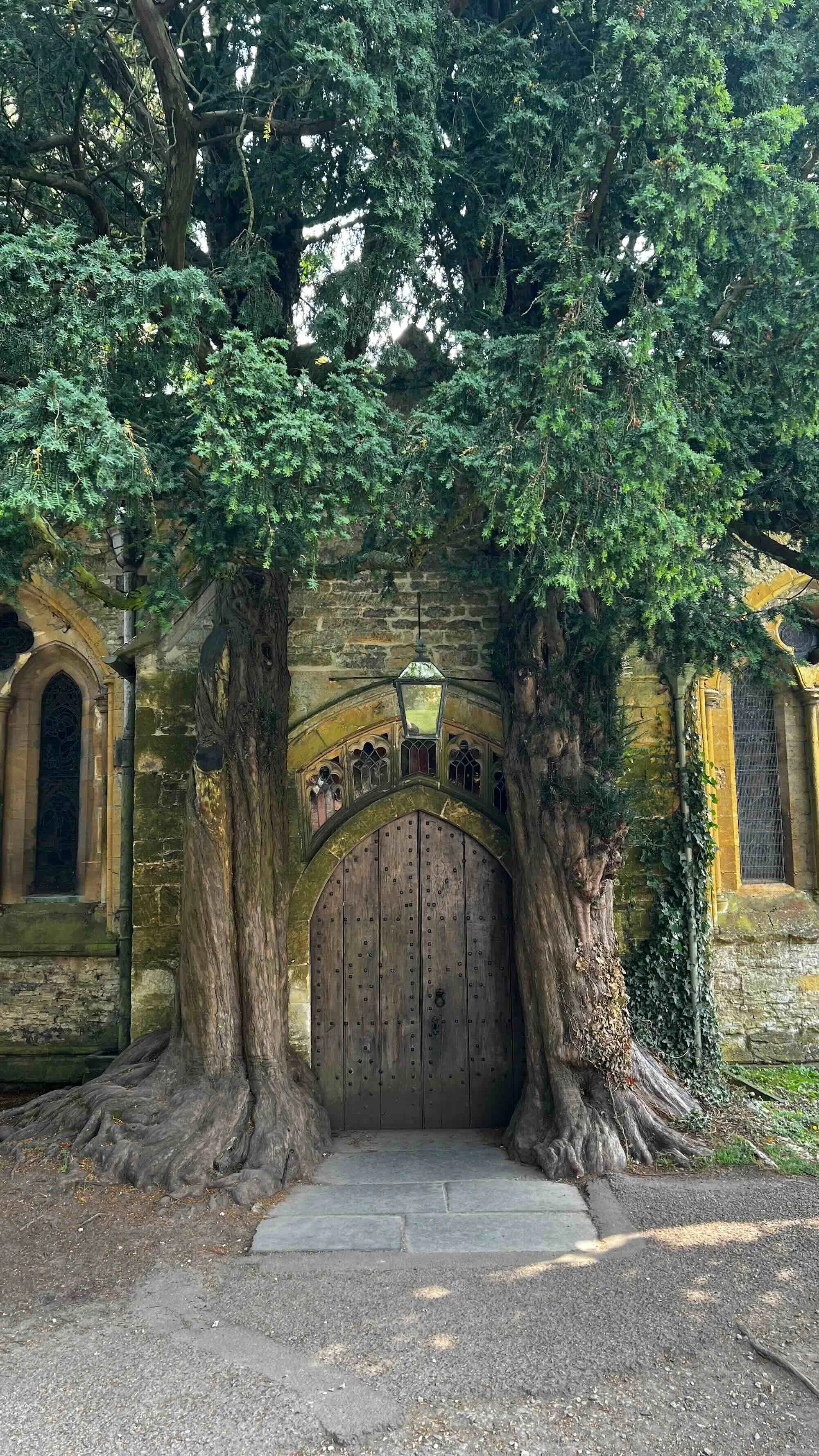
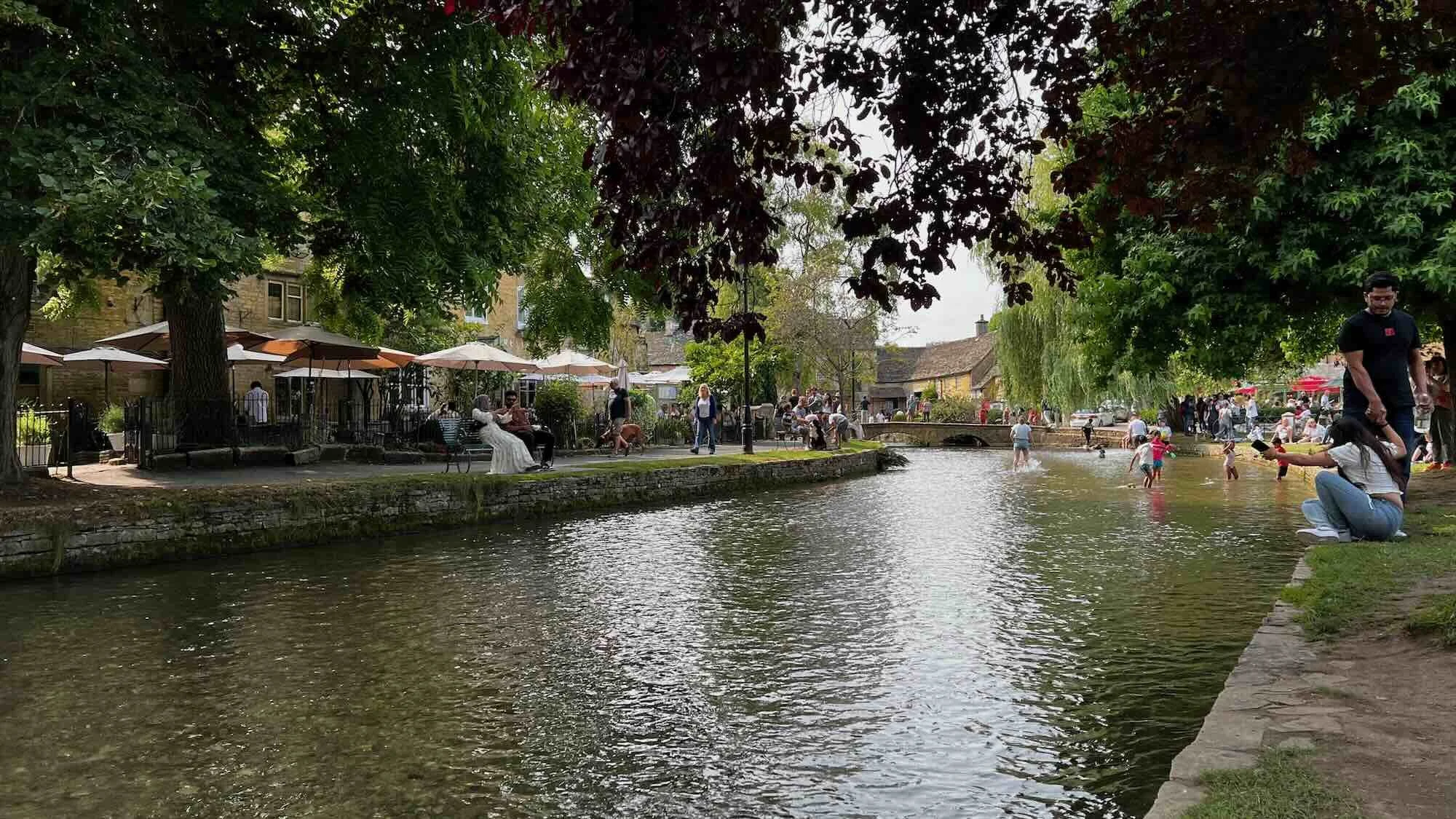
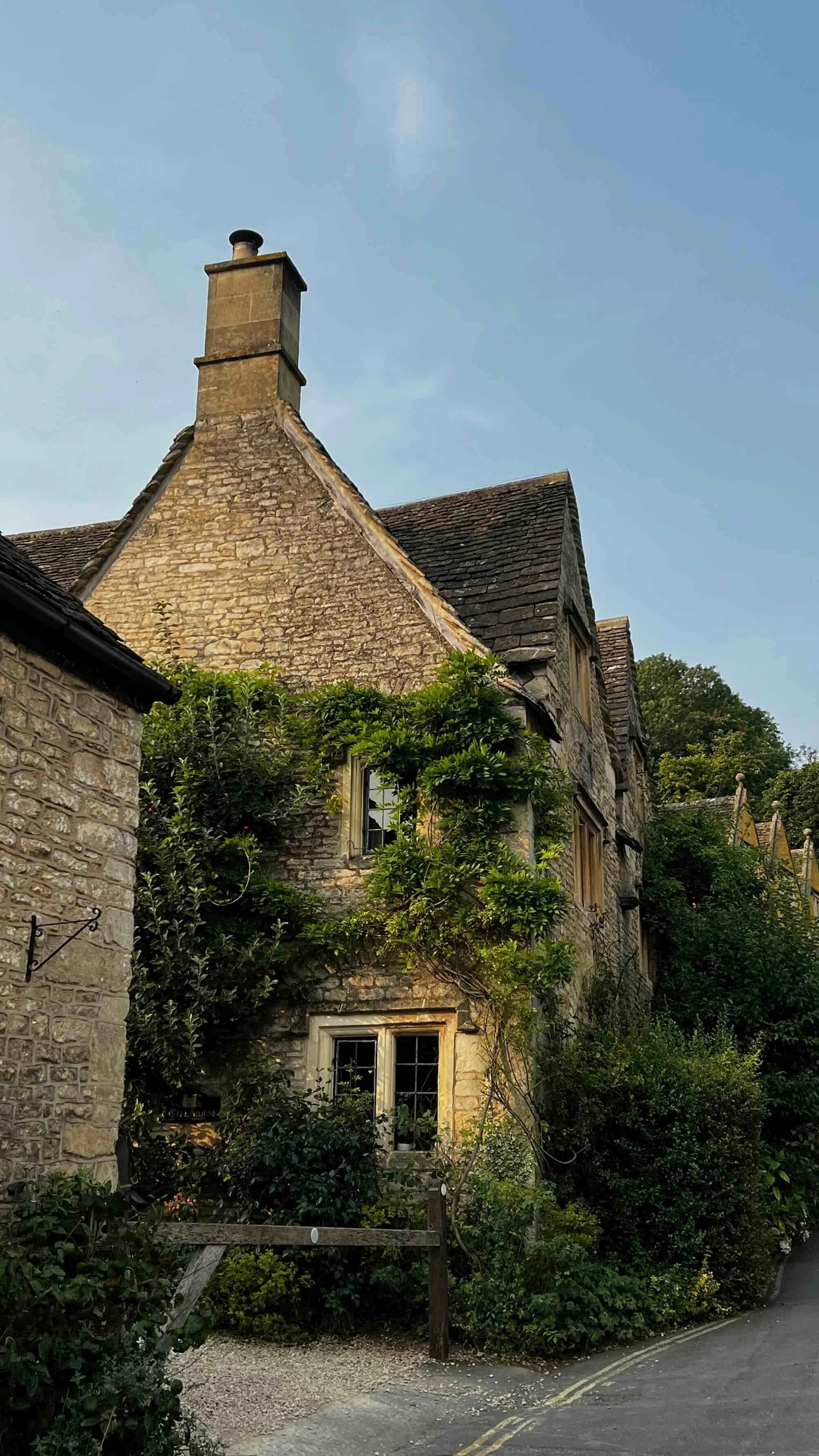
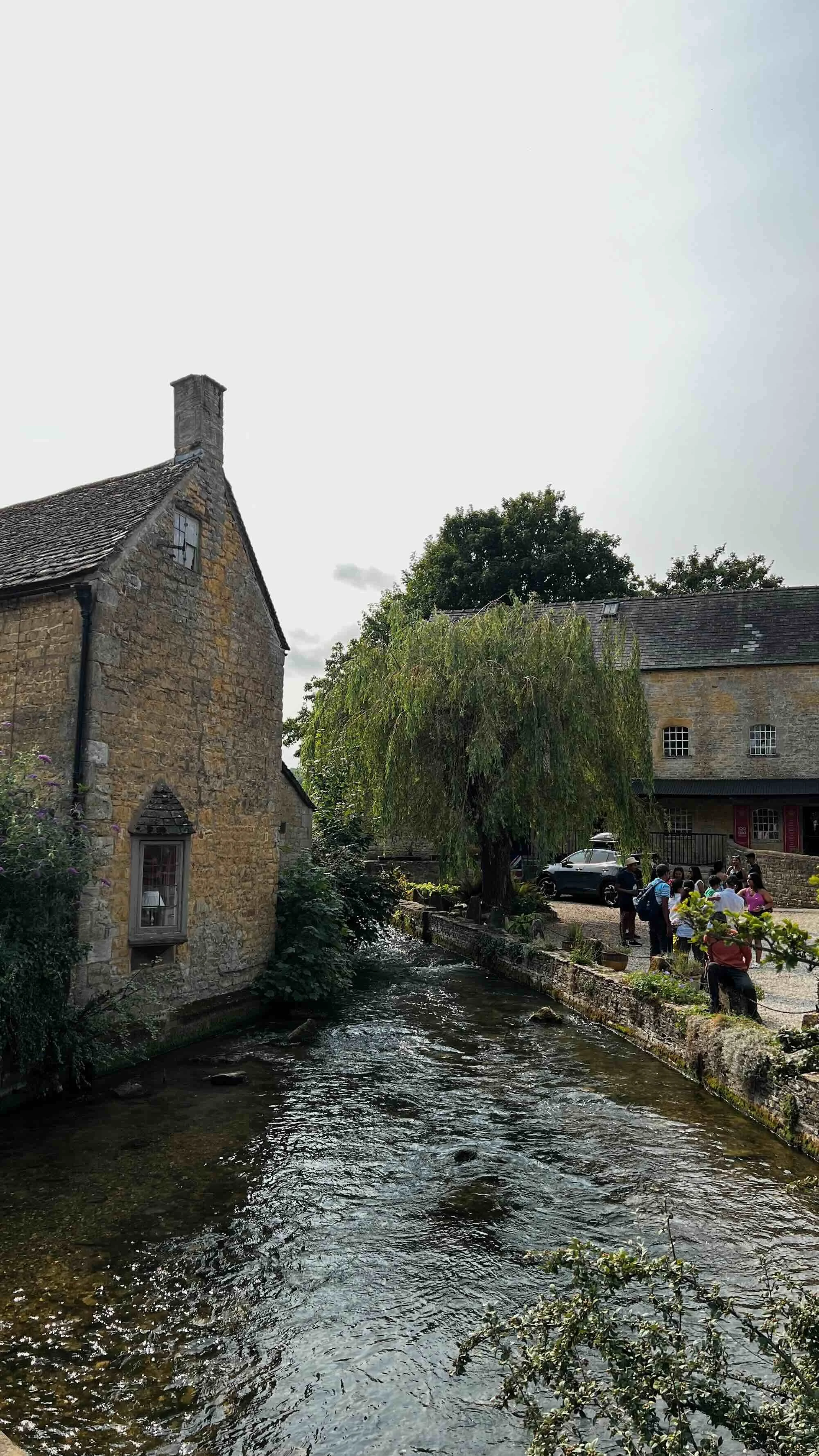
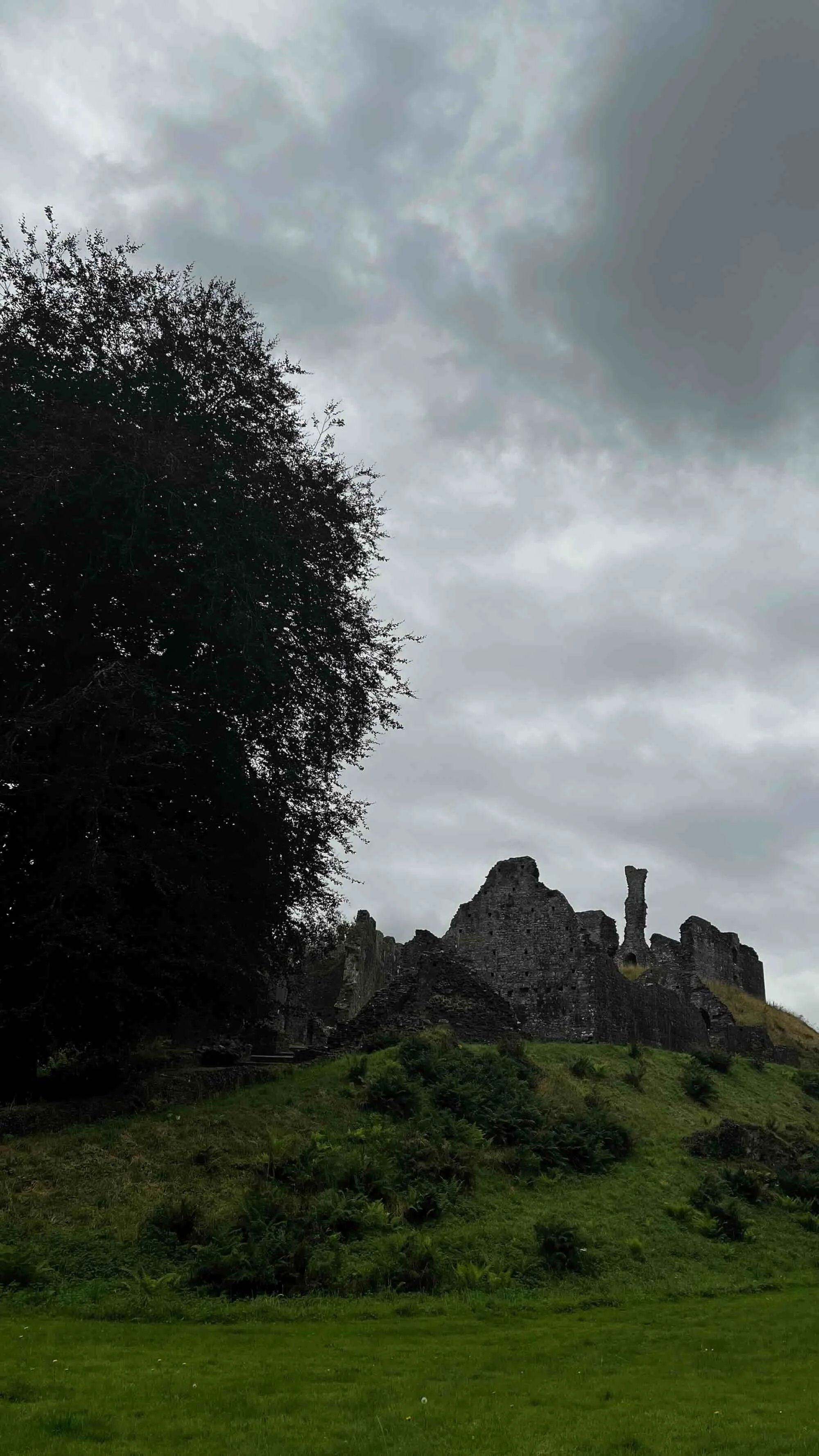
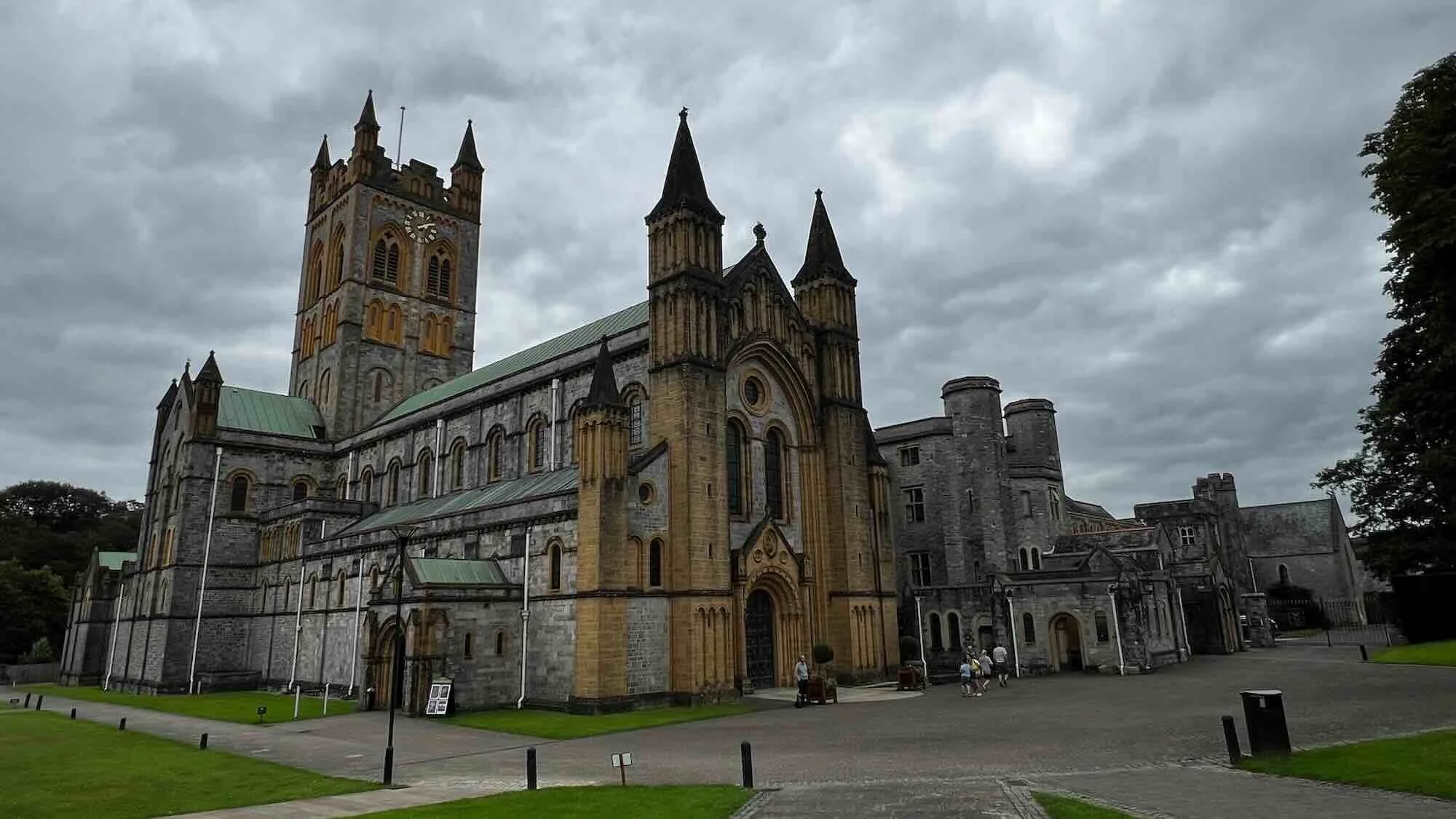
After spending time in lush Devon and Cornwall, we made our way through narrow roads to Dartmour and then the Cotswolds. We made stops at Okehampton Castle, Buckfast Abbey, and also spent a full day exploring the small villages of Stow-in-the-Wold (famous for St Edward’s Church door, nestled mystically between two Yew trees), Bourton-on-the-Water, and Castle Combe. I will say that the Cotswolds were very picturesque, however they were so swollen with tourists it was almost like Disneyland — a caricature of Quaint English Villages — that it was impossible for me to feel any sense of authentic connection to the places we went.
Bath and the ancient Roman Baths
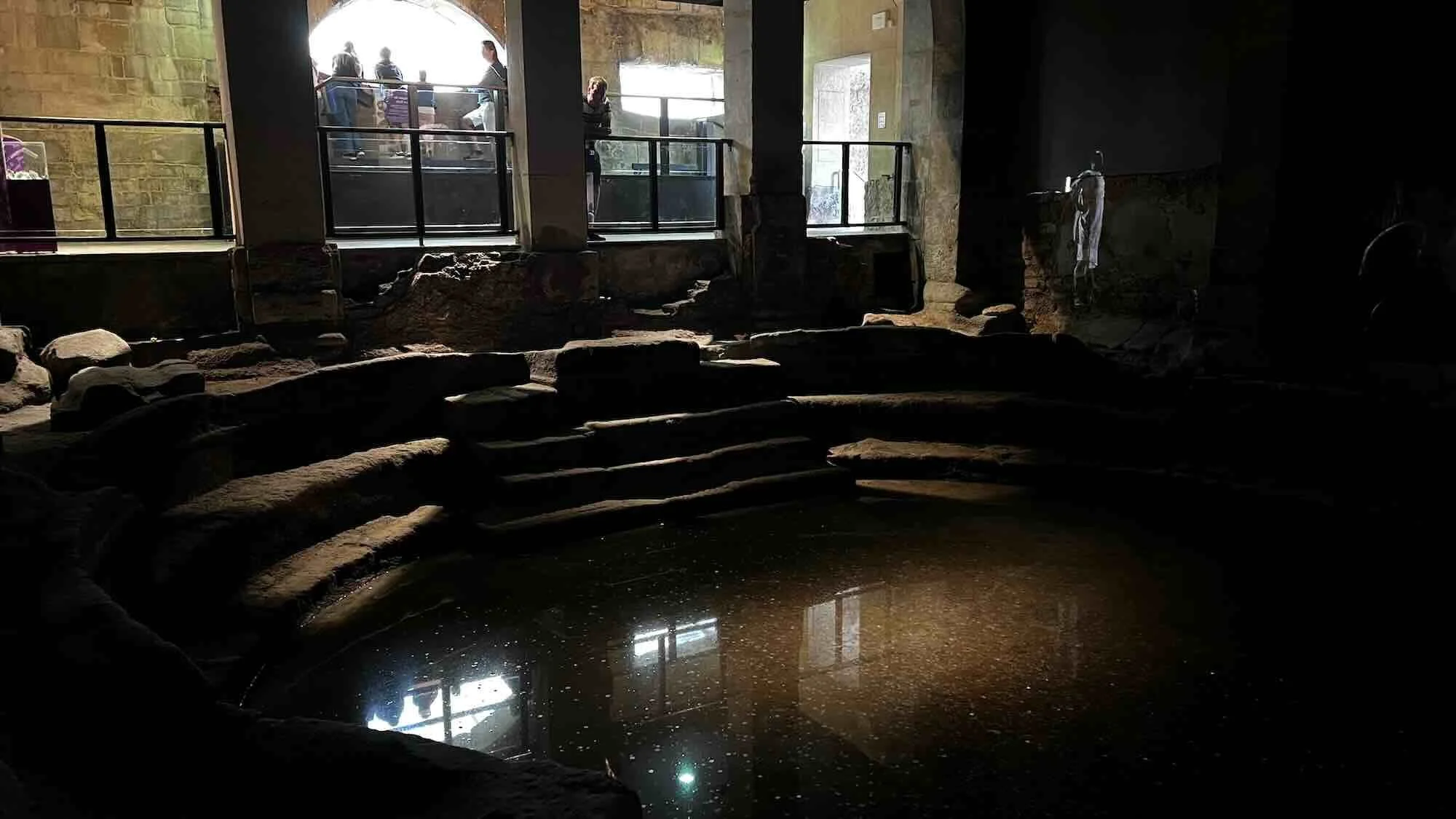
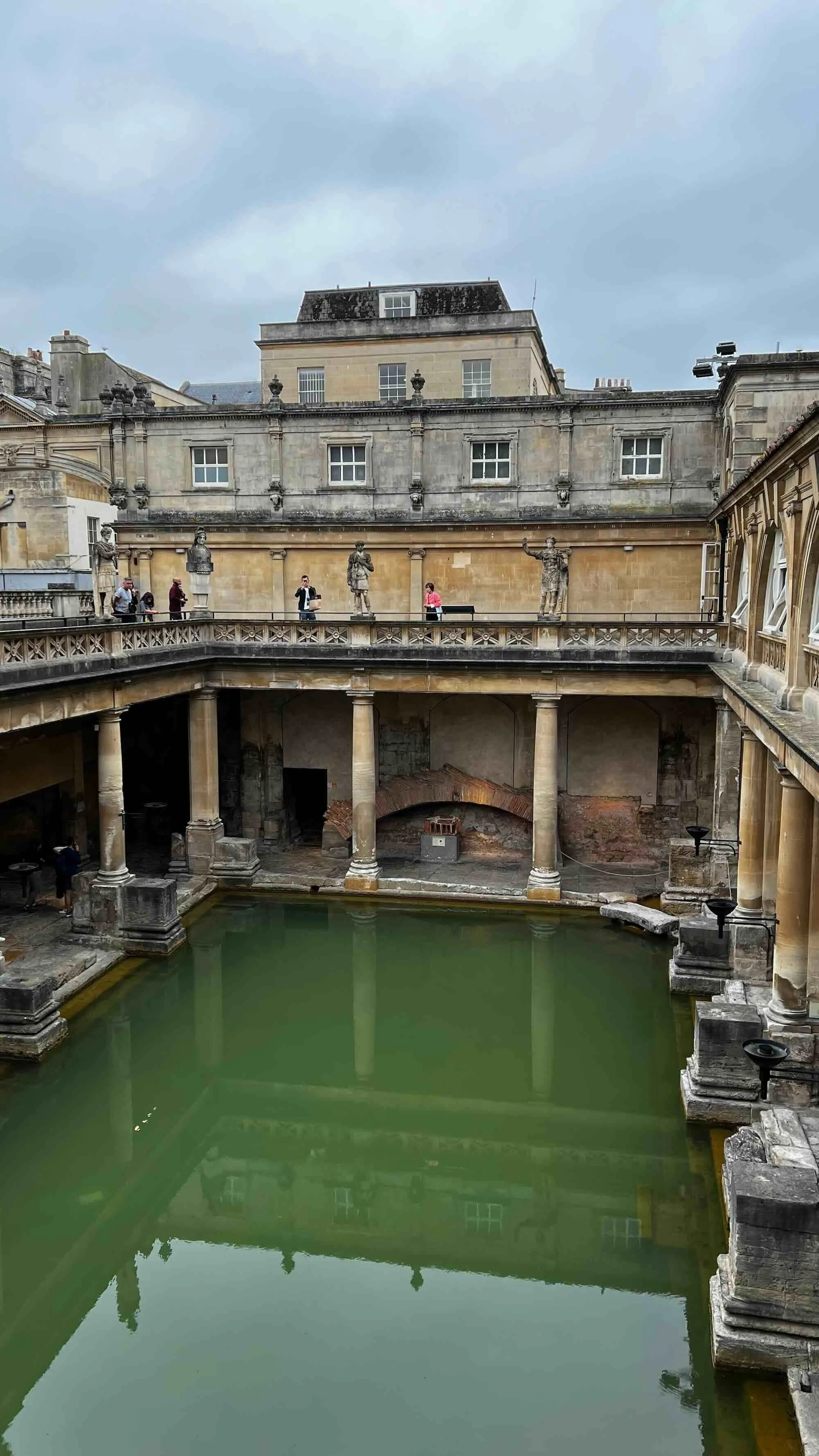
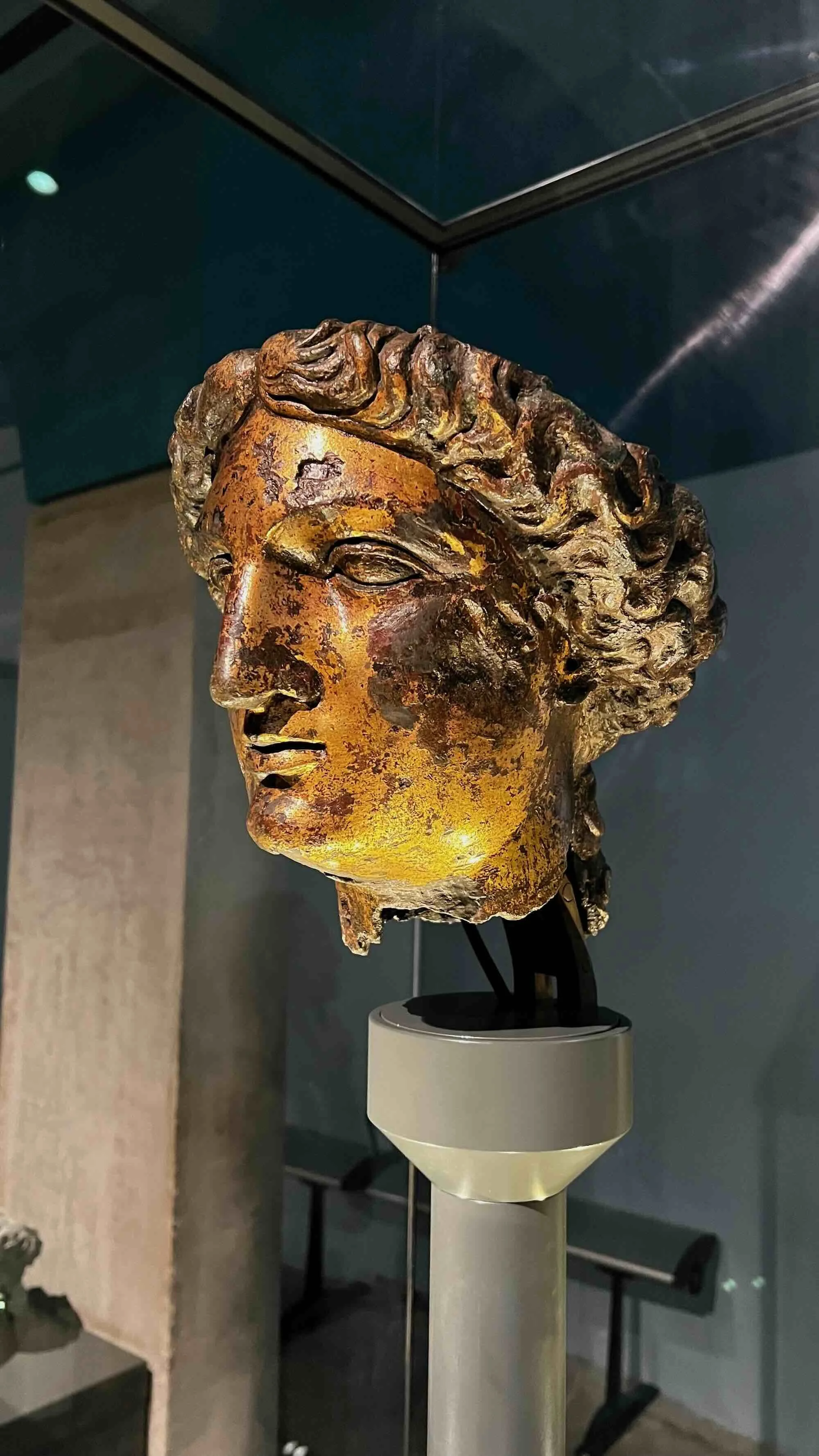
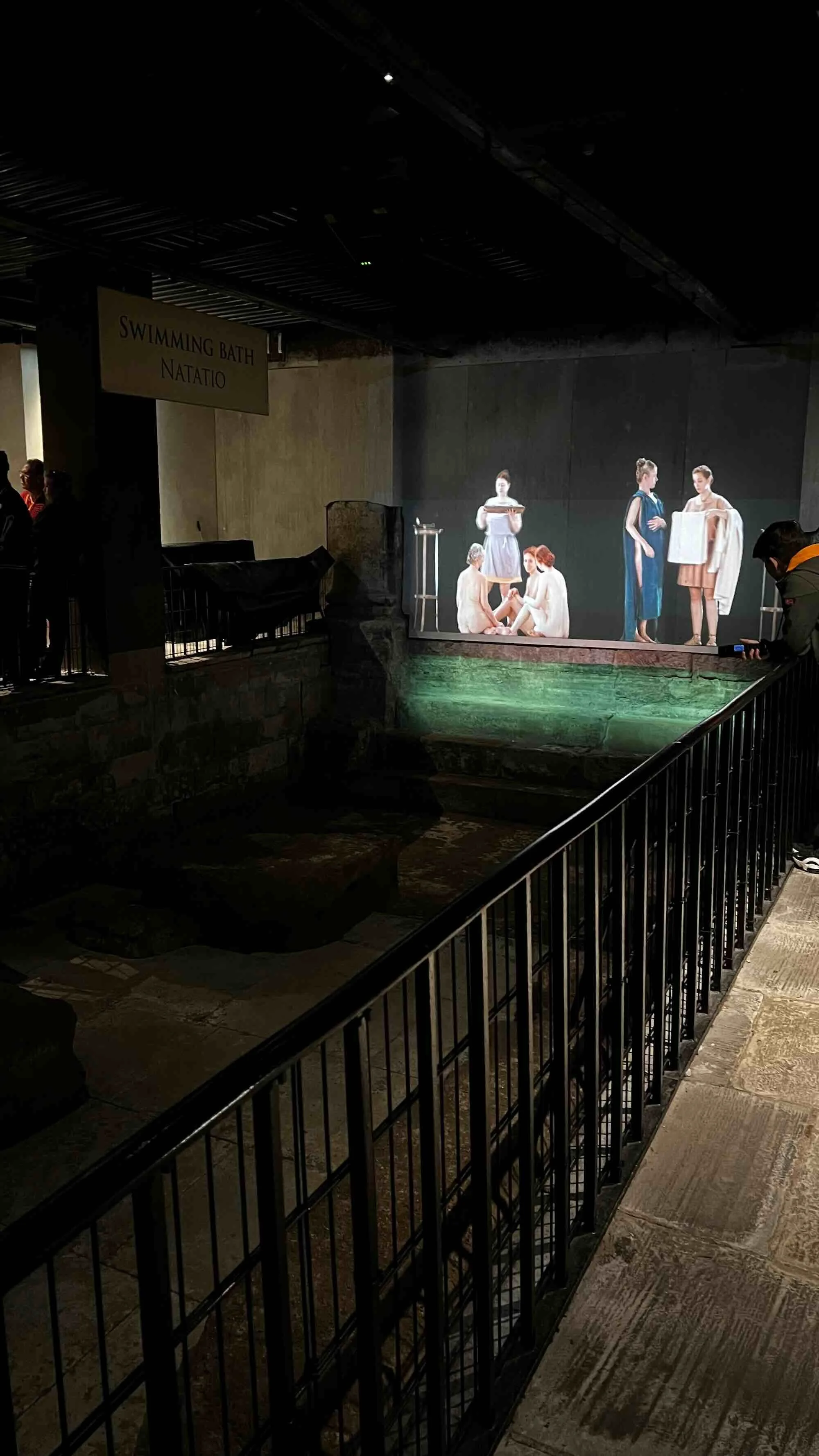
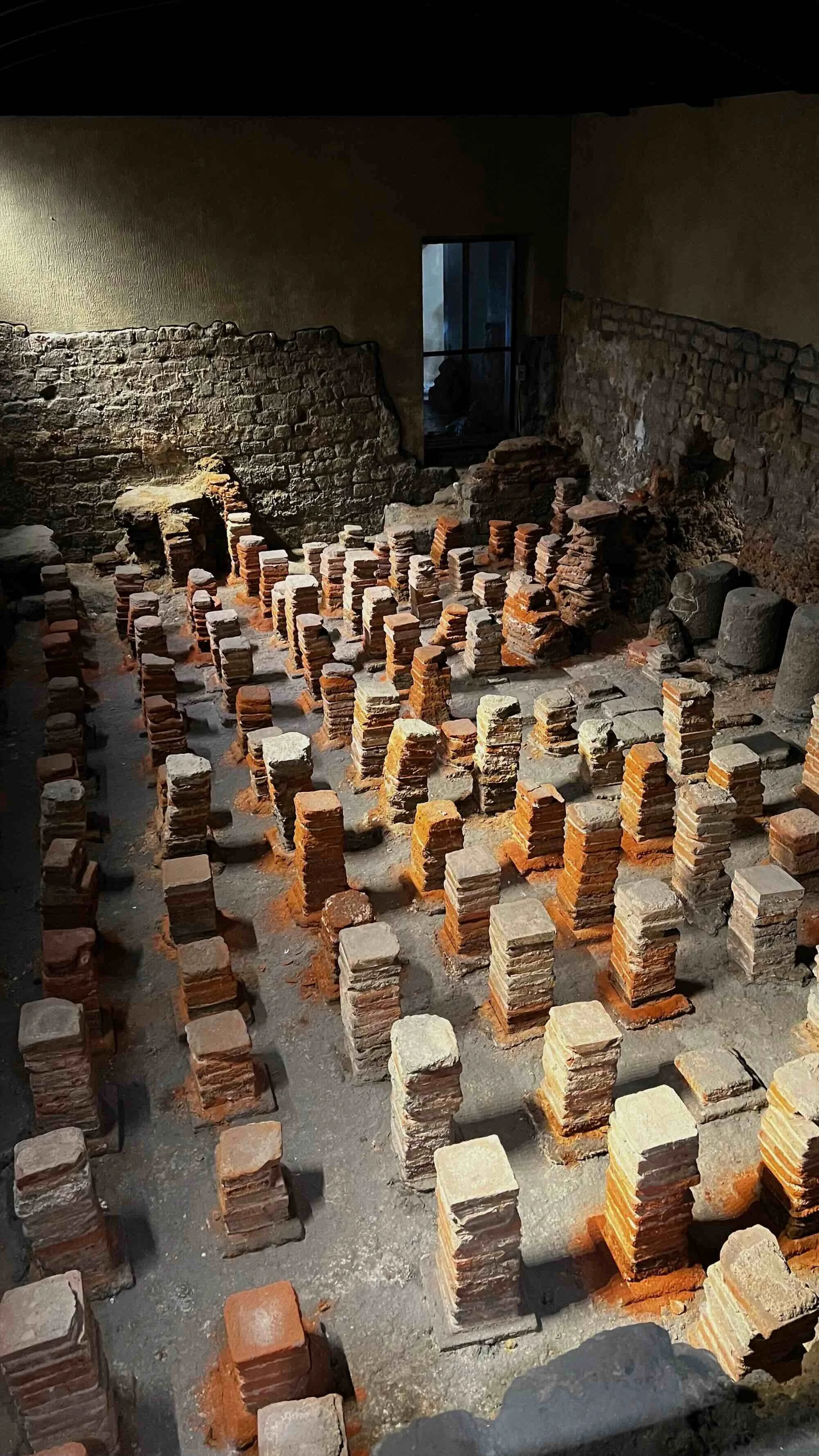
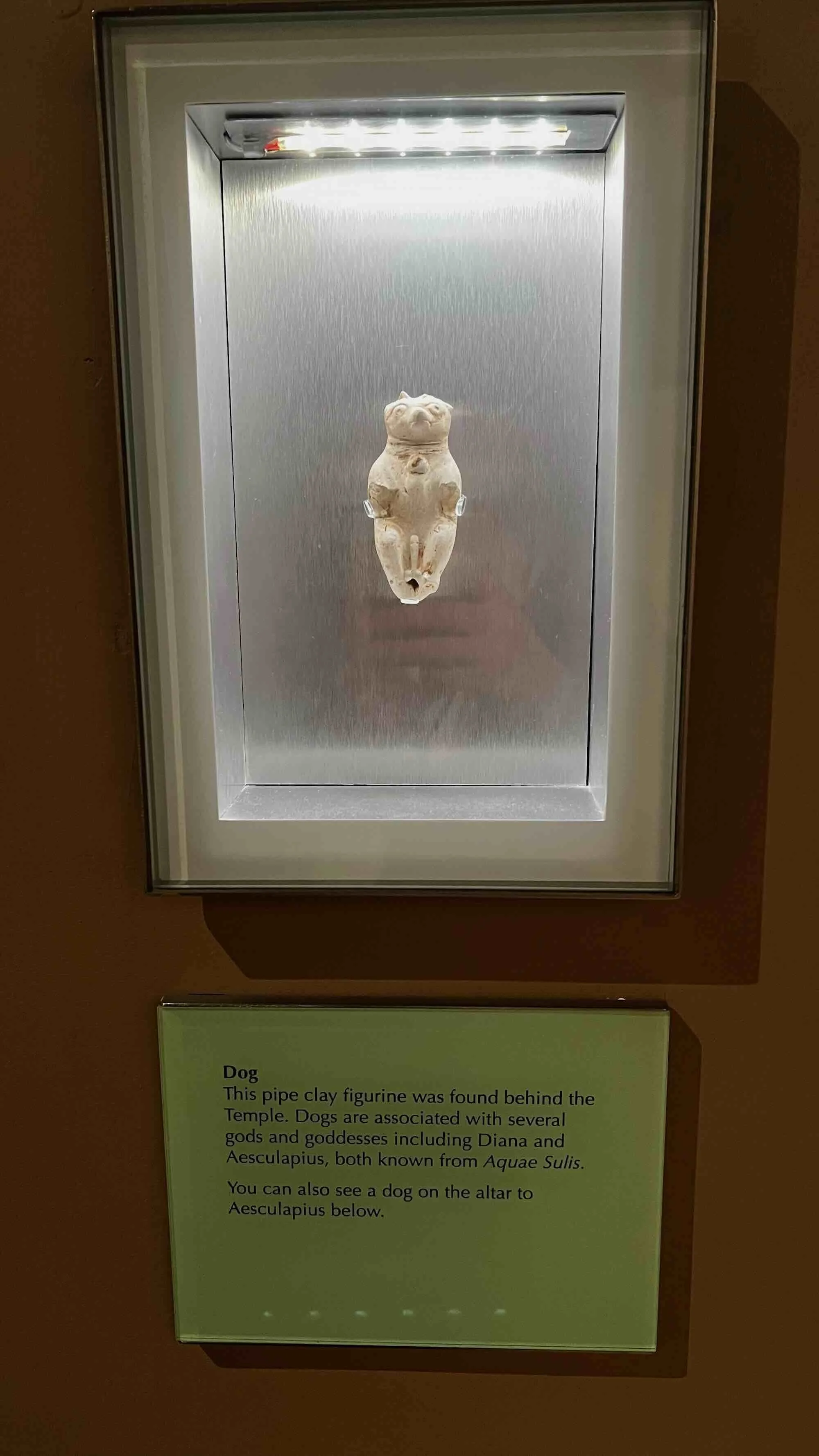
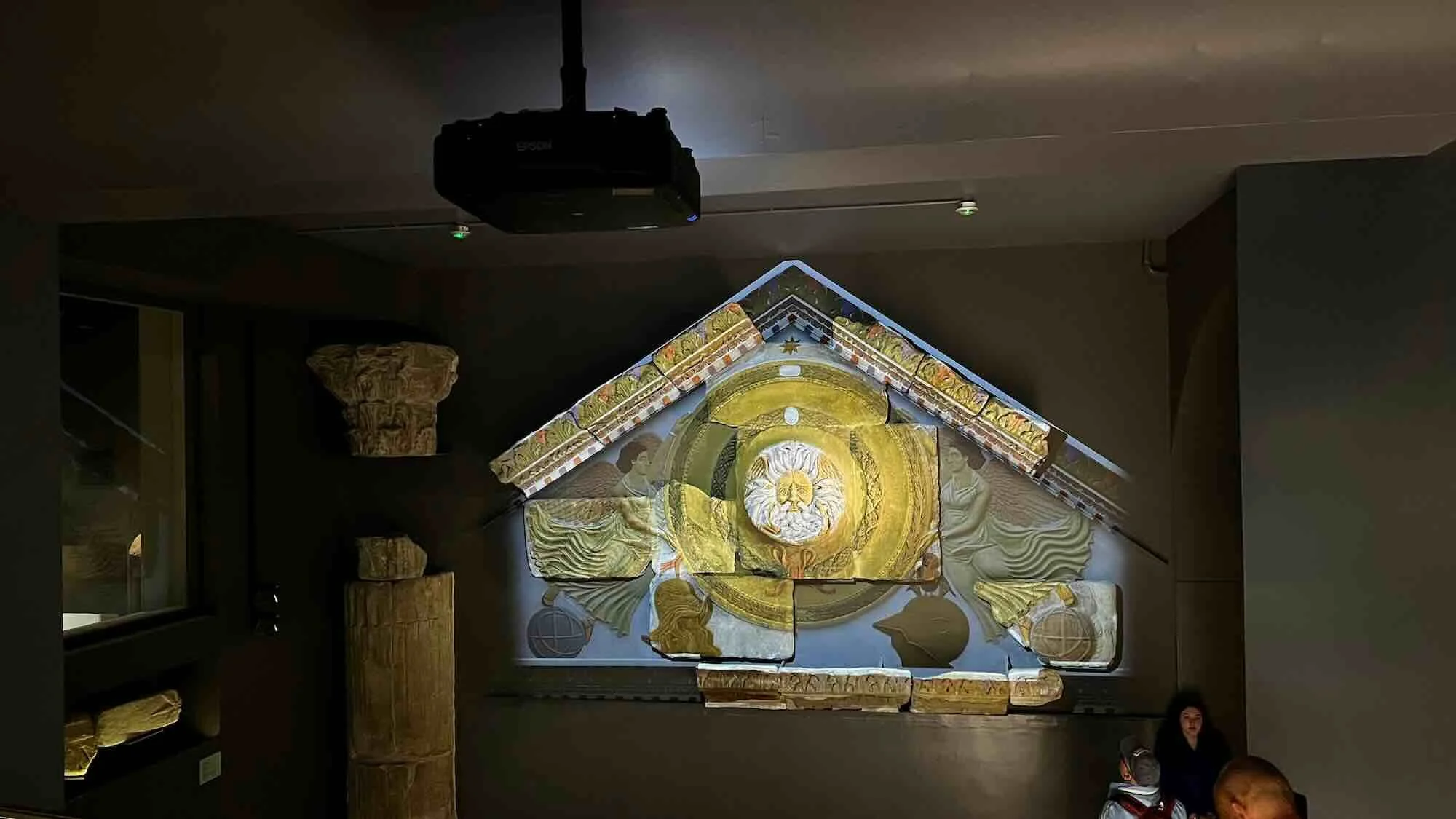
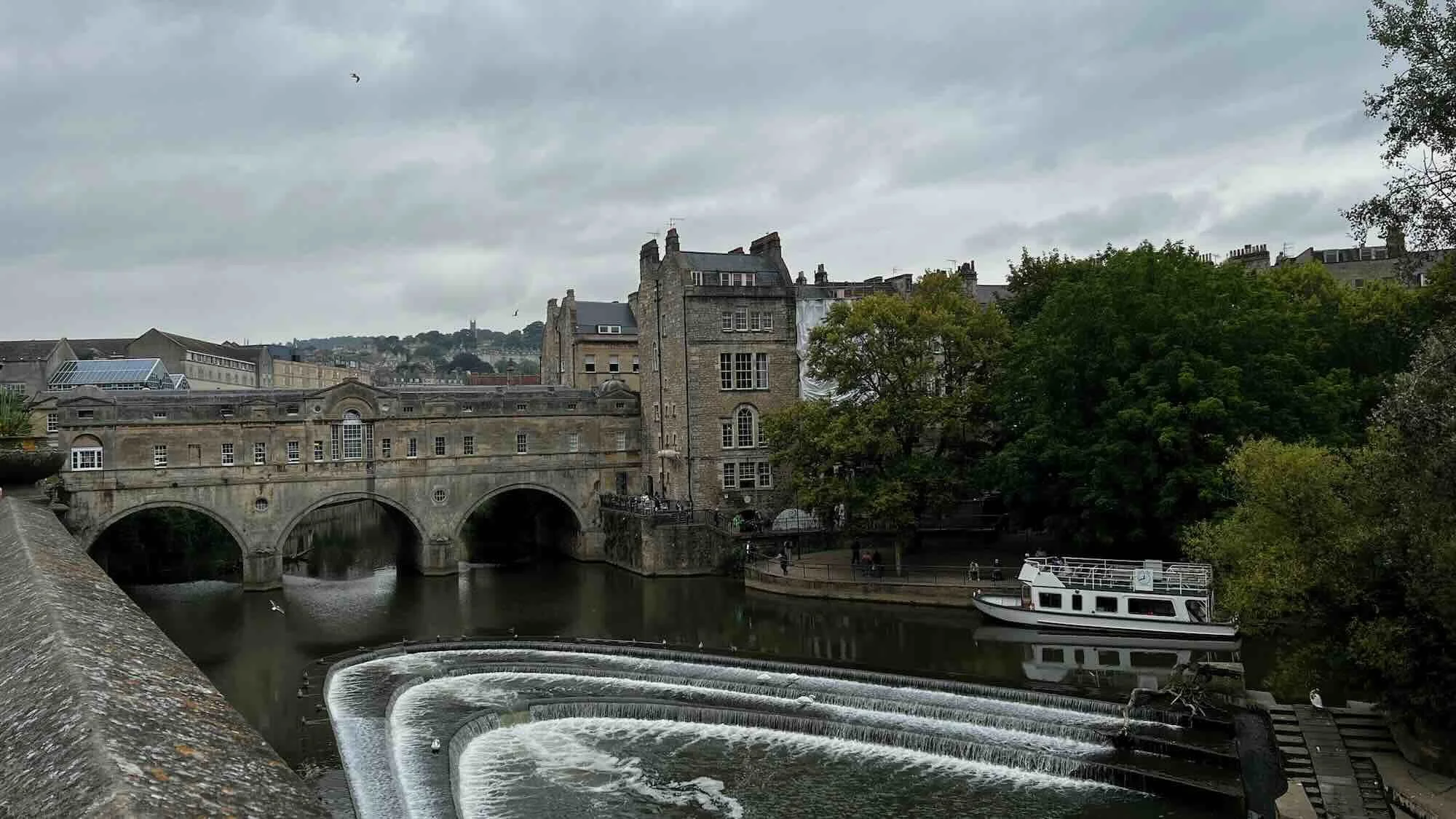
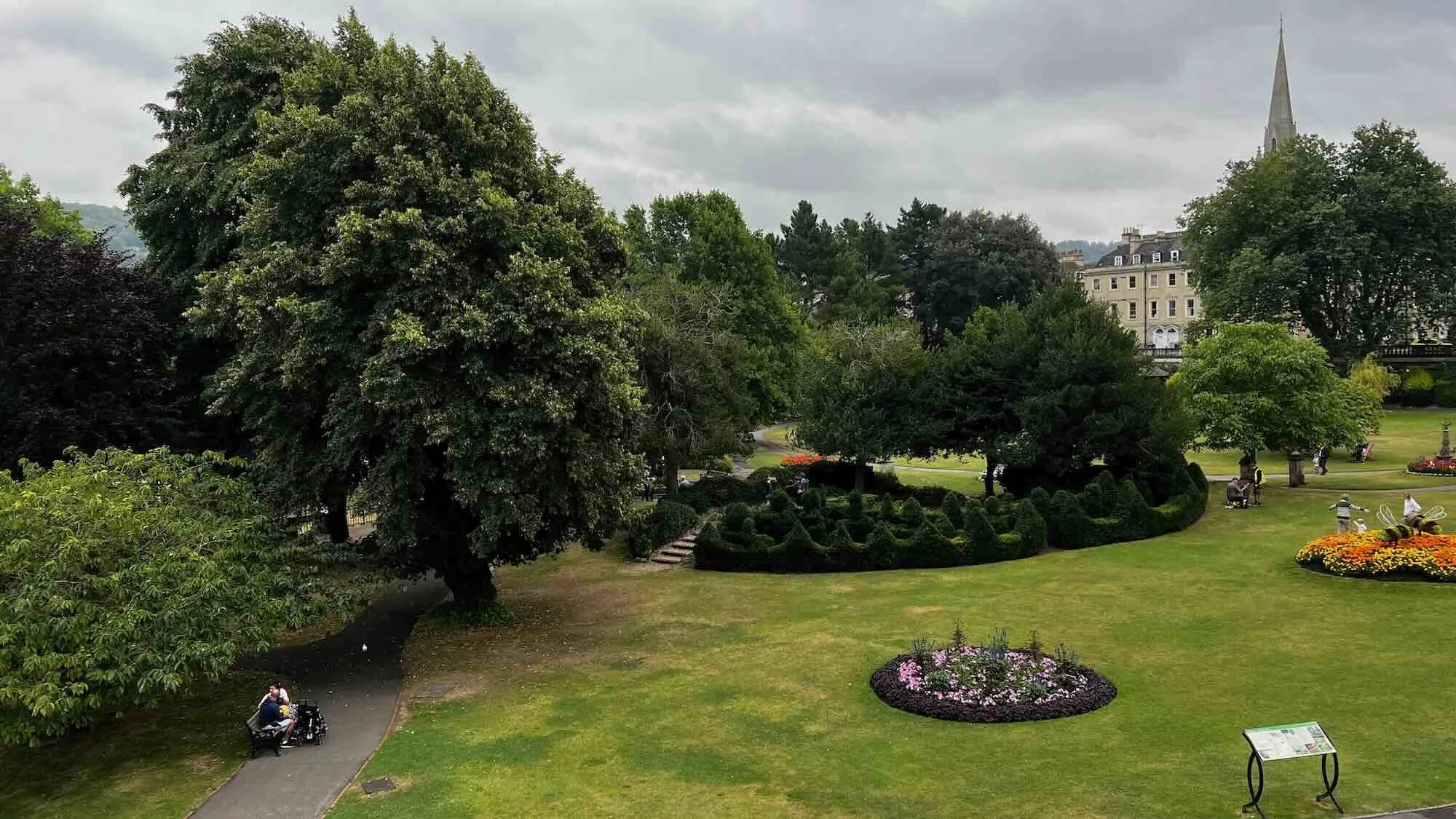
Our final destination was a day spent in the city of Bath, home to the ancient Roman Baths, where the English have been “taking to the waters” for centuries. I thoroughly enjoyed the free audio tour of the Roman Baths; it was one of the best and immersive free audio tours I’ve ever done. So fascinating to learn how the ancient Romans used extreme cold and heat therapy via the hot springs and cold springs, as well as dry rooms built atop fire-heated bricks. At the end of the tour, you’re invited to drink from the hot spring. I also enjoyed the architecture of Pultney Bridge over the River Avon.